Read the latest updates and stories about SorSU’s NSTP programs and activities.
Showcases the service projects and community efforts of NSTP student volunteers.
Highlights SorSU NSTP’s charitable initiatives and outreach programs.
Features NSTP projects supporting the United Nations Sustainable Development Goals.
Meet the dedicated officers and coordinators leading SorSU’s NSTP programs.
Introduction
The Sorsogon State University started offering the National Service Training Program (NSTP) during the first semester of SY 2002-2003. This complied with Republic Act 9163 which was signed into law by Pres. Gloria Arroyo last March 23, 2002, “establishing the National Service Training Program (NSTP) for tertiary level students amending for the purpose Republic Act No. 7077 and Presidential Decree No. 1706…”. Section 10 of the Act provides that the school authorities shall exercise academic and administrative supervision over the design, formulation, adoption, and implementation of the different NSTP components in their respective schools.
NSTP aims to enhance civic consciousness and defense preparedness in the youth by developing the ethics of service and patriotism while undergoing training in any of its three program components: the Reserve Officers Training Corps (ROTC), the Civic Welfare Training Service (CWTS), and the Literacy Training Service (LTS).
Sorsogon State University offers and implements three of the program components of NSTP: the ROTC, CWTS, and LTS. The ROTC provides military training to incoming freshmen students to motivate, train, organize, and mobilize the latter for national defense preparedness. CWTS, on the other hand, refers to activities that contribute to the general welfare and the betterment of life of the members of the community as well as for the enhancement of their facilities, especially those devoted to improving health, education, environment, entrepreneurship, safety, recreation and morale of citizenry and other social welfare services. CWTS serves as an option for incoming freshmen who do not wish to undergo military training and opt for community service. LTS is a program designed to become teachers of literacy and numeracy skills to school children and out-of-school youth.
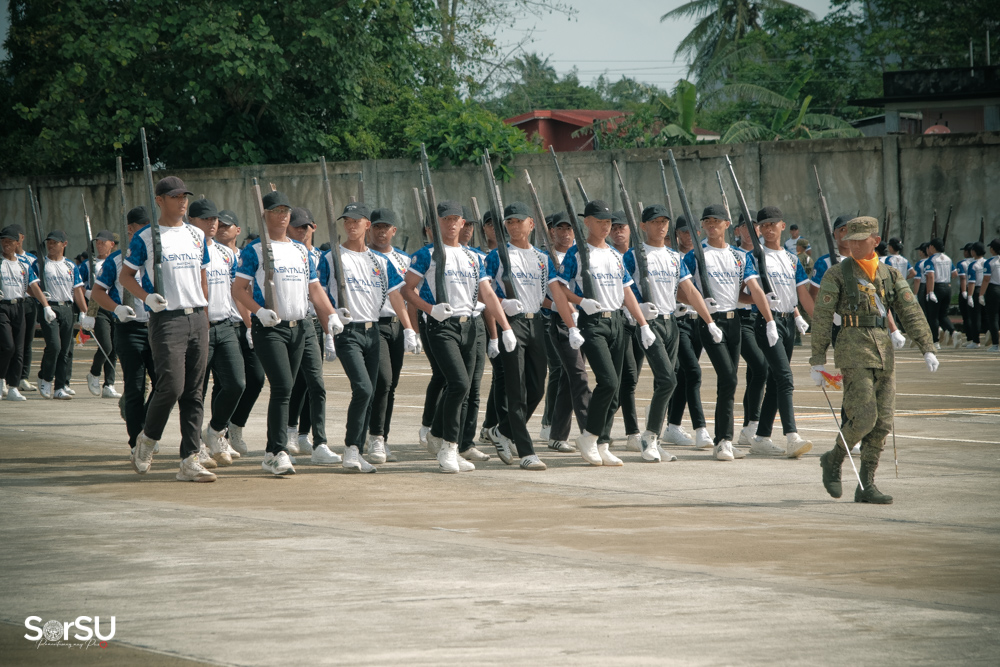
Reserve Officers’ Training Corps (ROTC):
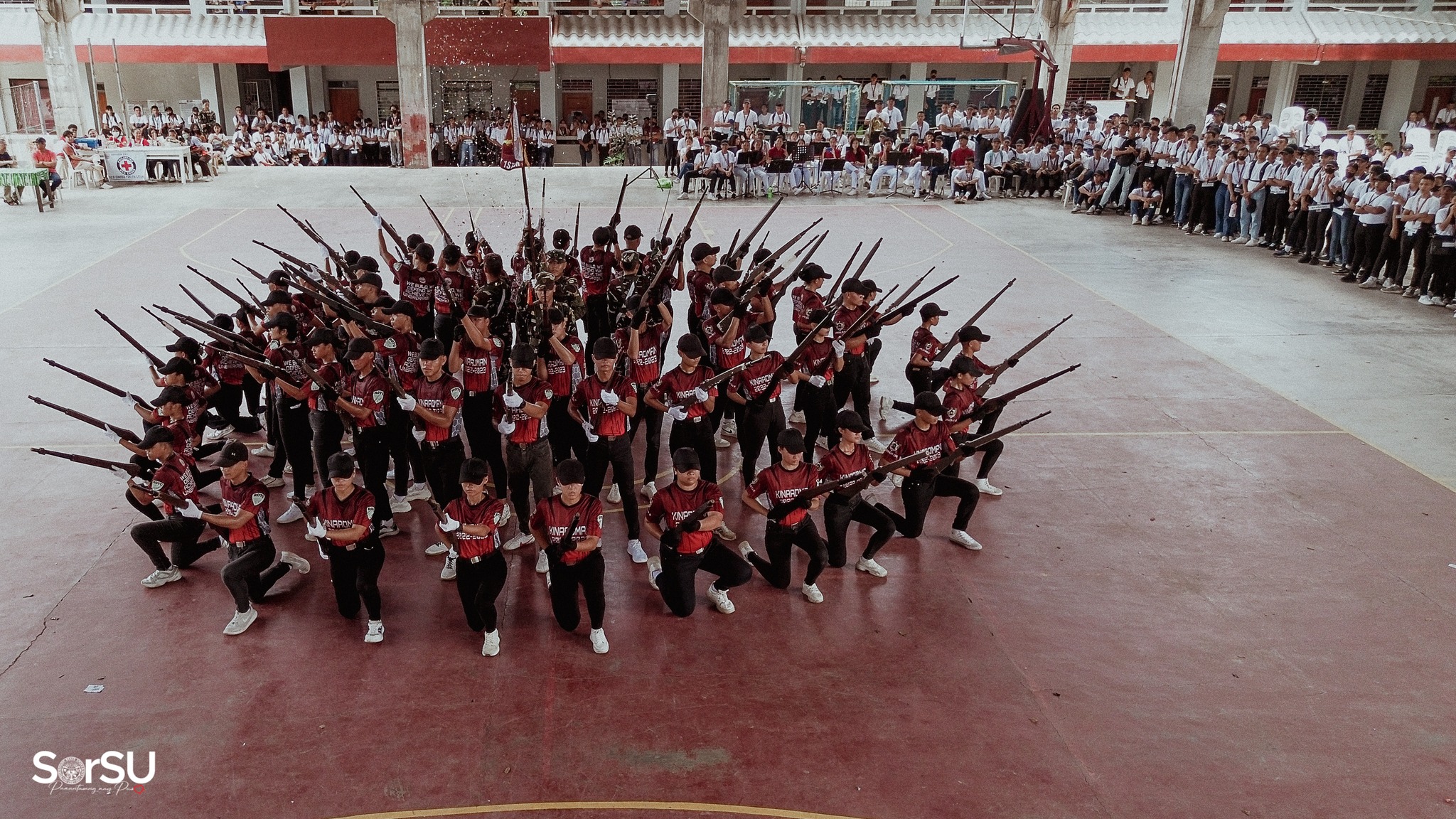
This component focuses on military training and discipline. It aims to develop the students’ leadership skills, physical fitness, and civic consciousness. SorSU’s ROTC program instills discipline and fosters a sense of responsibility among its participants, preparing them for possible future roles in the military or other leadership positions.
–
–
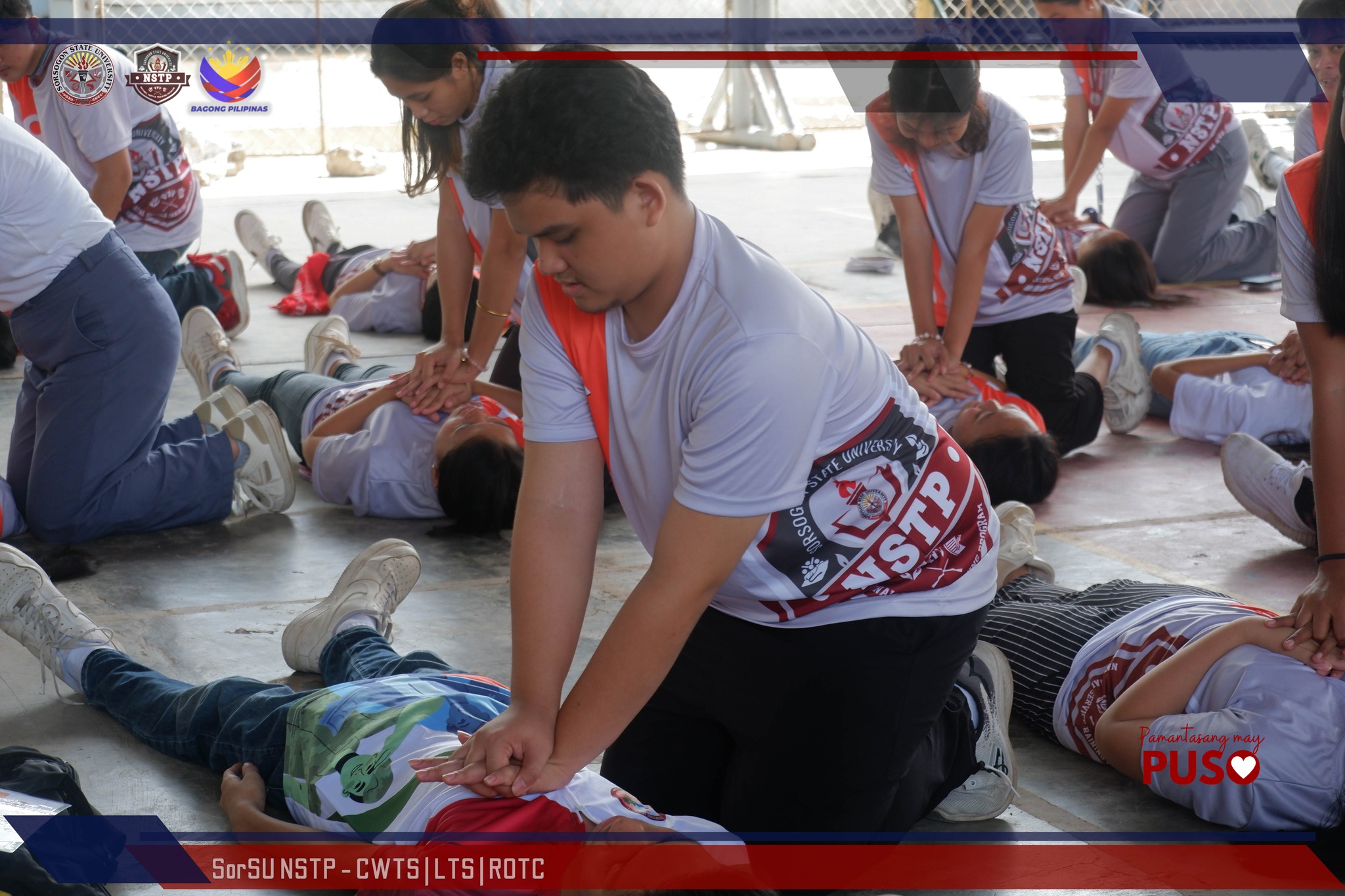
Civic Welfare Training Service (CWTS):
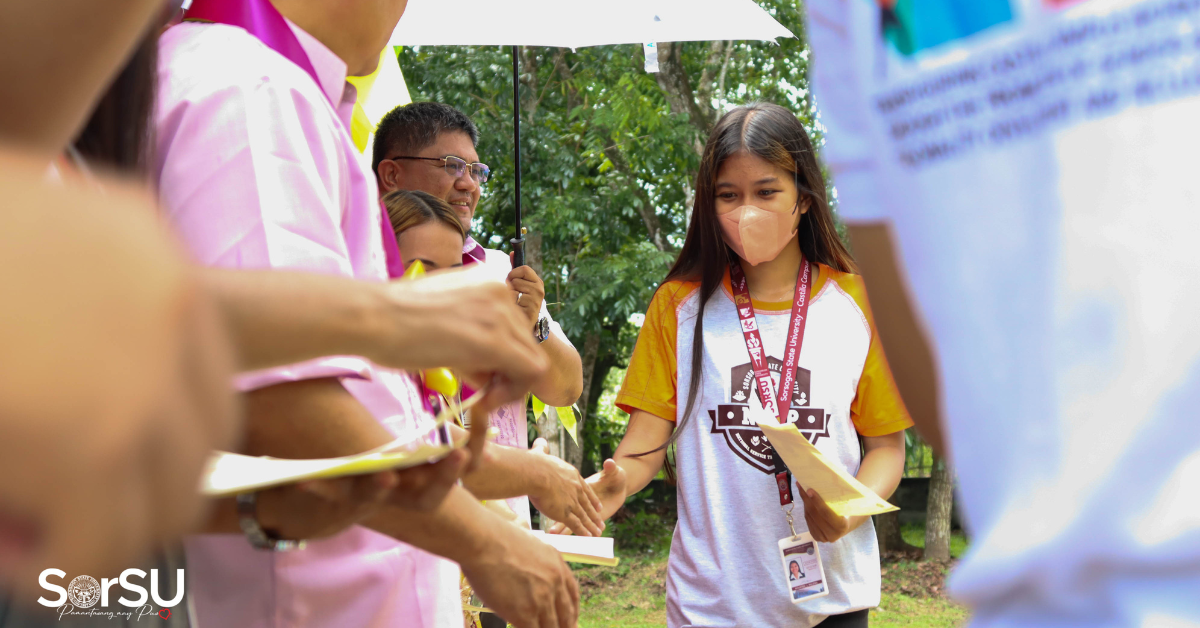
CWTS focuses on community development and social responsibility. Through CWTS, students are involved in various community projects such as environmental conservation, disaster preparedness, health education, and socio-economic empowerment programs. SorSU students actively engage with local communities, addressing their needs and contributing to their overall well-being.
–
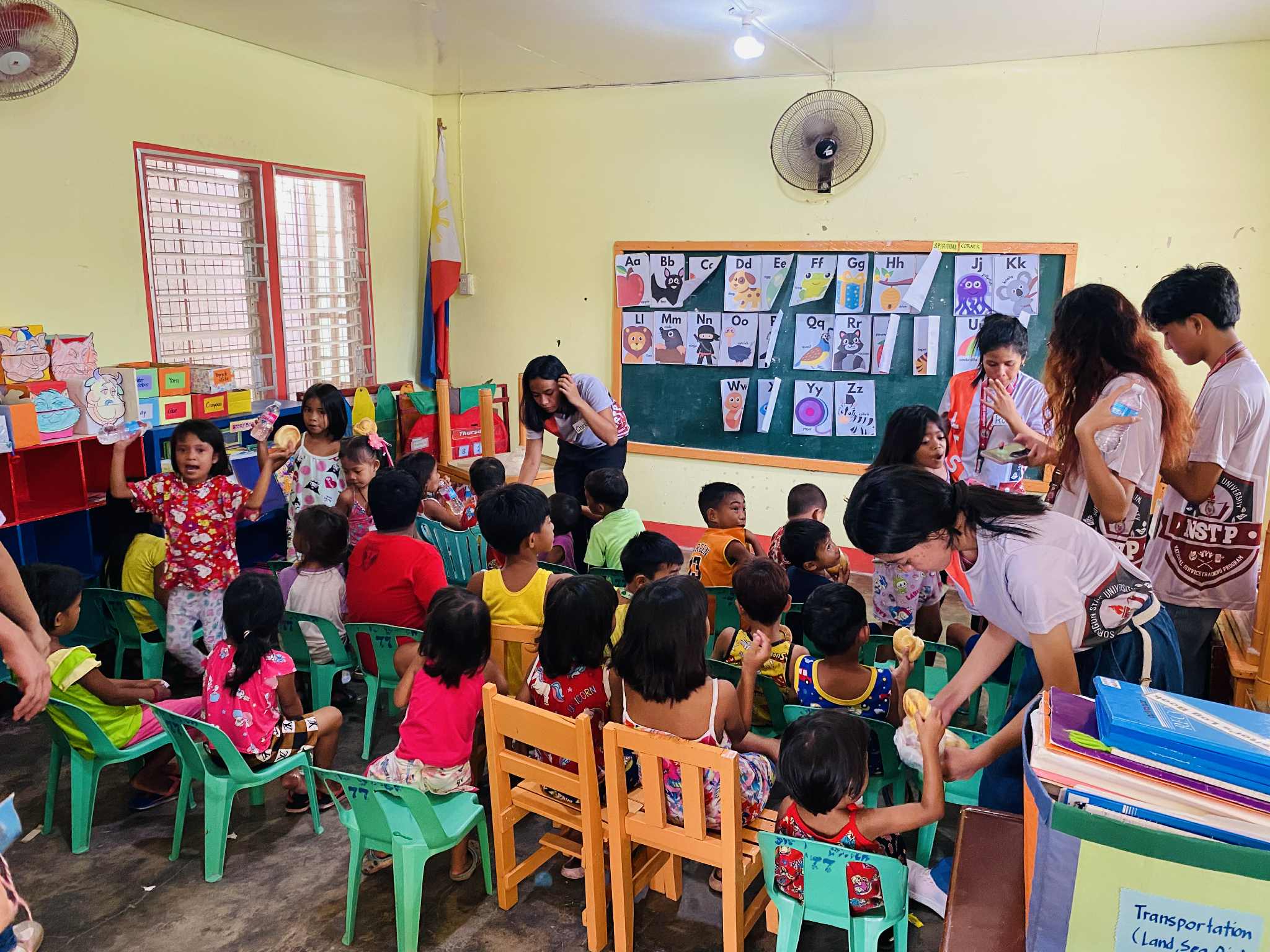
Literacy Training Service (LTS):
LTS aims to enhance the literacy skills of students while addressing community needs. Participants engage in activities such as tutoring, teaching basic literacy and numeracy skills, and conducting educational programs in marginalized communities. SorSU students involved in LTS contribute significantly to improving the educational landscape of Sorsogon through their active participation in various literacy initiatives.
Overview
NSTP VISION
The Sorsogon State University (SorSU), through the National Service Training Program (NSTP), envisions developing and producing valuable, effective, and efficient members of the National Service Reserve Corps and the Citizen Armed Force. They shall serve as advocates for peace, catalysts for positive change, and committed community leaders, dedicated to sustainable community development and positive societal impact.
NSTP MISSION
The SorSU-NSTP is committed to empowering students through community engagement, civic responsibility, and leadership development by providing transformative learning experiences in civic welfare, literacy, and national defense preparedness. It aims to cultivate socially responsible and service-oriented individuals who will actively contribute to nation-building, promote peace, and drive positive change within their communities and beyond.
NSTP Objectives
NSTP generally aims to promote civic consciousness and defense preparedness among the youth by developing the ethics of service and patriotism while undergoing training. (Sec. 3a of NSTP Law).
SPECIFIC OBJECTIVES
A. Conduct a training program of the three (3) NSTP components that will enhance capability for civic consciousness and defense preparedness:
- Familiarize students with the NSTP law, its concepts, legal implications, and its implementation at the university;
- Coordinate and conduct NSTP activities that contribute to the general welfare and betterment of life for the members of the community and enhancement of facilities, especially those that are devoted to health, education, environment, entrepreneurship, safety, recreation, and morals of the citizenry ( Sec 3, RA 9163);
- Conduct literacy training for students to be teachers of literacy and numeracy skills for children, out of school youth, adults and other segments of society in need of service ( Sec 3, RA 9163);
- Conduct military training to motivate, train, organize and mobilize them for national preparedness. ( Sec 3, RA 9163)
- Develop and promote the physical, moral, spiritual, intellectual, and social well-being of the youth;
- Train and develop the youth as potential leaders of the community;
- Develop civic consciousness and good citizenship among the youth;
- Inculcate among the students the ideals of patriotism and nationalism and enhance their involvement in public and civic-oriented activities;
- Produce service-oriented and responsive students who will be of help to the locality/community;
B. Train faculty to handle the training and operation of the program imbued with moral values that will enhance the intellectual, physical, moral, spiritual, and social well-being of the students.
C. Establish a functional NSTP office that will cater to the needs of the students and proper implementation of the program;
NSTP CORE VALUES
The SorSU-NSTP promotes the ideals of the core values found in the Preamble of the 1987 Philippines Constitution. Core values are further defined by the specific values. The following are the values that guide implementation of the program:
PAGKAMAKA-DIYOS
Faith in the Almighty
Respect for life
Order
Work
Concern for the family and future generation
PAGKAMAKA-BANSA
Unity
Equality
Respect for law and the government
Patriotism
Promotion of the common good
PAGKAMAKA-TAO
Love
Freedom
Peace
Truth
Justice
PAGKAMAKA-KALIKASAN
Concern for the environment
Role of NSTP
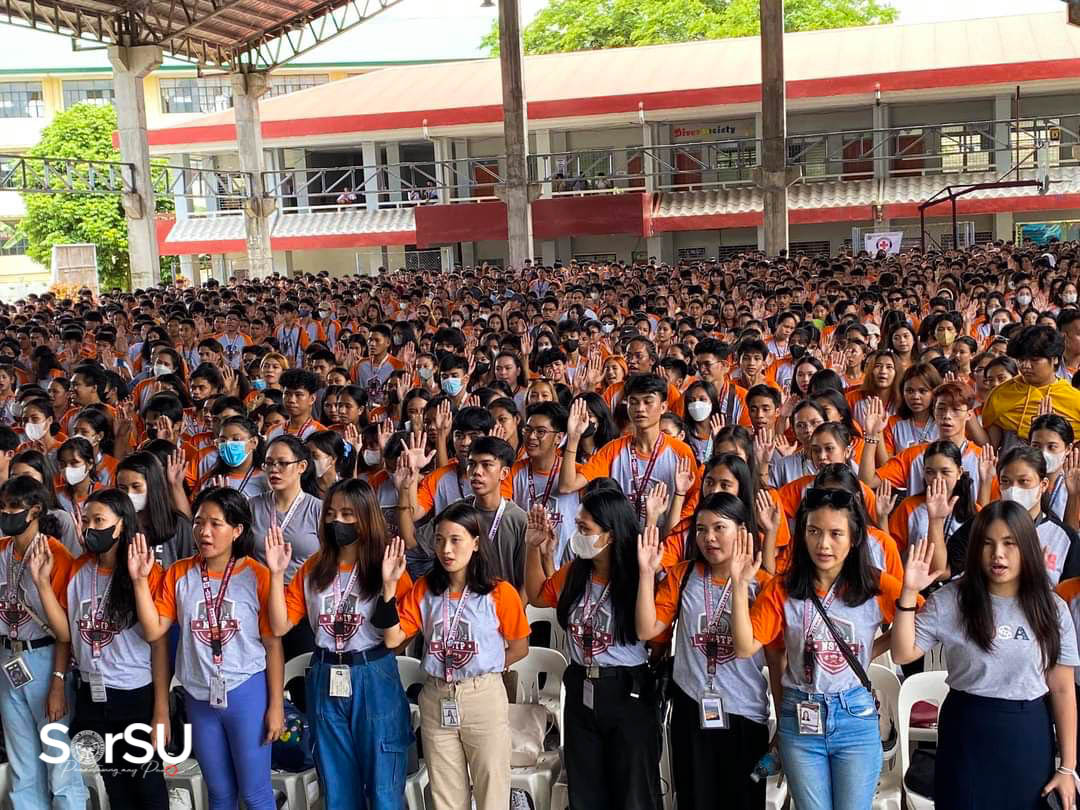
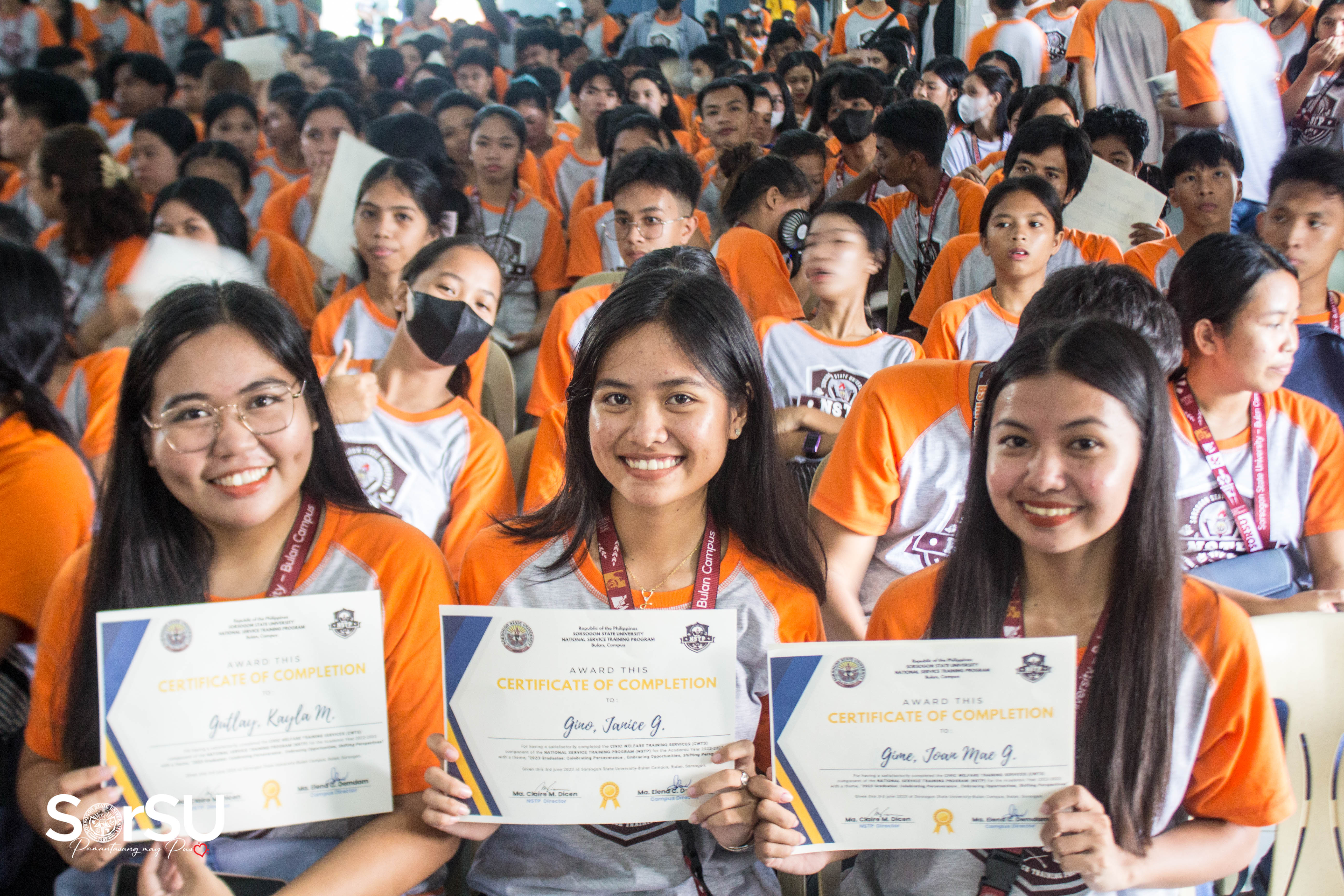
The National Service Training Program (NSTP) is a vital component of the tertiary education system, specifically aimed at first-year college students. The program cultivates a service-oriented mindset, fostering student civic responsibility and community involvement. The NSTP emphasizes reinforcing essential values and ideals that contribute to nation-building through structured classroom instruction and practical application.
Over two semesters, students embark on an enriching and transformative learning journey designed to cultivate their roles as proactive and socially responsible citizens. The program offers a balanced and comprehensive approach by combining in-depth theoretical lectures with dynamic, hands-on training. This dual approach ensures that students not only acquire essential knowledge, but also refine the practical skills needed to effectively contribute to their communities.
Throughout the program, students are actively engaged in meaningful community service initiatives, which serve as a platform for real-world application of the concepts learned in class. This immersion fosters a deep understanding of societal challenges and empowers students to take ownership of their role in addressing them.
By the end of the program, graduates of the National Service Training Program (NSTP) are equipped with the competencies and mindset to drive positive change within their local communities. They are expected to become influential advocates for civic duty, social responsibility, and community empowerment, playing a pivotal role in the sustainable development and progress of their neighborhoods. Through this comprehensive educational experience, NSTP graduates not only enhance their personal growth but also contribute to a collective effort toward building stronger, more resilient communities
The three program components of the Program are:
- Reserve Officers’ Training Corps (ROTC), which is designed to provide military training to tertiary level to motivate, train, organize, and mobilize students for national defense preparedness;
1.1 Military Science 1, which includes military indoctrination with humans, combat training for the Individual Soldier, individual protective measures, basic weapon training, marksmanship training, drills and ceremonies. (ROTC POl);
1.2. Military Science 2, which includes general military operations, small unit tactics, individual unit training, crew served weapons, familiarization firing, educational tour, and drill ceremonies (ROTC POl);
1.3. Advance Cadet Officer Training Program (MS 31 and MS 32, MS 41 and MS 42) RSCT (ROTC Summer Camp training) ARAPT (Advance ROTC Academic Phase Training).
- Literacy Training Service (LTS), which is designed to train the students to teach literacy and numeracy skills to children, out-of-school youth, and other segments of society in need of their service; and
- Civic Welfare Training Service (CWTS), which refers to activities that contribute to the general welfare and the betterment of life for the members of the community or the enhancement of its facilities especially those devoted to improving health, education, environment, entrepreneurship, safety, recreation and moral of the citizenry and other social welfare services.
3.1 CWTS Dimensions
3.1.1 Leadership and Morals of Citizenry This area involves the development of youth to be good leaders, responsible individuals imbued with good morals and active agent of development of the community;
3.1.2 Health This area aims to provide knowledge on medical-related fields and extend health services needed in the community. It includes specifically medical services like disaster management, first-aid operation, vaccination. info-dissemination on health. nutrition, technical assistance, and training of youth to be first aid assistants;
3.1.3 Safety Services. This area includes the knowledge and skills in keeping oneself and others safe. It helps increase awareness about the possible decisions and actions. It helps equip the trainees to deal with a range of hazards in the different living areas and allows people to make appropriate decisions and actions.
3.1.4. Environmental Services This area teaches about environmental awareness and its contribution to health and related fields. It involves management of waste, environmental protection, dissemination and application of technologies supportive of the community needs and livelihood activities related to the environment and other related fields supportive of the national thrusts;
3.1.5. Education This area involves the enhancement of institutional support materials and facilities for the community and school, such as providing materials containing laws, ordinances, rules, and regulations and extended services of skilled students;
3.1.6. Entrepreneurship/Livelihood This area includes programs and activities that are vital to economic growth; 3.1.7. Recreation This area involves sports, music, games, and other worthwhile activities that enrich youth’s capacity to relate to one another in the community (Sec. 3, R.A. 9163).
The thrusts of NSTP as implemented at Sorsogon State University are as follows:
1. Numeracy and Literacy Training
2. Citizenship Training
3. Environmental Protection
4. Drug Education
5. Disaster Risk Reduction and Management
6. National Security
7. Leadership Training and Team-building
8. Community Development and Volunteerism
To ensure the effective implementation of the programs and projects in accordance with its objectives, the university has devised the following strategies:
Development of relevant NSTP Programs
Develop and implement relevant programs through seminars, workshops, training, and information dissemination aligned with the NSTP field of operation. These shall particularly focus on leadership and values formation, health, environmental protection, livelihood, education, safety, as well as drug and crime prevention for both students and the community;
and Take the lead in identifying, initiating, designing, packaging, and promoting programs and activities relevant to the objectives of NSTP.
Capacity building for both implementers and students
Relevant upgrading programs to enhance the capabilities of NSTP Trainers, staff, and students are required to enrich the program. It involves activities that improve the competencies of the NSTP Trainers, students, and student leaders, such as Health, Environment, Education, livelihood, Socio-cultural, and arts, particularly in leadership and management of ROTC, CWTS, and LTS programs. The following must be given importance:
– Opportunities for enhancement program in the NSTP component
– Training – seminar workshops that will improve NSTP program components;
– Symposia, conferences, etc. for the acquisition of knowledge and skills in managing the NSTP program component; and
– Fellowship for NSTP Trainers and other professional undertakings.
Assist/Adopt a community and provide activities to empower and enable sustainability and self-sufficiency;
Linkaging and Networking
The university must establish and maintain active linkages and partnerships with development institutions, government agencies, and other relevant organizations to collaborate on joint NSTP initiatives and projects.
The NSTP Office will work closely with the SorSU-Disaster Risk Reduction and Management Office and local Disaster Risk Reduction and Management Offices. This will empower students to actively participate in community-based disaster preparedness and response efforts.
Evaluation and Monitoring
Continuous improvement through regular monitoring and evaluation will be instituted to assess the effectiveness and efficiency of NSTP programs.
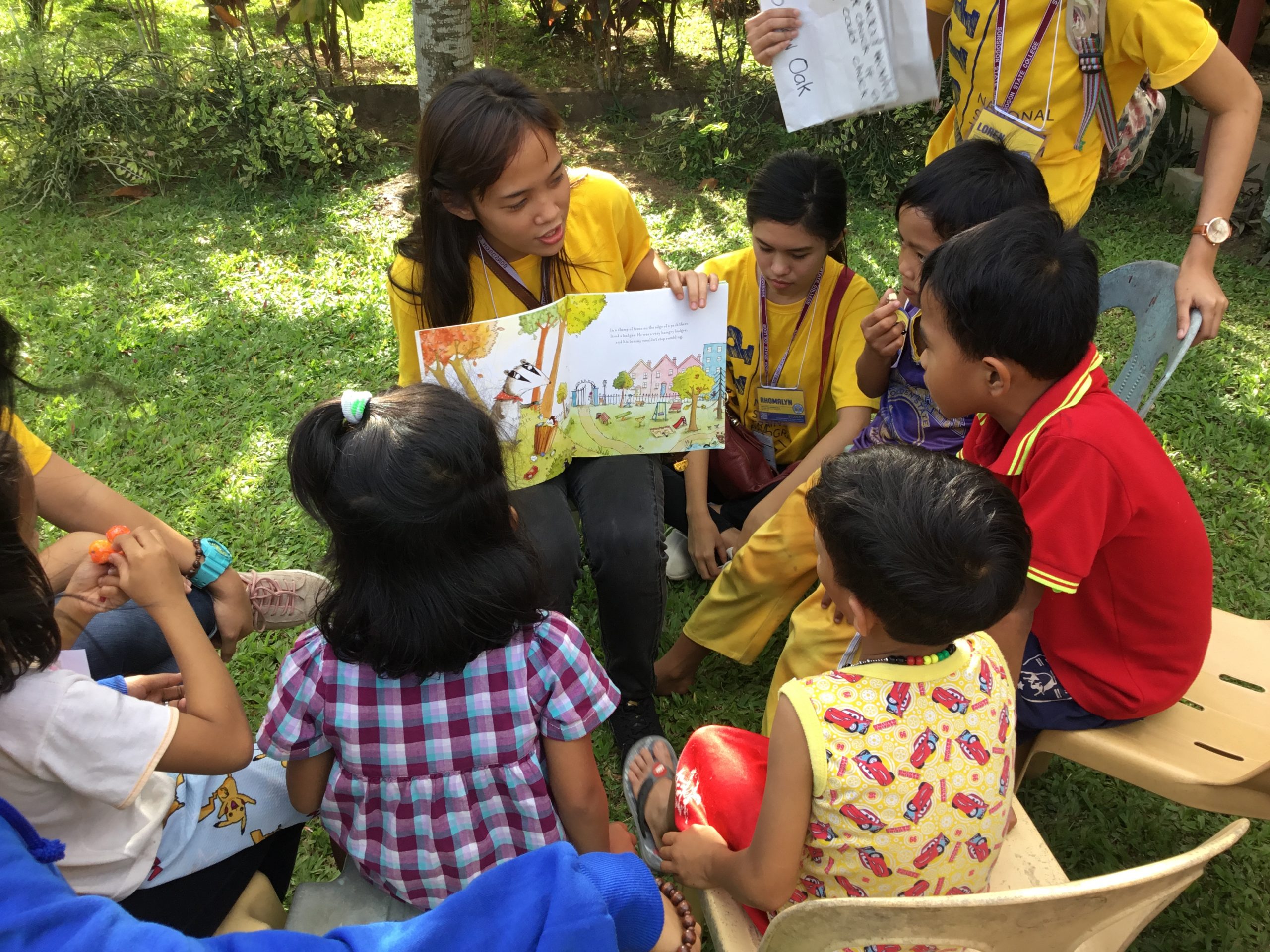
Literacy Program
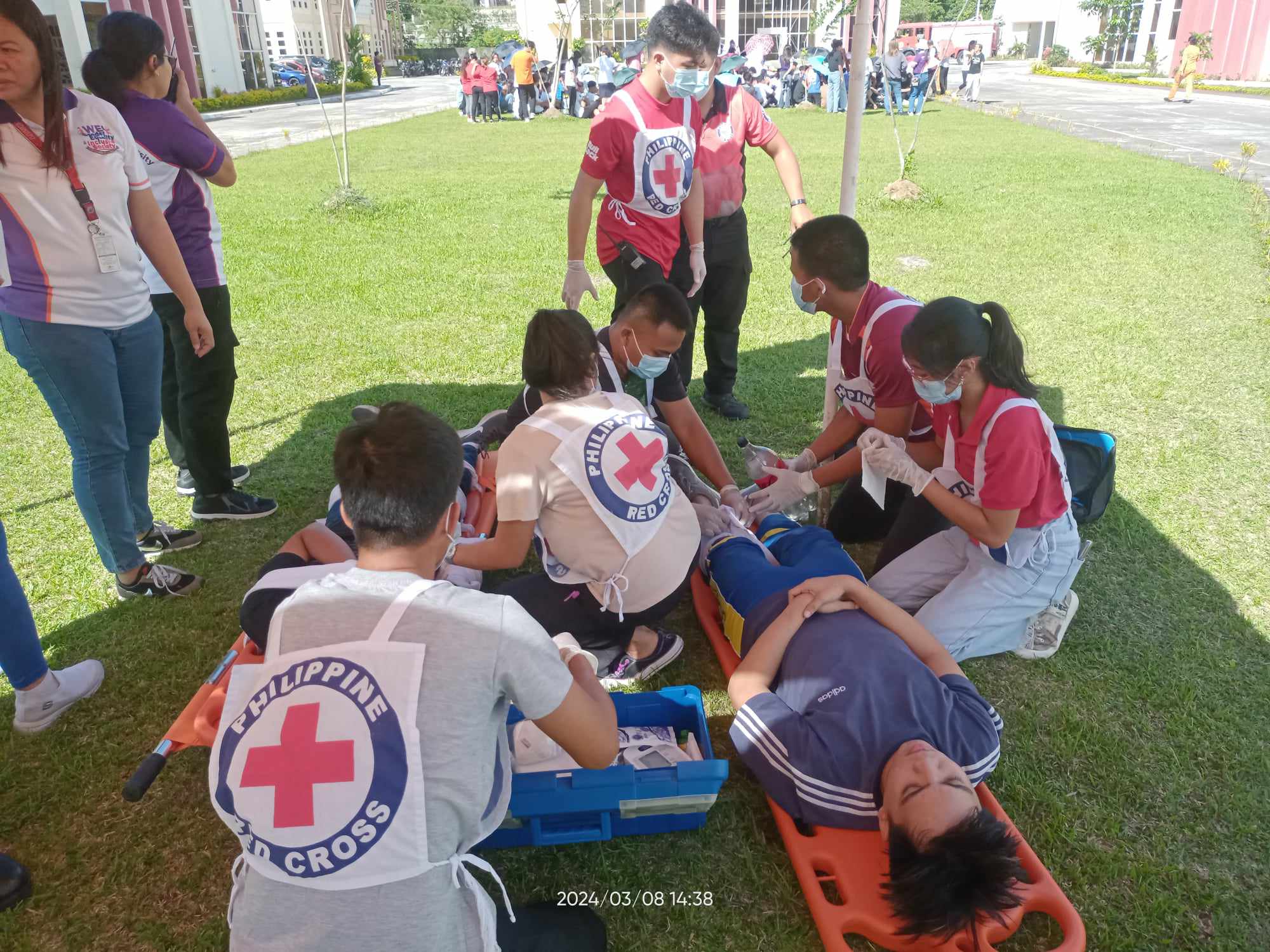
Community-Based Disaster Risk Reduction Management
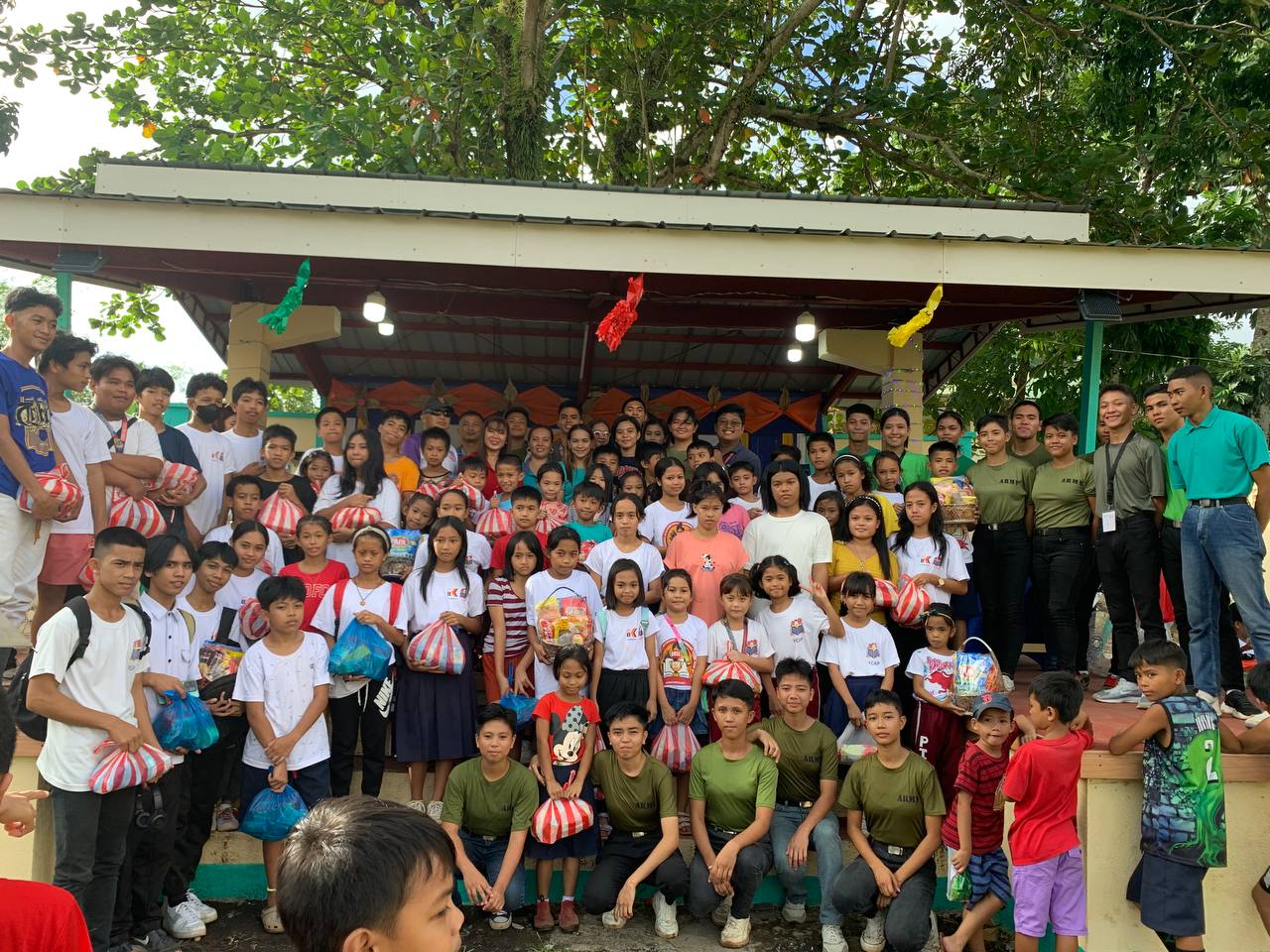
Socio-Economic Development
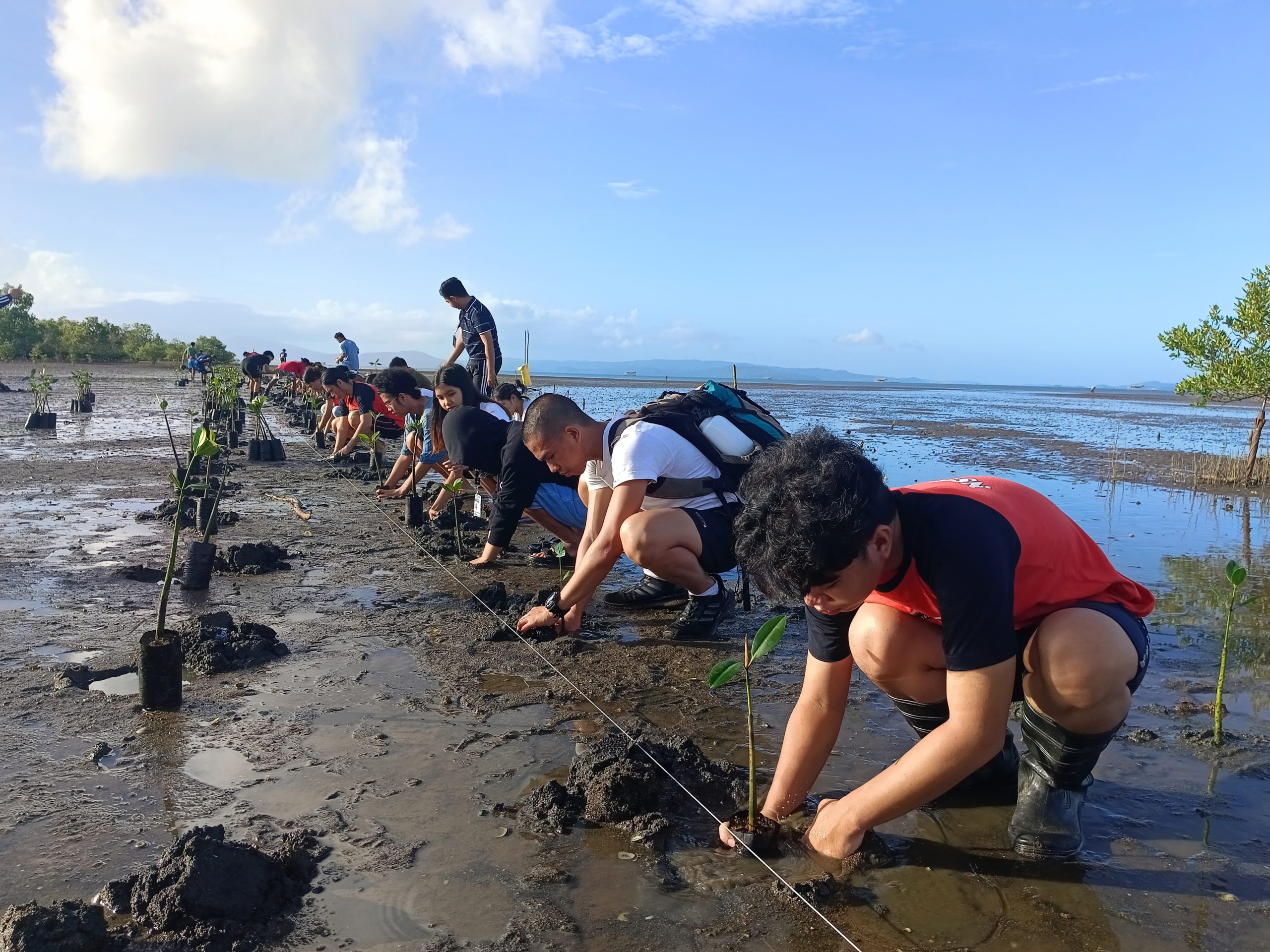
Environmental Protection
SorSU KAAGAPAY NSTP Volunteers
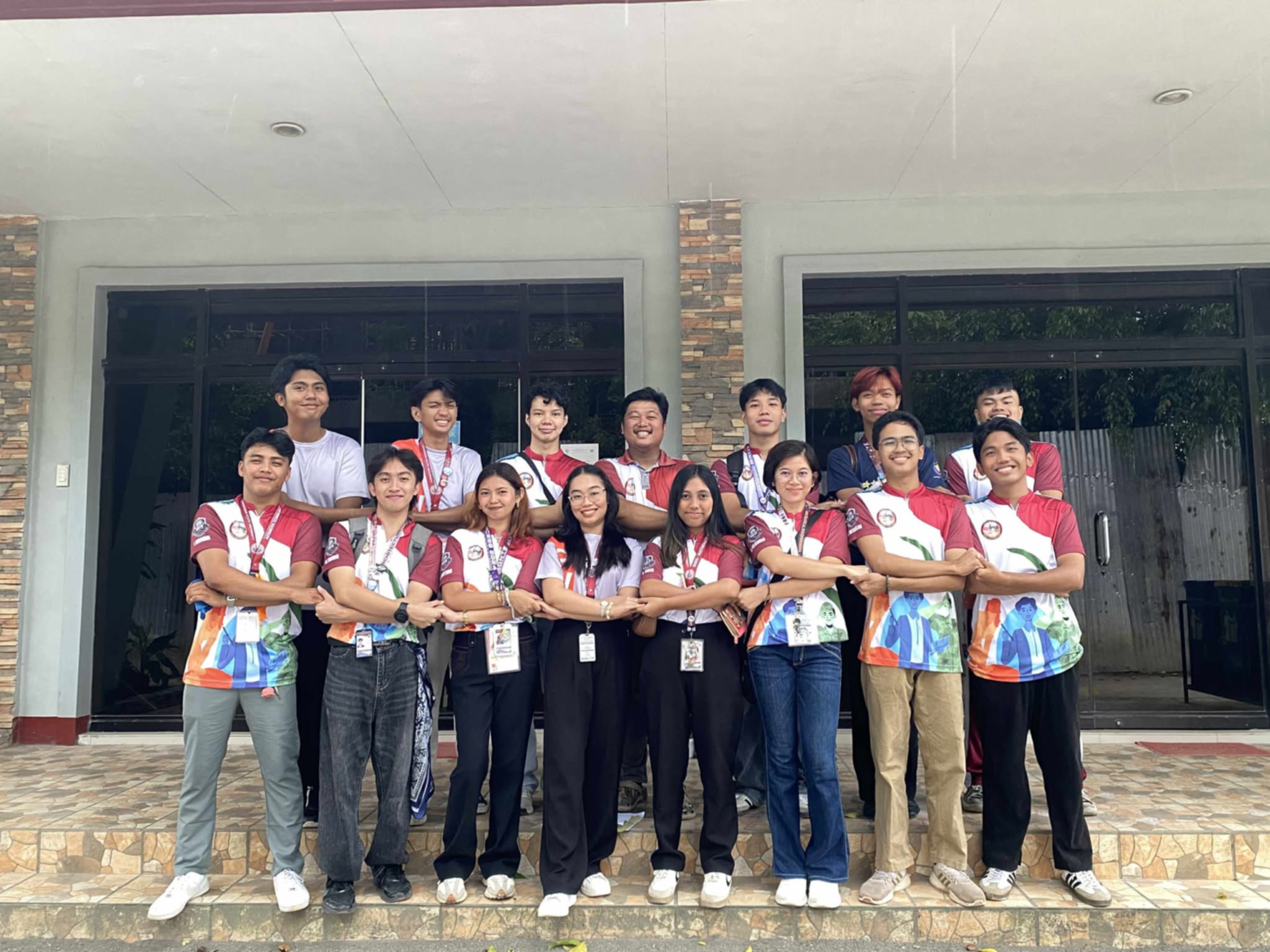
The Student Organization of NSTP, officially known as the KAAGAPAY NSTP Volunteers Organization, serves as the recognized volunteer arm of the NSTP Office. As such, all activities initiated, organized, and implemented by this organization shall be considered official NSTP Office activities. This partnership aims to strengthen student engagement in community service, leadership development, and nation-building efforts, in alignment with the core values and objectives of the NSTP program. Through collaborative initiatives, the organization will play a crucial role in fostering volunteerism, civic responsibility, and active participation among students, further enhancing the impact of NSTP in both the academic institution and the community.
SorSU KAAGAPAY FB PAGE:
BULAN Campus
CASTILLA Campus
MAGALLANES Campus
SORSOGON CITY Campus
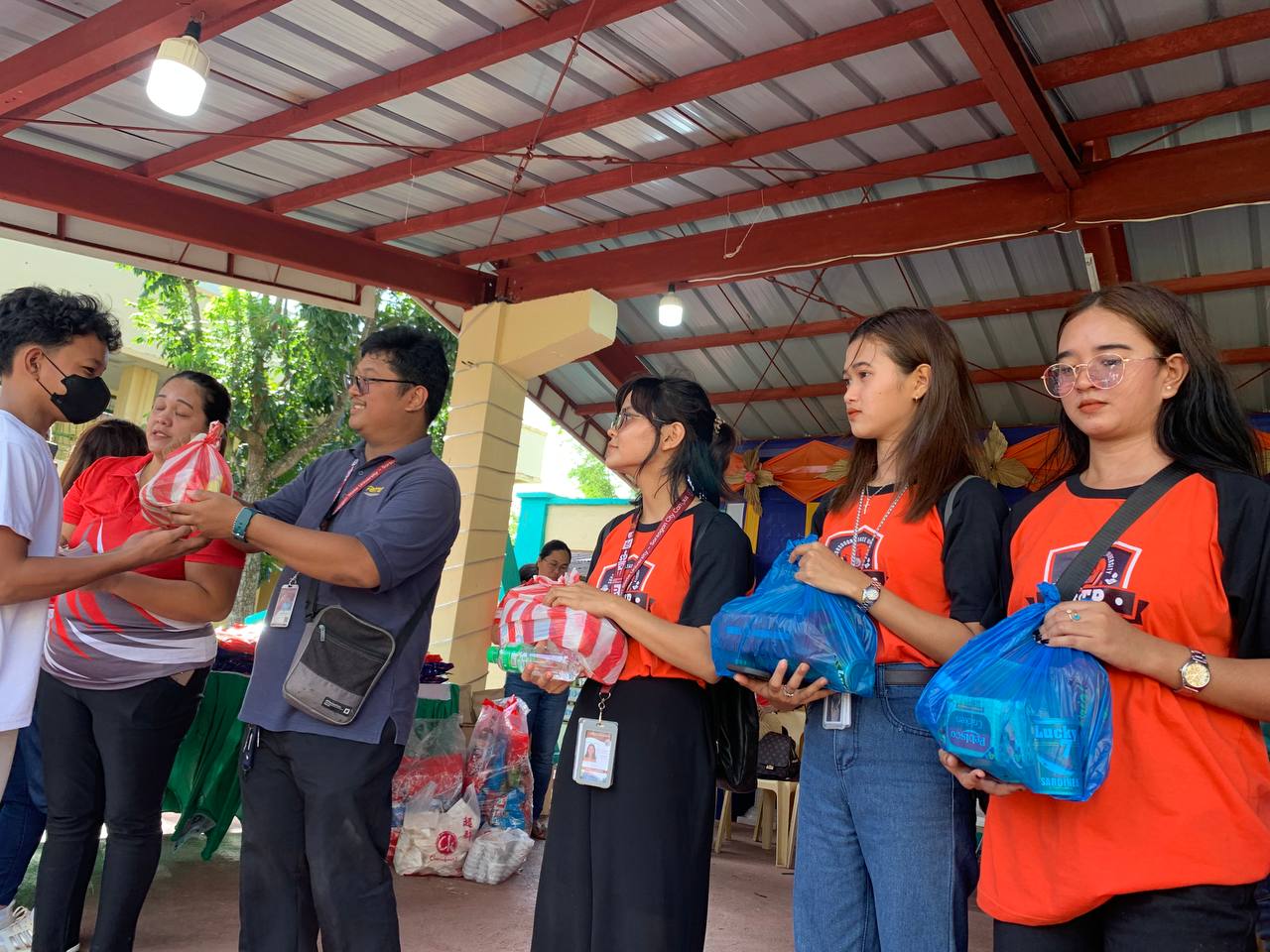
Under the National Service Training Program (NSTP) umbrella, the SorSU Kaagapay serves as a platform for SorSU students to actively engage with marginalized communities, offering support, assistance, and companionship to those in need. Through a range of community-based initiatives and projects, Kaagapay empowers students to make meaningful contributions to society while honing their leadership skills and fostering a sense of empathy and compassion.
One of the key pillars of NSTP Kaagapay is its focus on inclusive development. By prioritizing the needs of marginalized and underserved communities, Kaagapay endeavors to create a more equitable and inclusive society where everyone has access to opportunities for growth and advancement. Through various outreach programs and socio-economic projects, Kaagapay strives to uplift communities, enhance their resilience, and promote sustainable development.
Additionally, NSTP Kaagapay emphasizes the importance of cultural sensitivity and mutual respect in all its endeavors. By embracing diversity and celebrating the rich tapestry of Filipino culture, Kaagapay fosters an environment of understanding and acceptance, transcending barriers and building bridges of solidarity within the community.
Moreover, NSTP Kaagapay serves as a catalyst for personal transformation and social change. By immersing themselves in real-world challenges and working alongside community members, students develop empathy, critical thinking, and problem-solving skills that are essential for effective leadership and civic engagement. Through experiential learning and hands-on experiences, Kaagapay empowers students to become agents of positive change in their communities and beyond.
In essence, NSTP Kaagapay embodies the spirit of bayanihan, where individuals come together as allies and partners to address pressing social issues and create a brighter future for all. Through its unwavering commitment to service, solidarity, and social justice, Kaagapay inspires hope, fosters resilience, and cultivates a culture of compassion and cooperation that transcends boundaries and transforms lives.

FEATURED VIDEO: NSTP REFLECTIONS
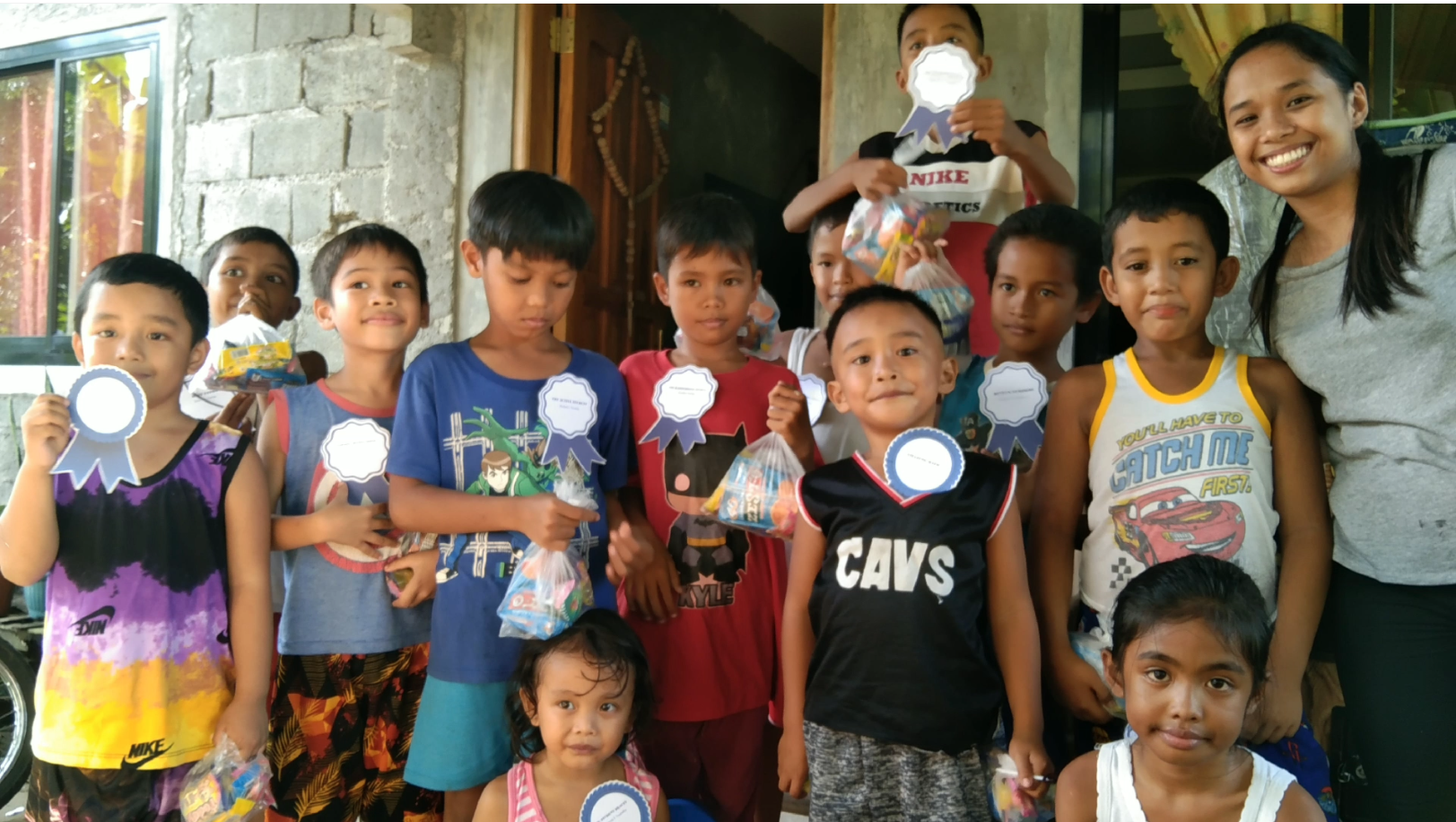
Watch Ms. Amara Esller’s Literacy Training Service Journey through this short video, featuring her efforts to her community during the onset of the COVID-19 pandemic.
Contact us:

Prof. Mary Rose B. Lacdang
Director, NSTP
Email:[email protected]
NSTP SOCIAL MEDIA
Sorsogon City Campus: https://www.facebook.com/SorsogonStateUniversityNSTPMainCampus
Bulan Campus: https://www.facebook.com/profile.php?id=100086940173501
Sorsogon State University – ROTC Unit: https://www.facebook.com/SorSUROTCU
KAAGAPAY SOCIAL MEDIA
SorSU Kaagapay (NSTP Organization) – Sorsogon City Campus:
https://www.facebook.com/profile.php?id=100087044927672
SorSU Kaagapay (NSTP Organization) – Castilla Campus:
https://www.facebook.com/nstpkaagapayssucc