

As Presented During the Monthly Regular Meeting – April 8, 2025
In pursuit of its commitment to environmental stewardship and the principles outlined in the United Nations Sustainable Development Goals (SDGs), Sorsogon State University (SorSU), through its Environmental Sustainability Management Committee (ESMC), has actively initiated, monitored, and implemented sustainability programs across its campuses. The Committee continues to serve as a leading body in facilitating ecologically sound policies, awareness campaigns, and action-based initiatives, in partnership with internal and external stakeholders. This report summarizes the key accomplishments from the past months, covering seven major areas of intervention that illustrate SorSU’s growing efforts in cultivating a greener and more sustainable academic environment.
1. Food Concessionaires’ Inspection
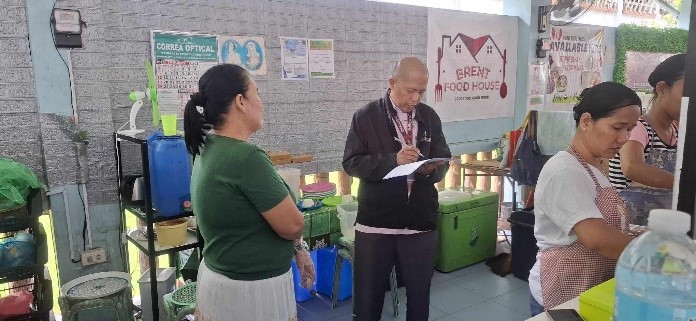
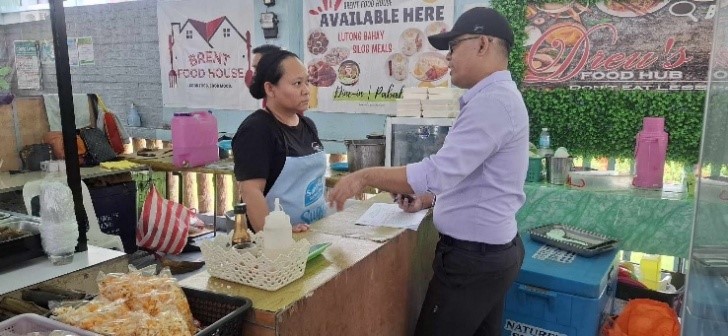
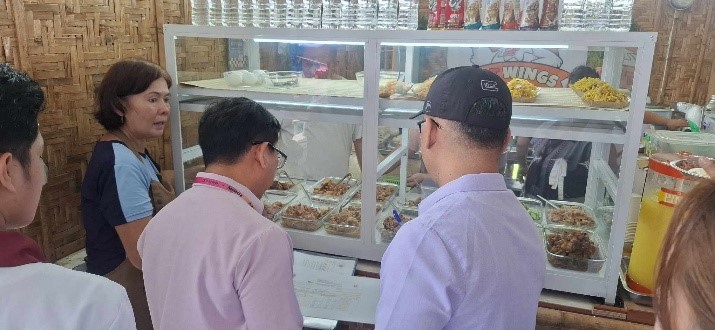
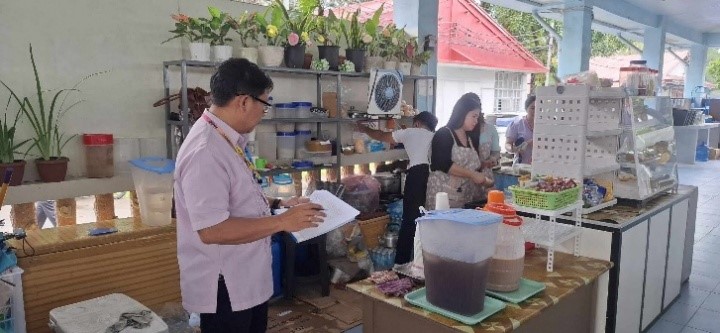
On February 11, 2025, the ESMC, in coordination with relevant campus offices, conducted a surprise inspection of all food concessionaires and canteen facilities. The inspection assessed adherence to sustainability standards, including reduced use of single-use plastics, proper sanitation, waste management, pest control, and compliance with government licensing. Encouragingly, many vendors have begun adopting biodegradable alternatives, and there is growing awareness of waste segregation practices. A follow-up dialogue on March 28, 2025, reinforced compliance and aligned efforts among the Production Director’s Office, Campus Director, Disaster Risk Reduction Management Office, and Security Office, signaling institutional support for long-term sustainable food service operations.
2. Inter-Campus Visit and Dialogue
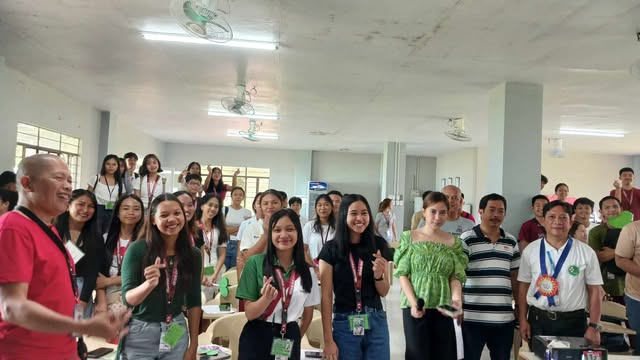
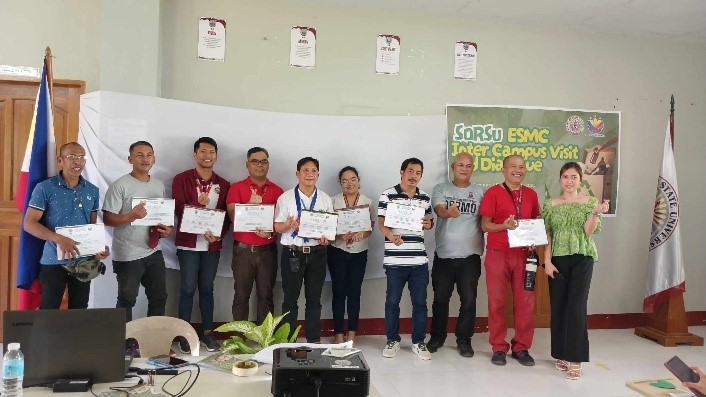
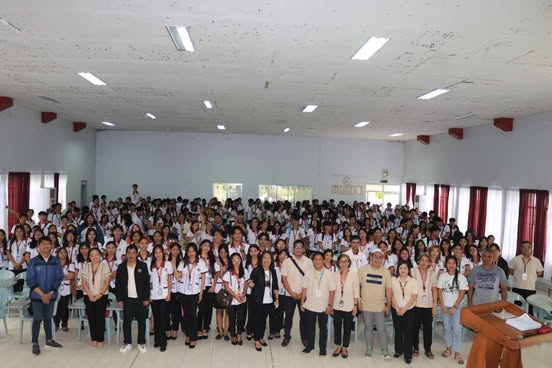
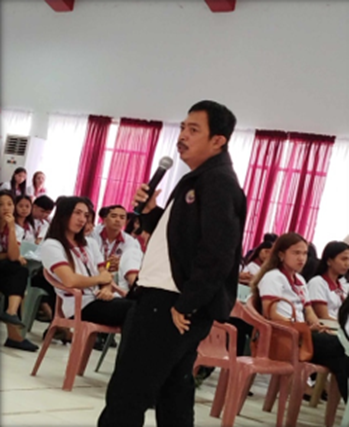
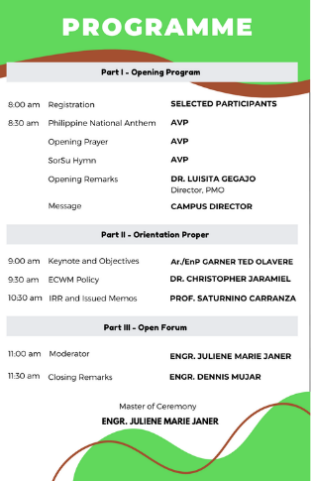
To mainstream solid waste management across all university sites, the ESMC conducted a visit to SorSU’s Bulan, Magallanes, and Castilla campuses on February 13–14, 2025. The activity fostered campus-based discussions on responsible waste practices and promoted alignment with global environmental goals. The event was joined by students, faculty, local government representatives, and barangay officials, leading to fruitful exchanges and policy integrations. Of particular note was Castilla Campus, which has already formulated a draft environmental policy, demonstrating proactive engagement in localizing university-wide sustainability strategies.
3. Monthly Campus Clean-Up Drive
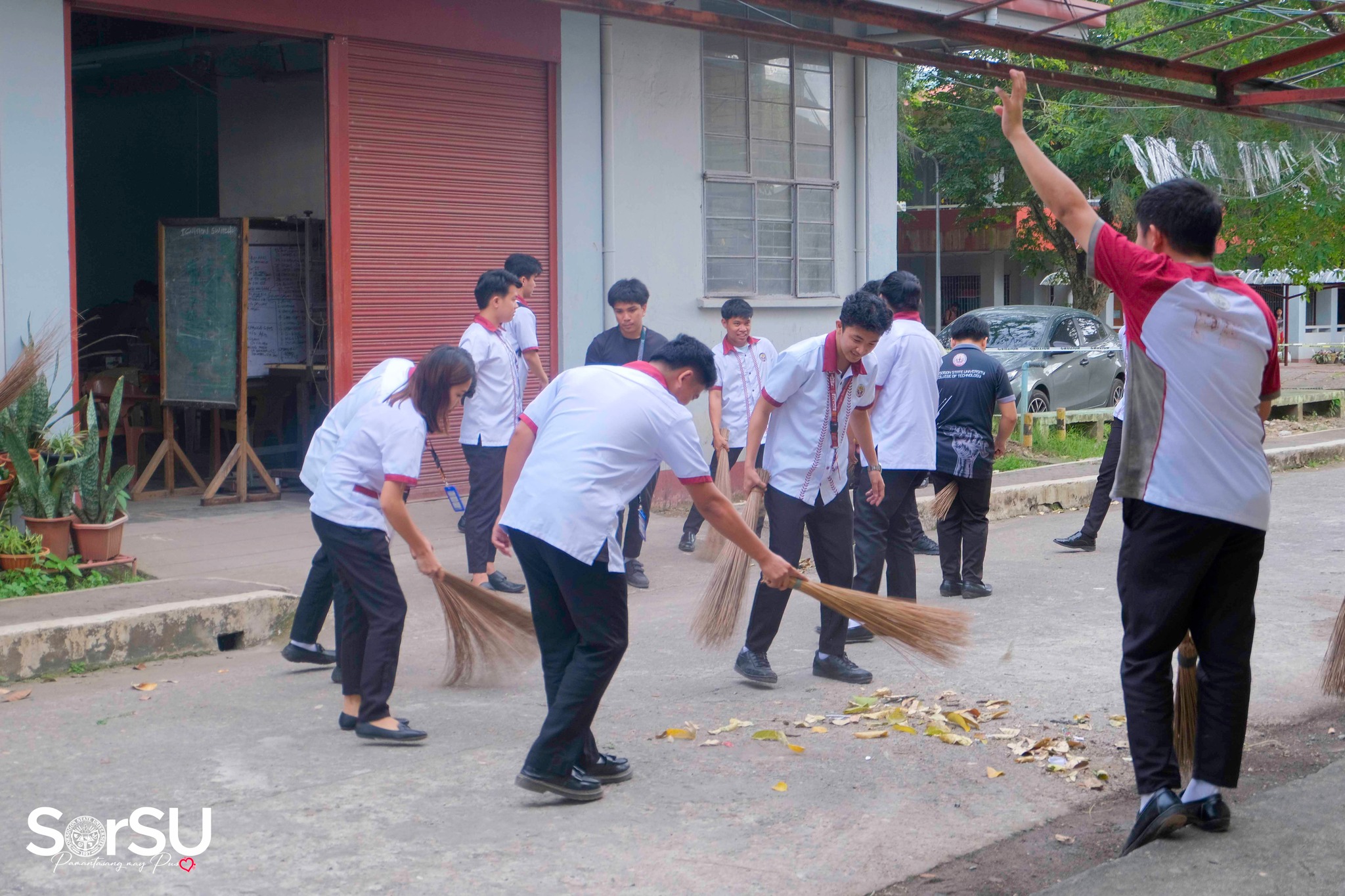
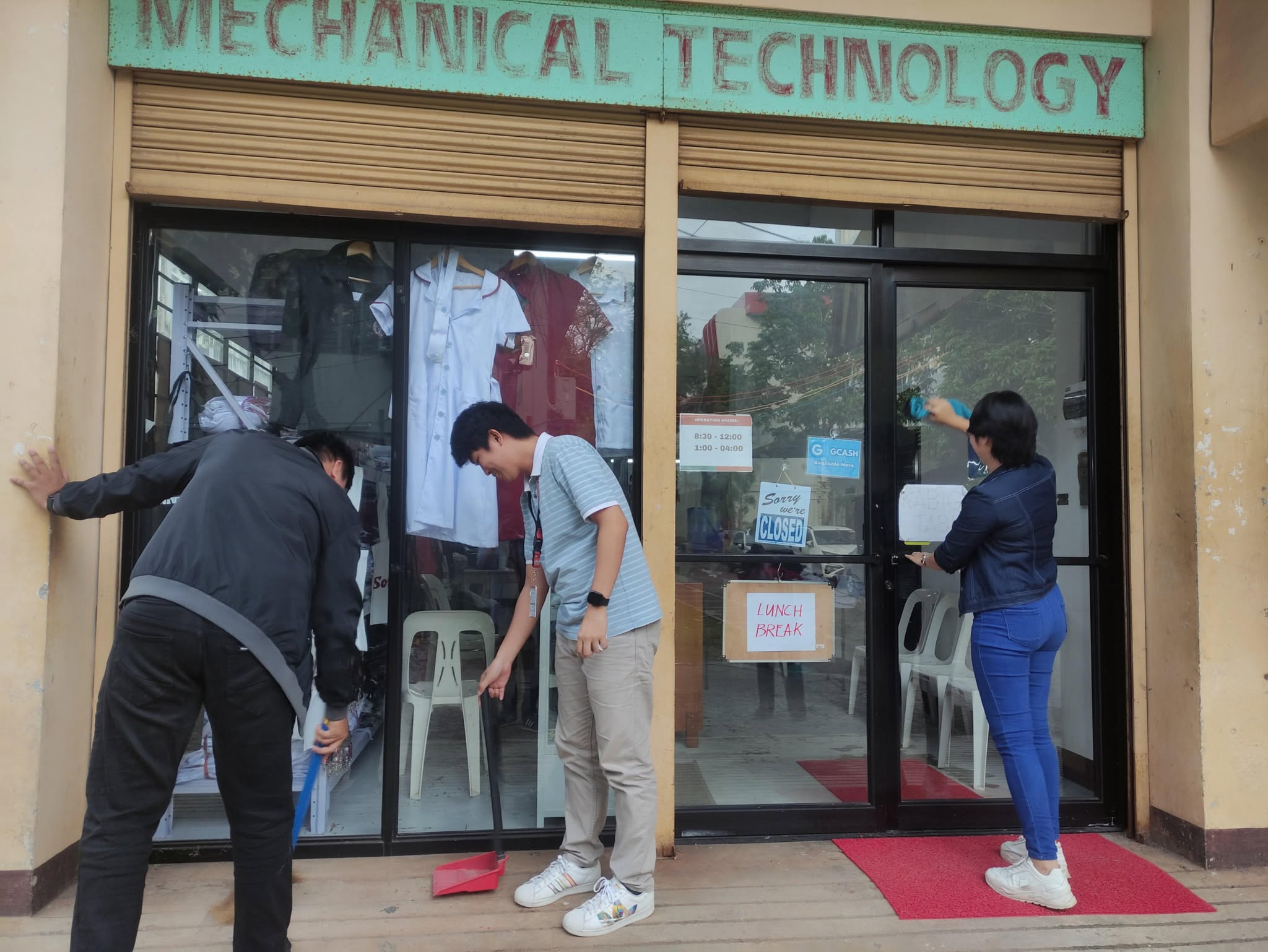
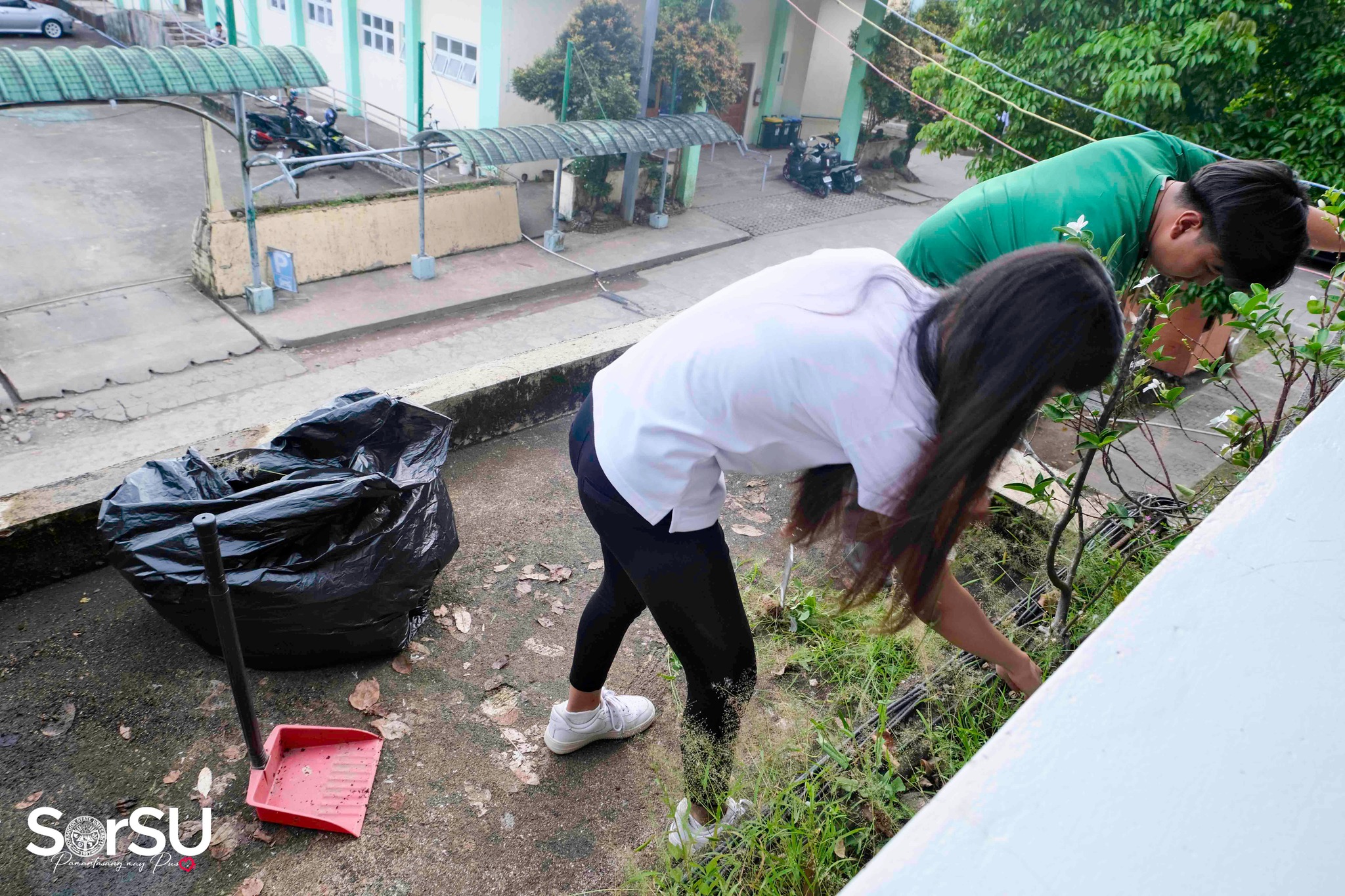
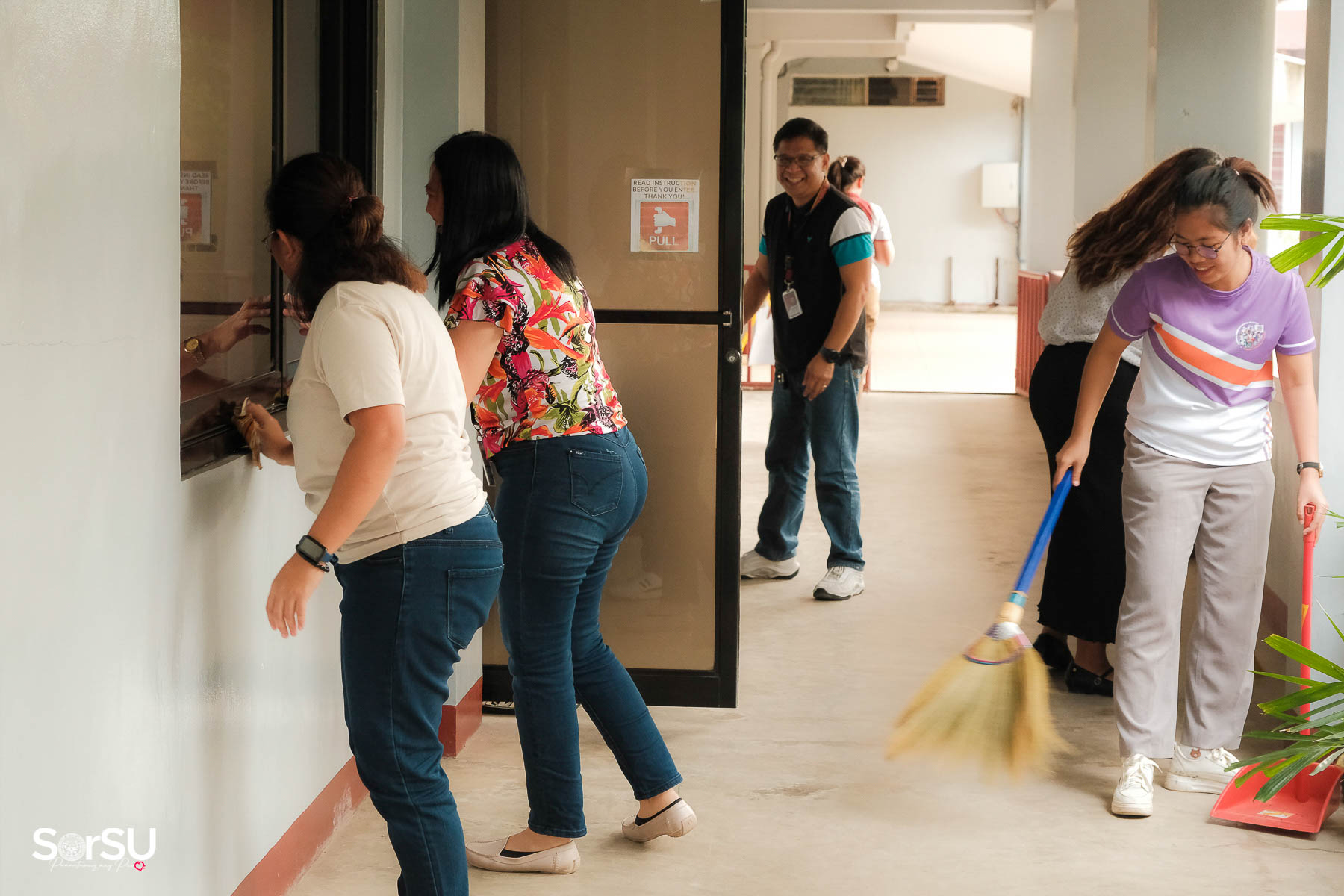
The monthly clean-up drive, held every last Friday at 4:00 PM, has become a community-wide practice involving students, employees, and stakeholders. This initiative has fostered a culture of shared responsibility and environmental awareness within the campus community. The continued growth of volunteerism and observable improvements in campus cleanliness reflect the initiative’s increasing normalization. These drives are now uniformly observed across all four SorSU campuses.
4. Water Potability Test
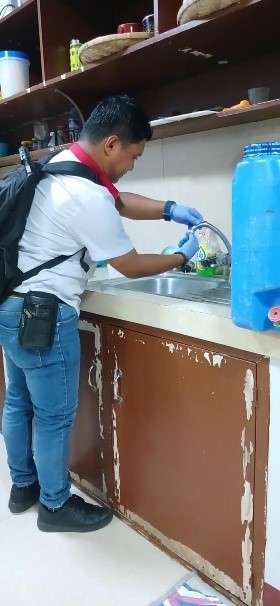
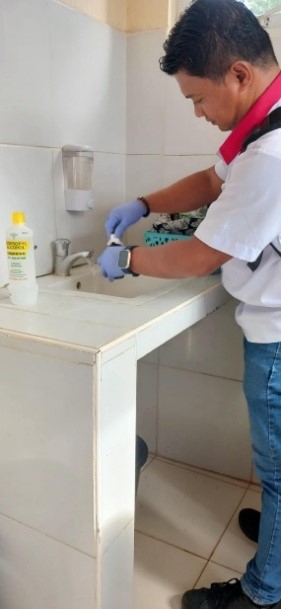
In compliance with ISO audit requirements and SDG 6 (Clean Water and Sanitation), water potability testing was conducted on March 14–15, 2025, across the main campus. Thirty water samples from faucets and various distribution points were collected for laboratory analysis to assess their suitability for drinking. The test results, expected from the City Health and Sanitation Office in partnership with a DOH-accredited laboratory, will provide crucial data to guide further enhancements of the university’s water supply systems, ensuring safe and sustainable water access for all.
5. Secured Frames for Trash Bins
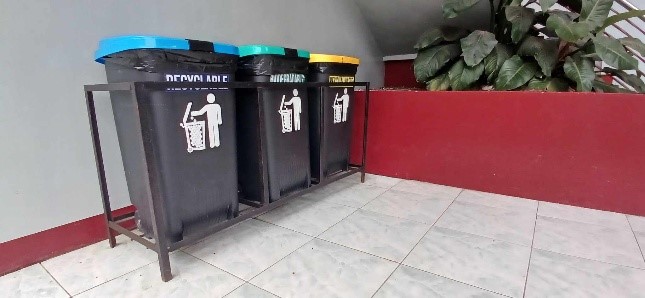
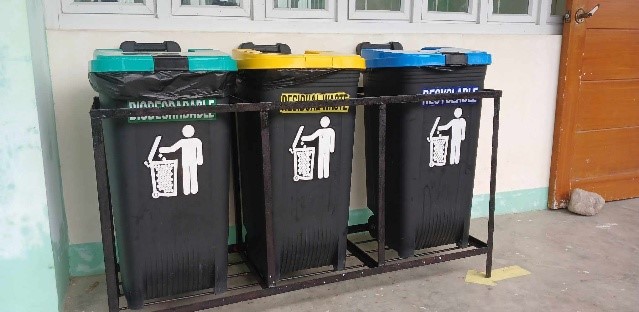
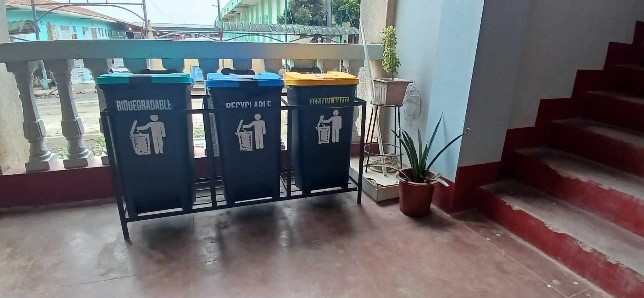
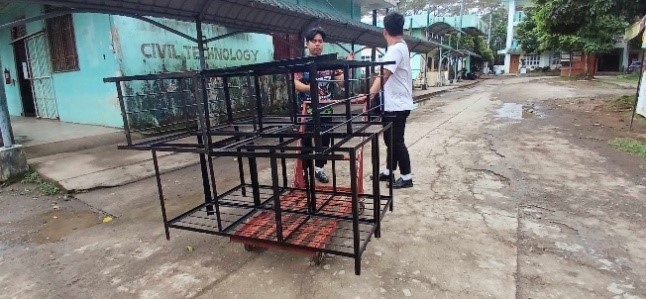
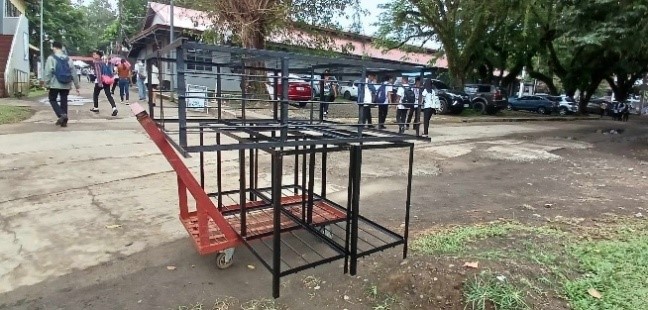
To address recurring concerns about displaced waste bins and vandalism, the university has now equipped all trash bins in buildings and facilities with metal frames. This simple yet effective measure ensures bin stability, prevents tampering or interference from stray animals, and contributes to maintaining a cleaner campus environment. The secured placement of bins is a practical step toward promoting waste segregation and cleanliness.
6. Solid Waste Management Infographics
As part of the information and education campaign, infographics on solid waste management have been developed and are now ready for deployment. These materials communicate key practices in line with Republic Act 9003, UN SDGs, and the institutional policies of the ESMC. To ensure maximum visibility and reach, the infographics will be displayed via LED screens, official university platforms, printed posters, and high-traffic bulletin boards. This strategy aims to promote environmental literacy and encourage daily application of sustainability principles among stakeholders.
7. Other Future Plans
Looking ahead, the ESMC is preparing to expand its environmental outreach and inter-agency partnerships. Planned initiatives include a university-wide clean-up and tree planting activity that will cover esteros, canals, coastal bays, sidewalks, and open public areas. An Environmental Caravan in partnership with Department of Environment and Natural Resources – Environmental Management Bureau – V (DENR-EMB-V) is also being arranged for 2025. Additionally, the committee is exploring funding opportunities for climate change initiatives and intends to conduct benchmarking and inter-university visits to learn from other institutions’ best practices.
Sorsogon State University, through the coordinated efforts of the Environmental Sustainability Management Committee, continues to uphold its responsibility as a green university. These recent initiatives demonstrate the institution’s commitment to embedding sustainability in both policy and practice — from campus-wide clean-up efforts to inter-campus dialogues and compliance with national and international standards. (SorSU ESMC)