
Project danao
Nag-Aso Boiling Lake: Nature’s Steaming Wonder in Albay
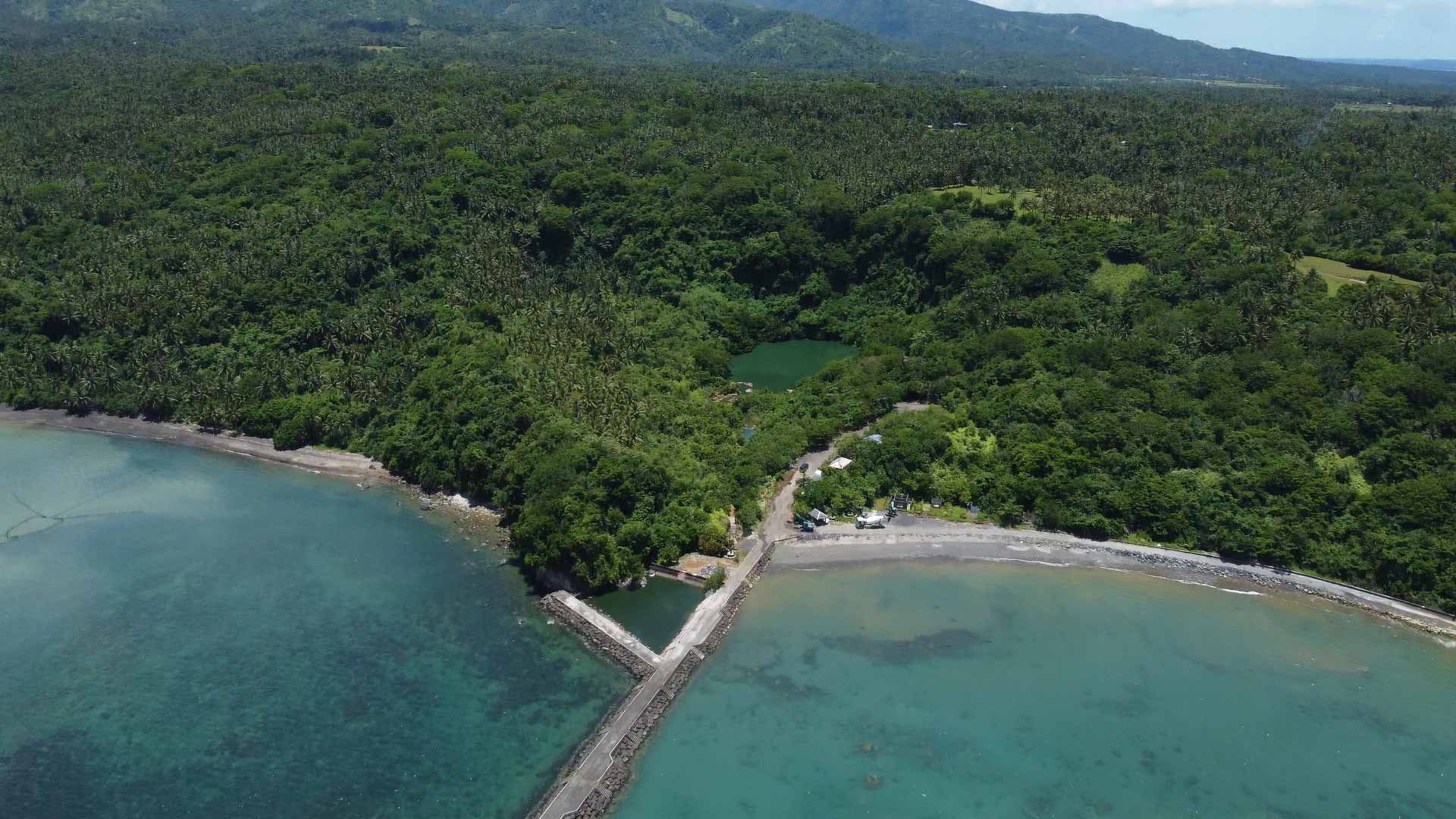
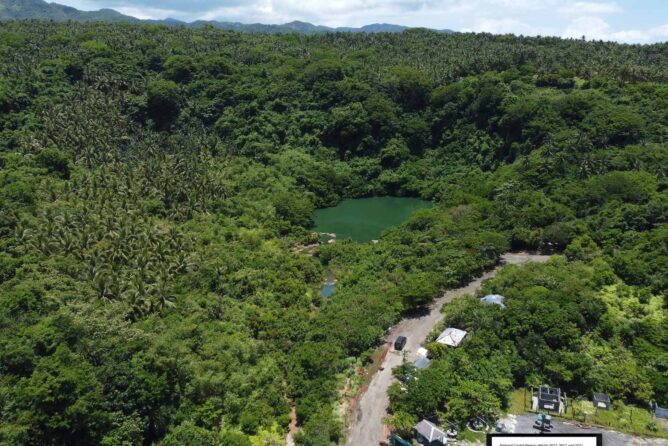
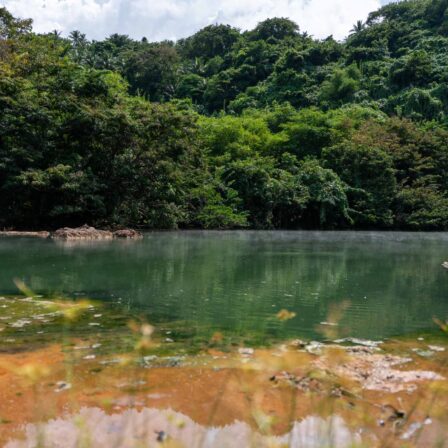
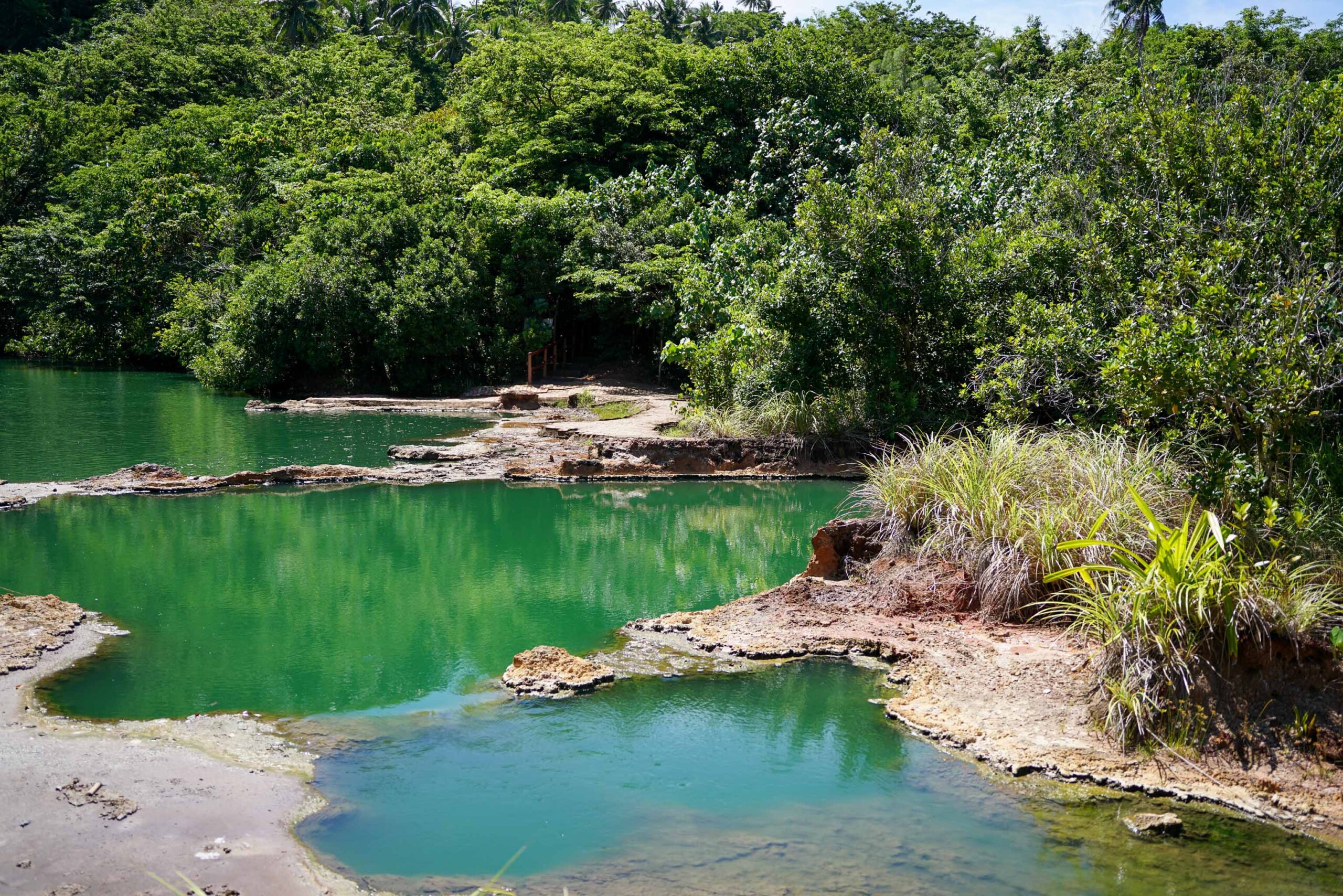
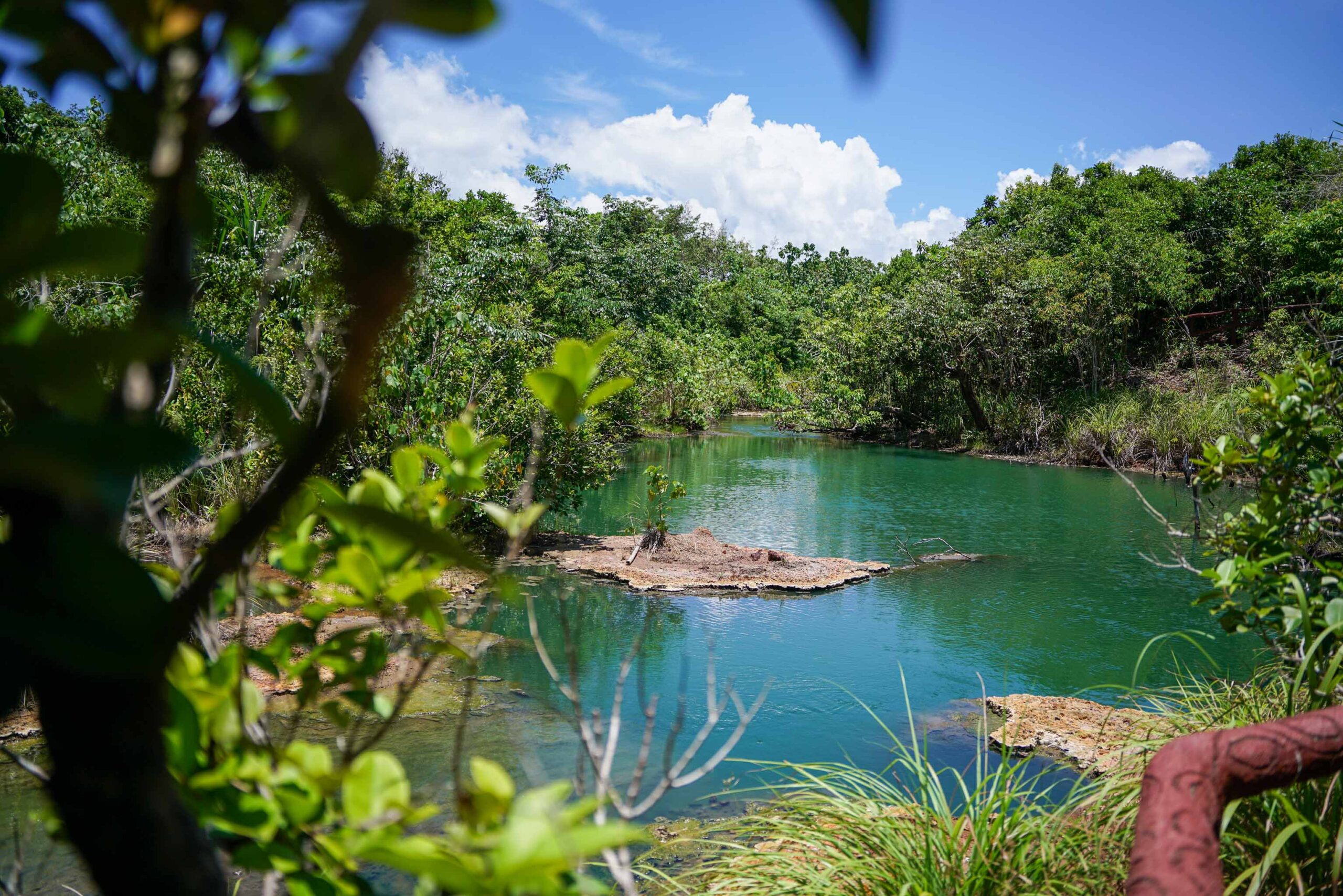
Nestled in the municipality of Manito, Albay, the Nag-Aso Boiling Lake is a rare geothermal lake located within the Bacon–Manito geothermal area along the slopes of the Pocdol Mountains in the Bicol Region. Its name comes from the local word “nag-aso,” meaning “steaming,” inspired by the continuous mist and vapor rising from the lake due to intense underground geothermal activity. The lake contains sulfur-rich hot spring water with temperatures ranging from 87°C to 100°C, making it too hot for aquatic life and unsafe for direct contact.
Despite its harsh geothermal conditions, Nag-Aso Lake remains an important ecological and cultural landmark. The lake ecosystem spans around 3 hectares, with the lake itself covering about 0.4 hectares, surrounded by lush vegetation, native flora such as bamboo, buri, coconut, and nito, and wildlife including kingfishers, owls, and Philippine maya birds. The area also supports nearby communities through eco-cultural tourism and local livelihood activities, making it both an environmental treasure and a symbol of community identity.
Research under Project DANAO highlights the importance of conserving the lake due to threats such as soil erosion, sedimentation, and human activities near its watershed. Through partnerships among Sorsogon State University, DENR, LGU Manito, and local communities, the project promotes sustainable conservation, environmental education, and ecotourism development to preserve the lake’s natural beauty and ecological value for future generations.
Geological Characteristics
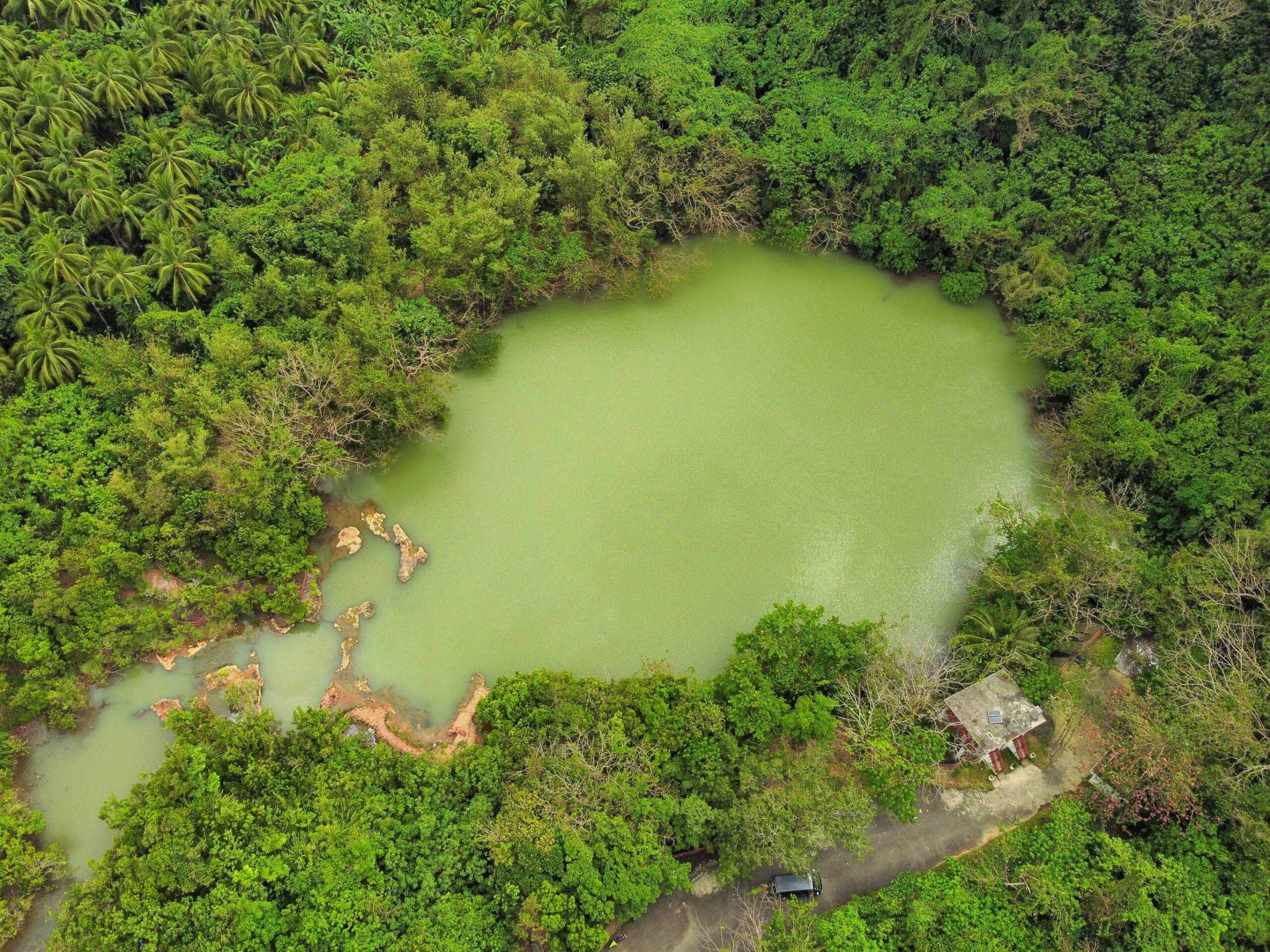
Nag-Aso Boiling Lake is a natural geothermal hot-spring lake located in Manito, Albay, within the Bacon–Manito (Bac-Man) geothermal area along the slopes of the Pocdol Mountains in the Bicol Region. The lake ecosystem covers approximately three hectares, while the actual lake surface measures around 0.4 hectares. It is situated at approximately 13.10° N and 123.92° E, with an elevation of about 13.4 meters above sea level.
The lake is characterized by intense hydrothermal activity, producing constant steam or vapor from its surface, which inspired the name “Nag-Aso,” meaning “steaming.” Water temperatures range from 87°C to 100°C due to the mixing of freshwater and sulfur-rich groundwater. Because of these extreme temperatures, the lake is unsafe for direct human contact and is generally inhospitable to aquatic life.
Topographically, the lake lies in a low depression surrounded by steep western and southern slopes that channel runoff and sediments into the basin. Soil erosion is a major environmental concern, with some exposed slopes experiencing severe soil loss reaching up to 500 tons per hectare annually.
Ecological Characteristics
Nag-Aso Lake is classified as a geothermal wetland habitat under the Ramsar system and possesses unique hydro-ecological features. The lake basin spans approximately three hectares with a maximum recorded depth of 59 meters. The surrounding area experiences a Type II climate based on PAGASA classification, characterized by the absence of a dry season, heavy rainfall from November to January, and annual precipitation averaging about 3,600 mm. Temperatures in the area range from 21.6°C to 31.9°C.
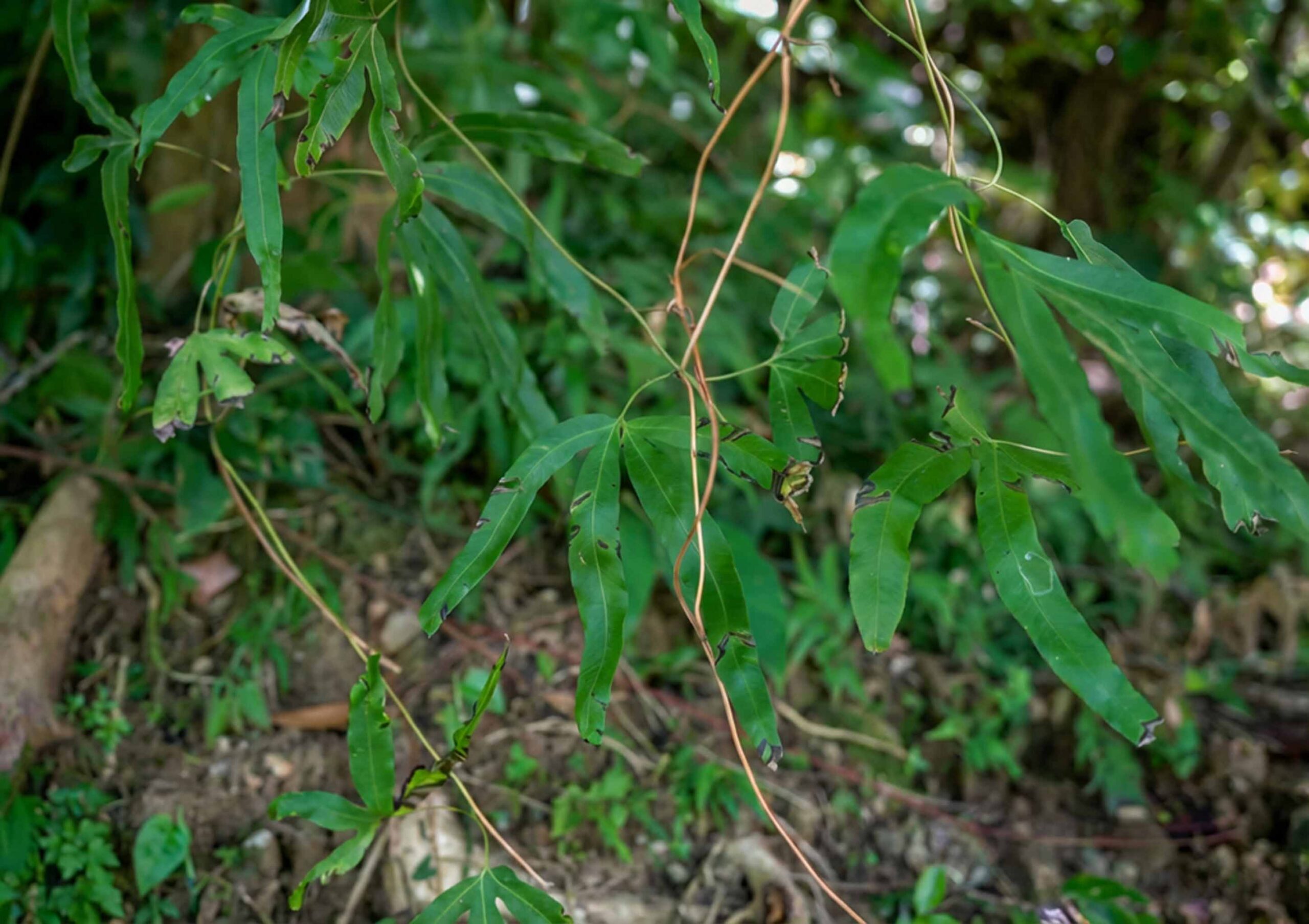
The lake ecosystem supports important ecological processes despite the harsh geothermal conditions. Vegetation surrounding the lake includes grasslands, shrubs, herbs, and forested slopes containing fruit-bearing and timber trees with fern and vine understories. These ecosystems contribute to watershed protection, erosion control, and habitat stability.
Environmental concerns include pollution risks associated with nearby human activities such as washing and bathing in spring areas using detergents. Sedimentation caused by runoff and land-use changes also threatens the lake’s ecological integrity and long-term sustainability.
Biophysical Structure
The biophysical structure of Nag-Aso Boiling Lake reflects the interaction between its geothermal features, surrounding terrain, vegetation, soil composition, and hydrological systems. The lake is surrounded by clay loam soils with a muddy lakebed, while the adjacent upland terrain is composed of forested and agricultural landscapes.
Land use in the surrounding barangays primarily consists of trees, croplands, rangelands, and limited built-up areas. However, these activities can reduce vegetation cover and increase susceptibility to erosion and sedimentation. Digital elevation models show that the steep terrain directs runoff toward the lake basin, accelerating sediment deposition and potentially reducing lake capacity over time.
To preserve the lake’s biophysical integrity, Project DANAO recommends conservation measures such as contour farming, terracing, buffer vegetation establishment, drainage improvements, and stricter land-use regulation.
Biodiversity
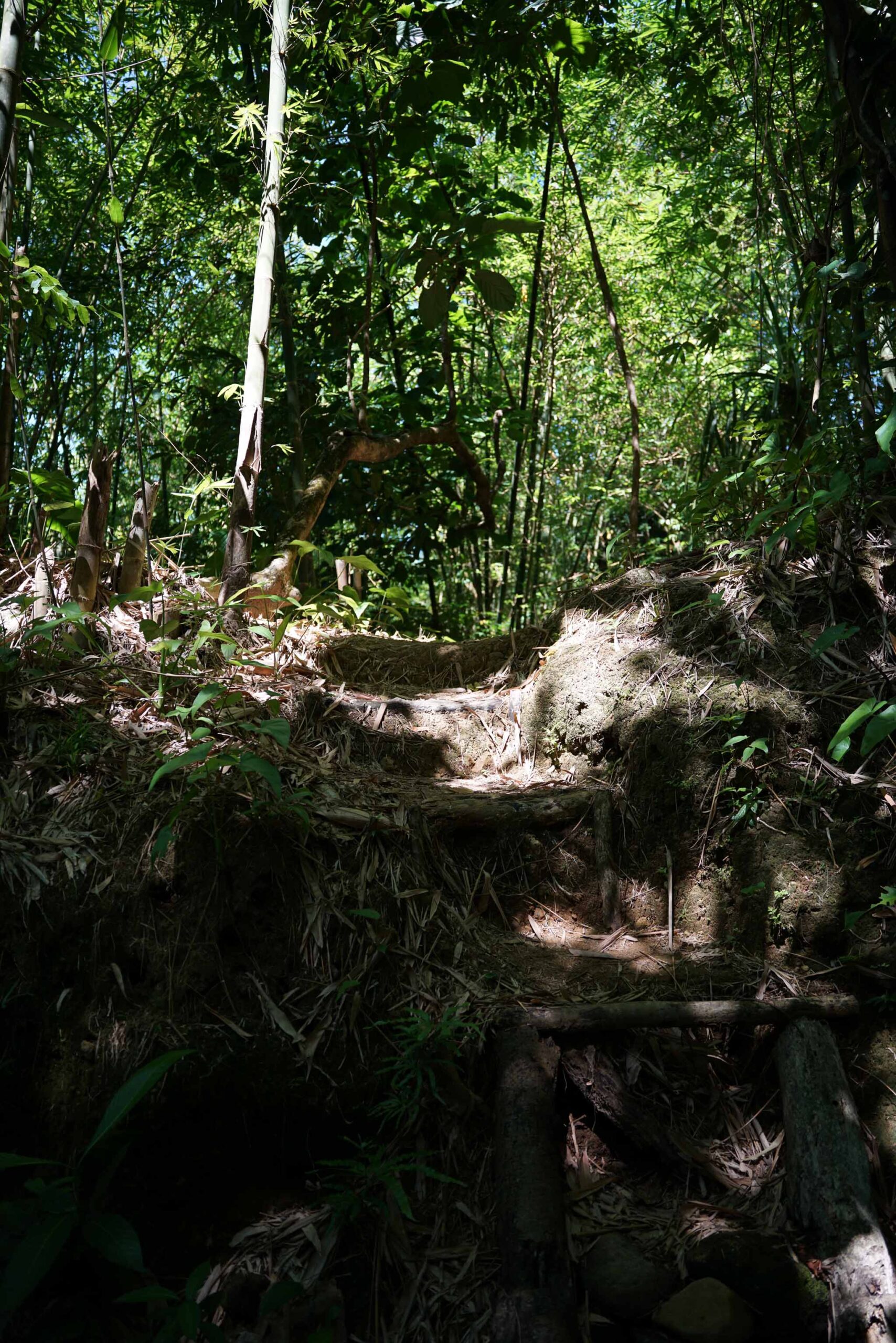
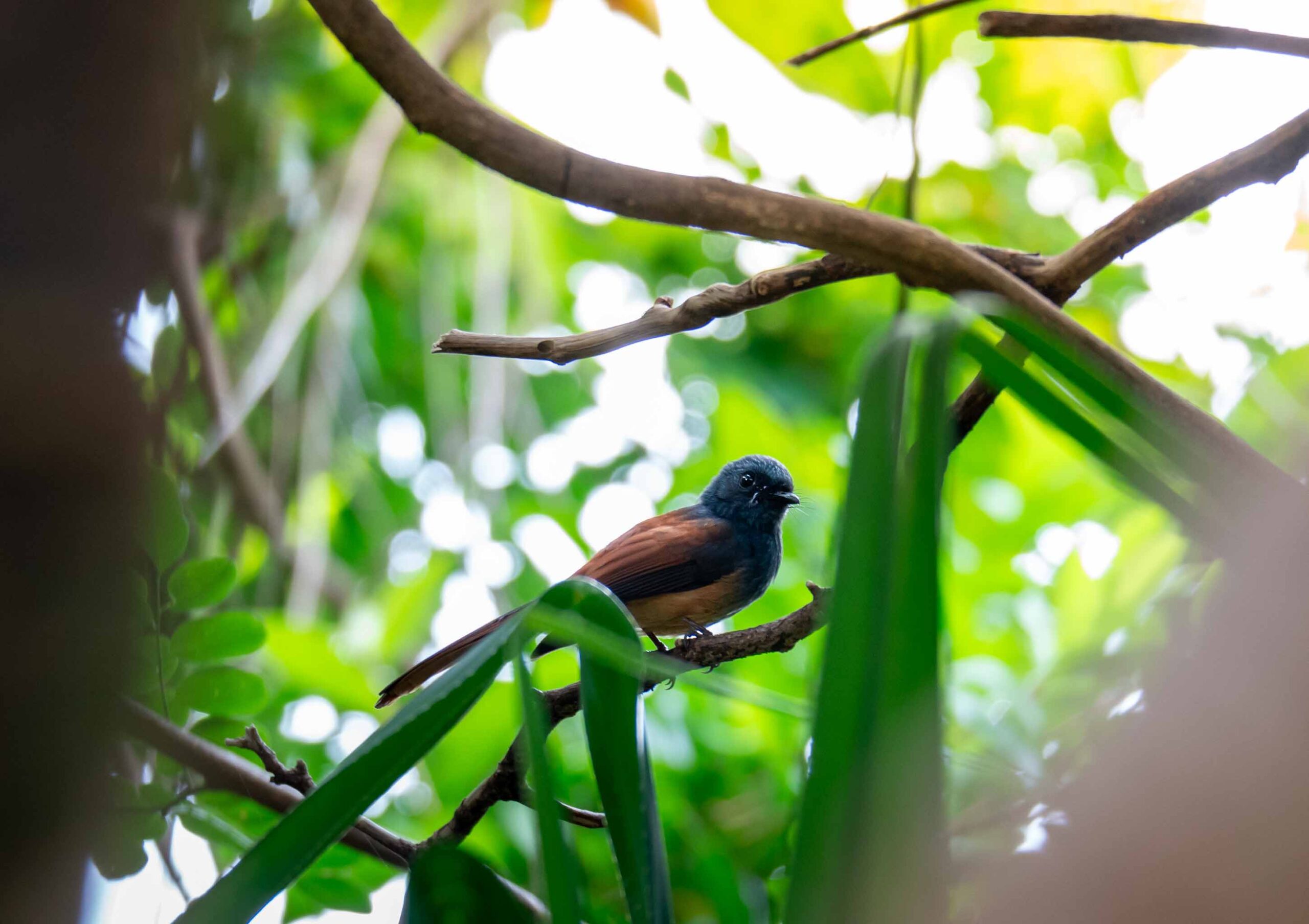
Despite its geothermal nature, the surrounding environment of Nag-Aso Lake supports a diverse range of flora and fauna. The area contains native Philippine tree species such as narra, naga, and bitaog, which provide nesting and shelter habitats for wildlife species including the Philippine maya, kingfishers, and owls.
The lake surroundings are also rich in native vegetation such as nito, bamboo, buri, and coconut trees. These plant species contribute to ecological stability and provide resources for nearby communities.
Although the lake itself cannot support most aquatic organisms because of its extremely high temperature and sulfur-rich waters, the terrestrial ecosystem around the lake remains biologically important. The biodiversity of the area highlights the need for continued conservation initiatives, sustainable resource management, and community-based environmental protection efforts under Project DANAO.

Culture & Stories
Nag-Aso (Boiling) Lake is deeply woven into the history, culture, and identity of the communities of Hulogan and Balabagon in Manito, Albay. More than a geothermal wonder, the lake serves as a living cultural landscape where stories, traditions, and livelihoods have been passed down through generations. According to local narratives, the lake was once referred to simply as danao or danaw, a Bicol term for lake, before it became widely known as “Nag-Aso” because of the continuous steam rising from its waters.
Oral histories from longtime residents describe the lake as a place rich in biodiversity and community memory. Elders recalled dense forests of narra, balete, and lipato trees surrounding the lake, serving as habitats for birds, monkeys, and other wildlife. Local traditions such as bayanihan, sustainable use of resources, and nito weaving reflect the community’s close relationship with nature and their shared responsibility in protecting the lake.
Sources: Steaming Legacy: Bridging Nature, Science, and Community – Case Studies and Narratives, pp. 33–35

Documentary
Discover the hidden beauty and enduring stories of Nag-Aso (Boiling) Lake in Manito, Albay through this audiovisual presentation developed under Project DANAO. Featuring breathtaking aerial landscapes, community narratives, scientific insights, and cultural heritage, the AVP highlights the unique relationship between nature and the people who have long protected and depended on the lake.
Watch the video here
Environmental Importance
I
Nag-Aso (Boiling) Lake is a rare geothermal lake ecosystem located in Manito, Albay, recognized for its ecological, geological, and cultural significance. Surrounded by forests, wetlands, and diverse vegetation, the lake serves as a natural habitat for various bird species, terrestrial fauna, and native plant life. Its unique geothermal characteristics, including naturally heated waters and continuous steam emissions, make it an important site for environmental research and ecological conservation.
Beyond its natural beauty, the lake supports the livelihoods, traditions, and environmental identity of nearby communities. The surrounding ecosystem contributes to soil protection, climate regulation, biodiversity conservation, and sustainable ecotourism potential, making Nag-Aso Lake an important natural heritage site in the Bicol Region.
Threats to Biodiversity
II
Despite its ecological richness, Nag-Aso Lake faces growing environmental pressures that threaten its fragile biodiversity. Soil erosion, sedimentation, vegetation clearing, unmanaged tourism activities, and pollution from nearby human activities contribute to habitat degradation and declining ecosystem health. Invasive species, improper waste disposal, and disturbances caused by noise and increasing foot traffic also affect wildlife populations and disrupt the lake’s ecological balance.
Climate-related risks and unsustainable land use further increase the vulnerability of the lake ecosystem. Without stronger environmental management and community participation, these threats may lead to long-term ecological degradation and loss of biodiversity within the Nag-Aso landscape.
Conservation
III
Conservation efforts for Nag-Aso Lake are driven through the collaborative initiatives of Project DANAO, local communities, government agencies, and academic institutions. These efforts focus on promoting environmental awareness, strengthening conservation policies, supporting sustainable livelihoods, and protecting the lake’s ecological integrity.
Recommended conservation strategies include reforestation, biodiversity monitoring, responsible ecotourism, waste management programs, environmental education campaigns, and the establishment of stronger protection policies for the lake ecosystem. Community participation remains central to these efforts, reflecting the long-standing stewardship and cultural connection of the people of Manito to Nag-Aso Lake.
Research and References
IV
The documentation and conservation initiatives surrounding Nag-Aso Boiling Lake are supported through Project DANAO (Demographic Characterization to Advance Nag-Aso Lake Conservation and Advocacies in Optimizing Benefits among Stakeholders), a multidisciplinary research initiative led by Sorsogon State University in partnership with government agencies and local stakeholders.
The project integrates geological studies, biodiversity assessments, socio-economic research, oral histories, and environmental advocacy to generate sustainable solutions for lake conservation and community development. Research findings are compiled in Steaming Legacy: Bridging Nature, Science, and Community, which serves as a comprehensive reference on the ecological, cultural, and socio-economic significance of Nag-Aso Lake.
TOURISM INFORMATION
How to Get to Nag-Aso Boiling Lake
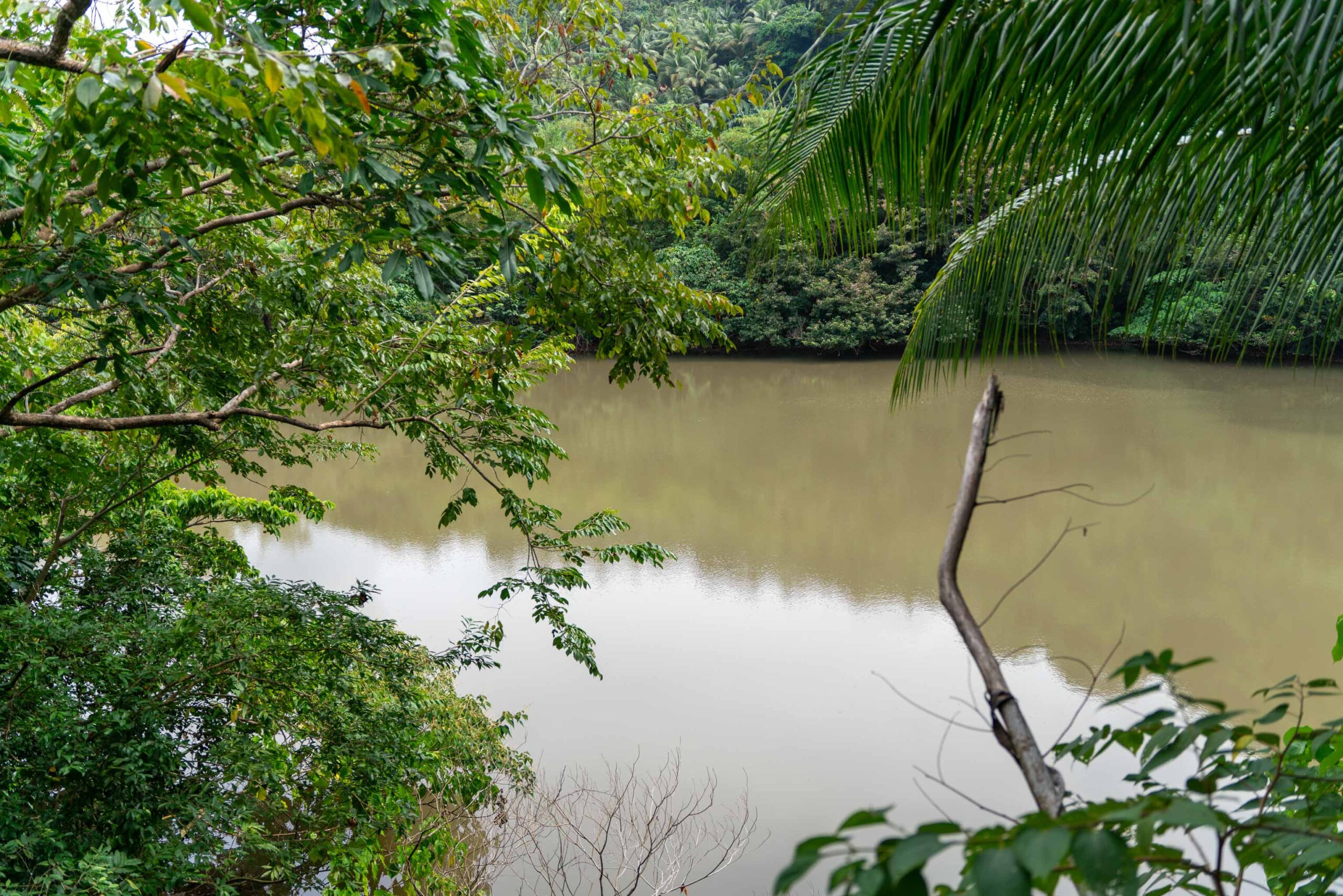
Nag-Aso (Boiling) Lake is located in the municipality of Manito, Albay, in the Bicol Region of the Philippines. The lake lies between Barangays Hulogan and Balabagon, surrounded by lush forest landscapes and geothermal features. From Legazpi City, visitors may travel by land to Manito through public transportation or private vehicles, followed by a scenic route leading to the lake area.The journey offers panoramic views of mountains, forests, and the Albay Gulf, making the trip itself part of the experience. Road access to the lake has improved over the years through local tourism and development initiatives, allowing easier access for visitors and researchers alike.
Tourist Activities
Visitors to Nag-Aso Lake can enjoy a variety of nature-based and eco-cultural activities. Popular activities include sightseeing, nature photography, birdwatching, environmental appreciation, and guided educational tours about the lake’s geothermal and ecological significance. Tourists may also experience the local culture and community stories connected to the lake, including traditional crafts and conservation practices promoted through Project DANAO. The peaceful atmosphere and unique steaming waters make the lake an ideal destination for relaxation, learning, and sustainable ecotourism experiences.
Safety Reminders
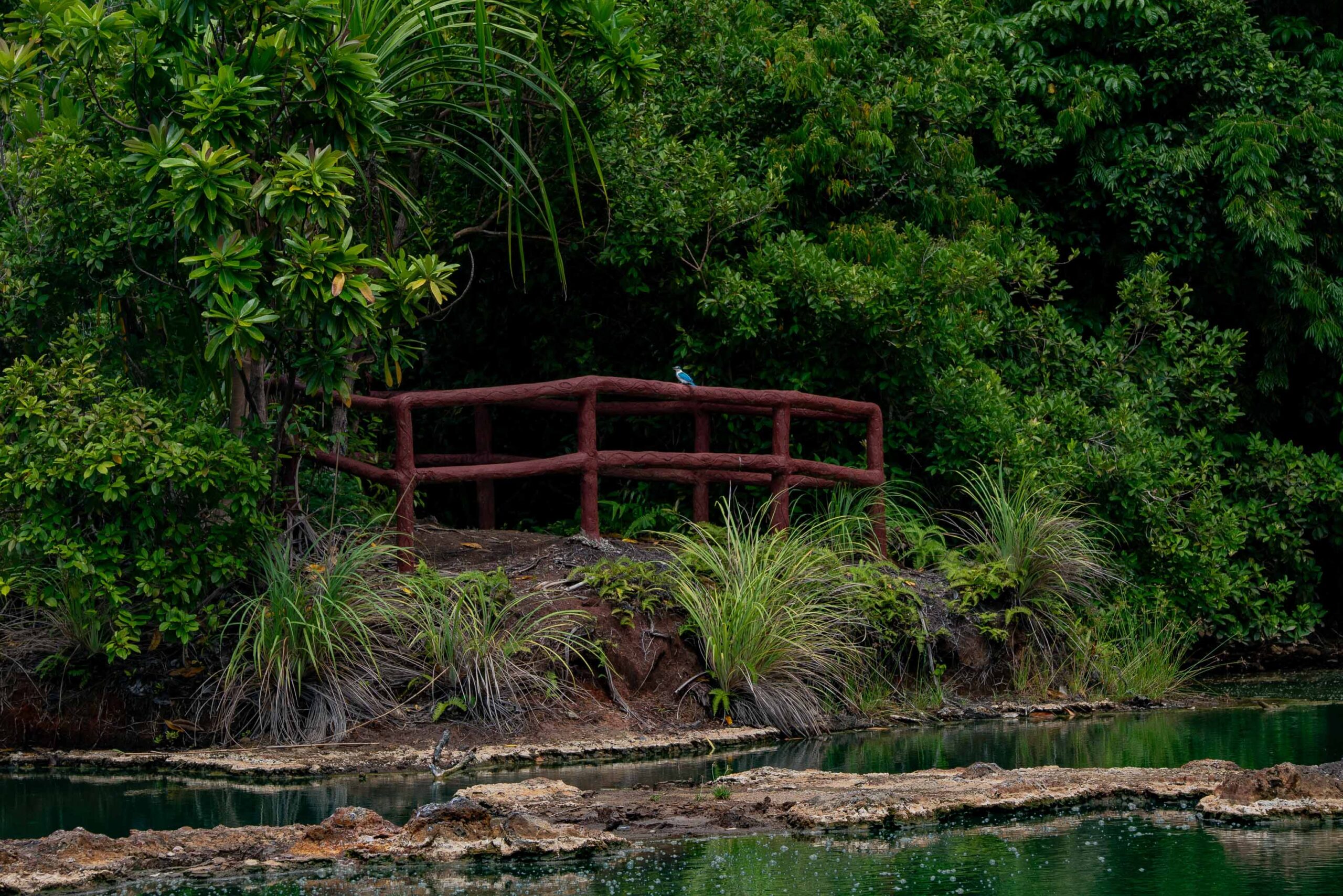
Nag-Aso Boiling Lake is recognized as an emerging ecotourism destination in Albay because of its rare geothermal environment and rich biodiversity. Visitors are encouraged to appreciate the lake responsibly while respecting the local community and natural surroundings. The area features scenic viewpoints, natural landscapes, and opportunities for environmental appreciation and cultural learning. Since the lake is part of a fragile geothermal ecosystem, tourists are advised to follow local guidelines and cooperate with conservation efforts to help preserve the beauty and ecological balance of the site.
Visitor Information
Nag-Aso Lake is an active geothermal lake with water temperatures that can reach up to 100°C. For safety, direct contact with the lake water is strictly discouraged due to the risk of burns and unstable geothermal conditions. Visitors should remain within designated viewing areas and follow instructions from local guides and authorities at all times. To help protect the environment, tourists are encouraged to practice responsible tourism by avoiding littering, minimizing noise, respecting wildlife habitats, and refraining from damaging plants or natural features. By observing proper safety and environmental practices, visitors help preserve Nag-Aso Lake for future generations.

information
IEC Directory

News
Stories and News
our team
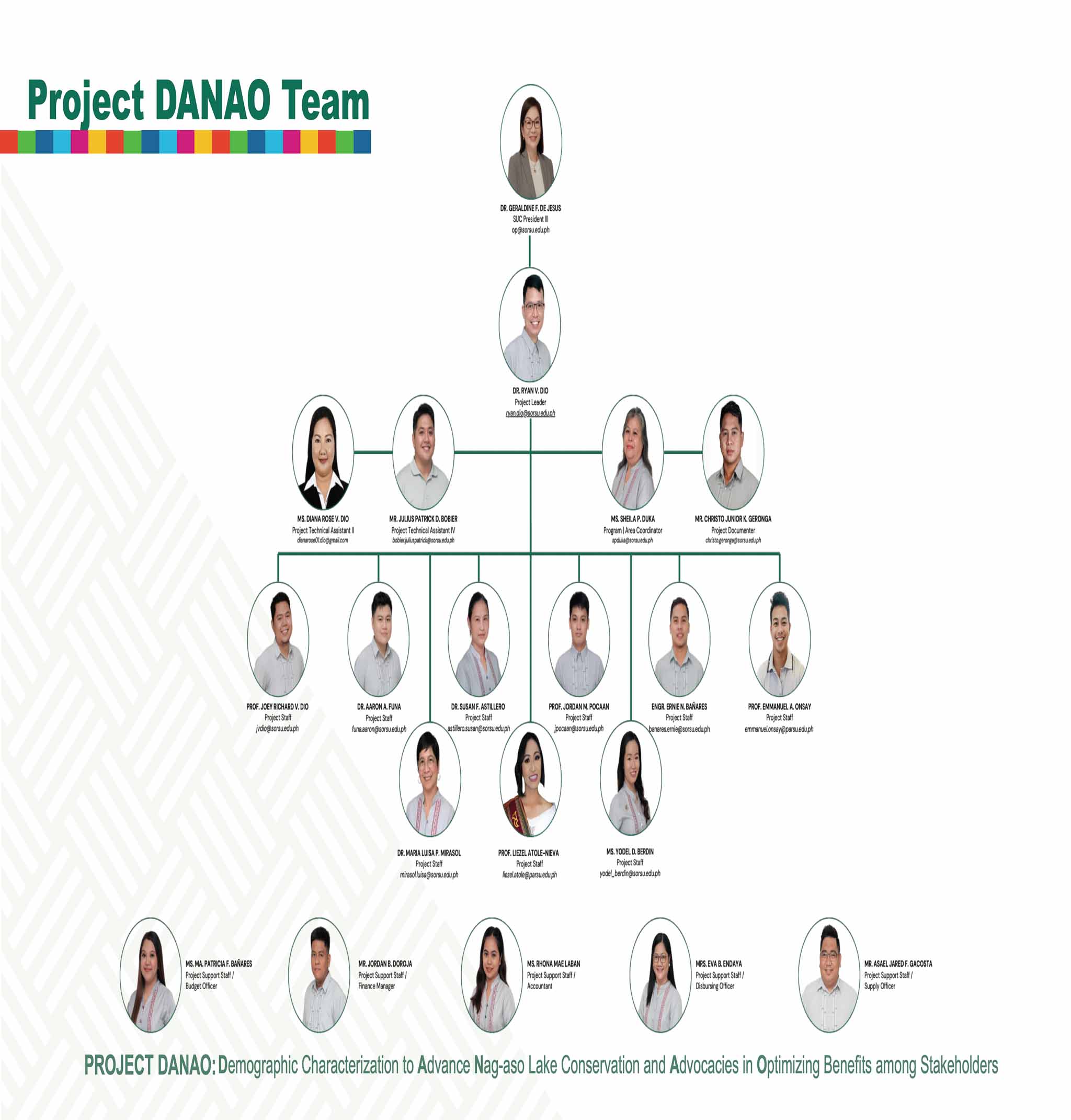
Meet our Team
About
Project DANAO

information
Reports
Back to hOME
Main Page
Get in Touch With Us
Contact [email protected] for inquiries on the Municipality related tourism concerns.
PROJECT DANAO: Address
Sorsogon State University, Graduate School
Magsaysay Street, Sorsogon City, Philippines
Phone
056 211-0103