















Sorsogon State University and the Sustainable Development Goals (SDGs)
SorSU is steadfast in pursuing sustainable development in support of the United Nations SDGs. Through these goals, the university has implemented various programs, research initiatives, extension services, training sessions, activities, and projects that further its commitment to the community and beyond.
Summary of SDG Report
SorSU’s Commitment to Poverty Alleviation (SDG 1)
Sorsogon State University (SorSU) demonstrates a strong institutional commitment to eradicating poverty through research, student support programs, community initiatives, and policy engagements at local to global levels.
Research on Poverty
SorSU contributes to the national discourse on poverty through academic inquiry, such as the study “Exploring the Sobre Vote-Buying in Rural Villages: The Live Experiences of Poor Voters in the Philippines,” which investigates the socioeconomic vulnerabilities of marginalized communities and their impact on democratic participation.
Financial Aid and Student Support
During Academic Year 2023–2024, SorSU recorded 17,165 enrolled students, of which 15,752 low-income students received financial assistance. This reflects the University’s inclusive education policy and dedication to ensuring equitable access to higher learning for students from economically disadvantaged backgrounds.
The University also implements targeted low-income student support initiatives, including subsidies, food and housing assistance, and welfare programs under the Office of Student Development and Services. In times of crisis, SorSU has also transformed its facilities into safe spaces—such as opening classrooms and buildings across campuses as evacuation centers during Typhoon Kristine—further demonstrating its social responsibility and compassion for vulnerable populations.
University and Community Anti-Poverty Programmes
SorSU operates multiple community anti-poverty initiatives, including local start-up assistance programs, financial support for small enterprises, and projects that improve access to essential services. These programs are often executed in partnership with government agencies and NGOs, emphasizing the University’s role in community empowerment and local economic development.
Policy and Partnerships Addressing Poverty
SorSU actively participates in policymaking and partnership-building efforts aimed at addressing poverty. These include collaborations with local, regional, and national government agencies, such as the MOA with the Department of Environment and Natural Resources (DENR-V) on the Access and Benefit Sharing Project, and the Department of Trade and Industry (DTI) through the Shared Service Facilities (SSF) Project, which supports livelihood innovation. The University also engages in global and local policy dialogues, as documented in its Global Policy Addressing Poverty initiatives.
Overall, SorSU’s wide-ranging efforts—from academic research and financial inclusion to community engagement and policy collaboration—reflect a holistic approach to combating poverty and promoting sustainable development in line with SDG 1: No Poverty.
(More data available at sorsu.edu.ph/sdg-1-no-poverty.)
Data set for SDG 1 – No Poverty
Research on Poverty
Exploring the Sobre Vote-Buying in Rural Villages: The Live Experiences of Poor Voters in the Philippines
Proportion of students receiving financial aid to attend university because of poverty
Number of students: 17,165 | Number of Students (2023-2024) |
Number of low income students receiving financial aid: 15,752 | Number of Low-Income Students Receiving Financial Aid
University anti-poverty Programmes
Bottom financial quintile admission target | Link 1 |
– Summary of Scholarship Programs First Semester 2023-2024
– Summary of Scholarship Programs Second Semester 2023-2024
– Memo on Policy and Guidelines on Enrollment Target Setting
– Prescribed Target Enrollment for AY 2023-2024
– Students’ Targets 2026-2027
– Prescribed Target Enrollment for AY 2023-2024
– 2nd Sem 2023-2024 Target Enrollment
– Total number of students who fall into the Bottom 20% – 2023-2024 for 2026 application
Low-income student support
Low-income student support – Google Drive
ADVISORY: SorSU Castilla Campus opens classrooms as evacuation centers
SorSU Opens Doors to Evacuees Amid Typhoon Kristine Flooding
ADVISORY: SorSU Sorsogon City Campus Technology Building is open for evacuation purposes –
SorSU holds groundbreaking ceremony with Angat Pinas Inc. — Angat Buhay Dormitory for Girls soon to rise at SorSU-Castilla Campus
FOOD AND HOUSING
Office of Student Development and Services
SorSU Opens Doors to Evacuees Amid Typhoon Kristine Flooding
Bottom financial quintile student support | Link 1 | Link 2 |
– Partnership with National Grid Corporation of the Philippines (Addedndum)
– Partnership with National Grid Corporation of the Philippines
– DMTG Scholarship Program SY2022-2026 Sorsogon
– Partnership with Gokongwei Brothers Foundation Inc.
– Amendment Guidelines of the Grant of Free Tuition in State Universities and Colleges for Fiscal Year 2017
– Partnership for the Education Behind Bars: Pathways to Development and Liberation
– Partnership with the Landbank Countryside Development Foundation, Inc.
– CHED-UNIFAST MC No. 2018-0003 Guidelines of the Student Loan Program for Tertiary Education – Short-term Basis (SLPTE-ST) for Tertiary Education in the Philippine State Universities and Colleges (SUCs), CHED – Recognized Local Universities and Colleges (LUCs) and Private Higher Institutions
– CHED-UNIFAST MC No. 2018-0004 CHED-UNIFAST Guidelines on the Implementation of the Tertiary Education Subsidy (TES) for Filipino Students
– CHED-UNIFAST MC No. 02, s. 2023 Standardized Guidelines of the Tulong Dunong Program for SUCs for the first semester of Academic year 2023-2024
Bottom Financial quintile student success
– First Semester 2023-2024
– Second Semester 2023-2024
– Memo on Policy and Guidelines on Enrollment Target Setting
– Students’ Targets 2026-2027
– Bottom 20%- 2023-2024 for 2026 application
Low or lower-middle income countries student support
– Partnership with National Grid Corporation of the Philippines (Addedndum)
– Partnership with National Grid Corporation of the Philippines
– DMTG Scholarship Program SY2022-2026 Sorsogon
– Partnership with Gokongwei Brothers Foundation Inc.
– Amendment Guidelines of the Grant of Free Tuition in State Universities and Colleges for Fiscal Year 2017
– Partnership for the Education Behind Bars: Pathways to Development and Liberation
– Partnership with the Landbank Countryside Development Foundation, Inc.
– CHED-UNIFAST MC No. 2018-0003 Guidelines of the Student Loan Program for Tertiary Education – Short-term Basis (SLPTE-ST) for Tertiary Education in the Philippine State Universities and Colleges (SUCs), CHED – Recognized Local Universities and Colleges (LUCs) and Private Higher Institutions
– CHED-UNIFAST MC No. 2018-0004 CHED-UNIFAST Guidelines on the Implementation of the Tertiary Education Subsidy (TES) for Filipino Students
– CHED-UNIFAST MC No. 02, s. 2023 Standardized Guidelines of the Tulong Dunong Program for SUCs for the first semester of Academic year 2023-2024
Community anti-poverty programmes
Local start-up assistance | Link 1 |
– Augmenting Capacities of Cooperatives and Micro, Small & Medium Enterprises for Sustainable Services (ACCESS)
– Partnership with Department of Trade and Industry (DTI)
– Grow Negosyo: A Financial Business Management Training and Mentoring program for MSMEs in Sorsogon
Other Local start-up assistance | Link 1 | | Link 2 |
COS STC4iD 2024-2026 Product Development Expert
KINAYA 4 – Business Pitching Competition
MOA STC4iD 2024-2026
Packaging and Labeling Workshop
Understanding People Dev. and SorSU
Local start-up financial assistance | Link 1 | Link 2 |
– Augmenting Capacities of Cooperatives and Micro, Small & Medium Enterprises for Sustainable Services (ACCESS)
– Partnership with Department of Trade and Industry (DTI)
– Grow Negosyo: A Financial Business Management Training and Mentoring program for MSMEs in Sorsogon
Programmes for services access | Link 1 | Link 2 |
Direct: Programmes for services access – Google Drive
Castilla Campus:
– Pili Propagation and Nursery Management
– Discussion on Organic Fertilizer Utilization
– Partnership with the Provincial Government of Sorsogon in establishing a Province-Led Agriculture and Fisheries Extension System in Sorsogon Province
– Programang Umusbong para sa Sorsoganong Oragon
Sorsogon City Campus – College of Business Management:
– Partnership with DTI on Grow Negosyo
– Grow Negosyo: A Financial Business Management Training and Mentoring program for MSMEs in Sorsogon
Policy addressing poverty
Exploring the Sobre Vote-Buying in Rural Villages: The Live Experiences of Poor Voters in the Philippines
1st College of Agriculture Students’ Research Symposium 2024
Local https://sorsu.edu.ph/sorsu-bulan-campus-secures-five-extension-projects-with-province-wide-agencies-through-ceremonial-moa-signing/
Regional https://sorsu.edu.ph/sorsu-inks-moa-with-denr-5-marks-collab-on-access-and-benefit-sharing-abs-project/
National DTI turns over Flatbed Cutting Machine to Sorsogon PILI FabLab following sealed MOA with SorSU on the Shared Service Facilities (SSF) Project – SORSOGON STATE UNIVERSITY
Global Policy addressing poverty – Google Drive
Augmenting Capacities of Cooperatives and Micro, Small & Medium Enterprises for Sustainable Services (ACCESS)
Partnership with SocioPreneur Indonesia
SEAMEO 2022 SORSU Membership
For more data visit https://sorsu.edu.ph/sdg-1-no-poverty/
SorSU’s Commitment to Ending Hunger and Promoting Food Security (SDG 2)
SorSU is deeply committed to advancing food security, sustainable agriculture, and hunger alleviation through its research, student welfare programs, community engagements, and academic initiatives that promote sustainability in food systems.
Research on Hunger and Food Sustainability
SorSU conducts research projects that support sustainable agriculture and food production systems. Studies such as “A Framework to Assess Solar PV Irrigation System (SPIS) for Sustainable Rice Farming in Sorsogon, Philippines” and “Towards the Preparation of Modified Hyflex Learning Scheme: The Case of University Agriculture Courses in the Philippines” explore innovative and inclusive approaches to enhancing agricultural productivity and resilience, especially among rural communities.
Campus Food Waste and Food Security Initiatives
The University implements a campus-wide food waste tracking system, recording a total of 24.62 metric tons of food waste from a campus population of 17,839 individuals. This effort promotes awareness and accountability toward sustainable consumption and waste reduction.
To address student food insecurity, SorSU runs several student hunger interventions, including the “Busog Puso” Program and various Free Breakfast Initiatives spearheaded by the Office of the President, the OVP for Administration and Finance, and the Supreme Student Council. These programs provide free meals to hundreds of students, ensuring that no SorSUeno goes to class hungry. The University’s canteens and food outlets are also encouraged to adopt sustainable and healthy food choices, guided by the Office of Student Development and Services.
Education and Academic Contributions to Sustainable Agriculture
Of the University’s 2,532 graduates, 312 are from agriculture and aquaculture programs that integrate sustainability principles into their curriculum—underscoring SorSU’s contribution to training future leaders in food systems and environmental management.
Community and National Hunger Initiatives
SorSU actively extends its expertise to local and national efforts in promoting food security and agricultural innovation. The University conducts numerous training programs, seminars, and collaborations, such as the Two-day Seminar Workshop on Nursery Management and Asexual Propagation of Pili, and the Project L.I.F.T. series on Good Manufacturing Practices and local food production.
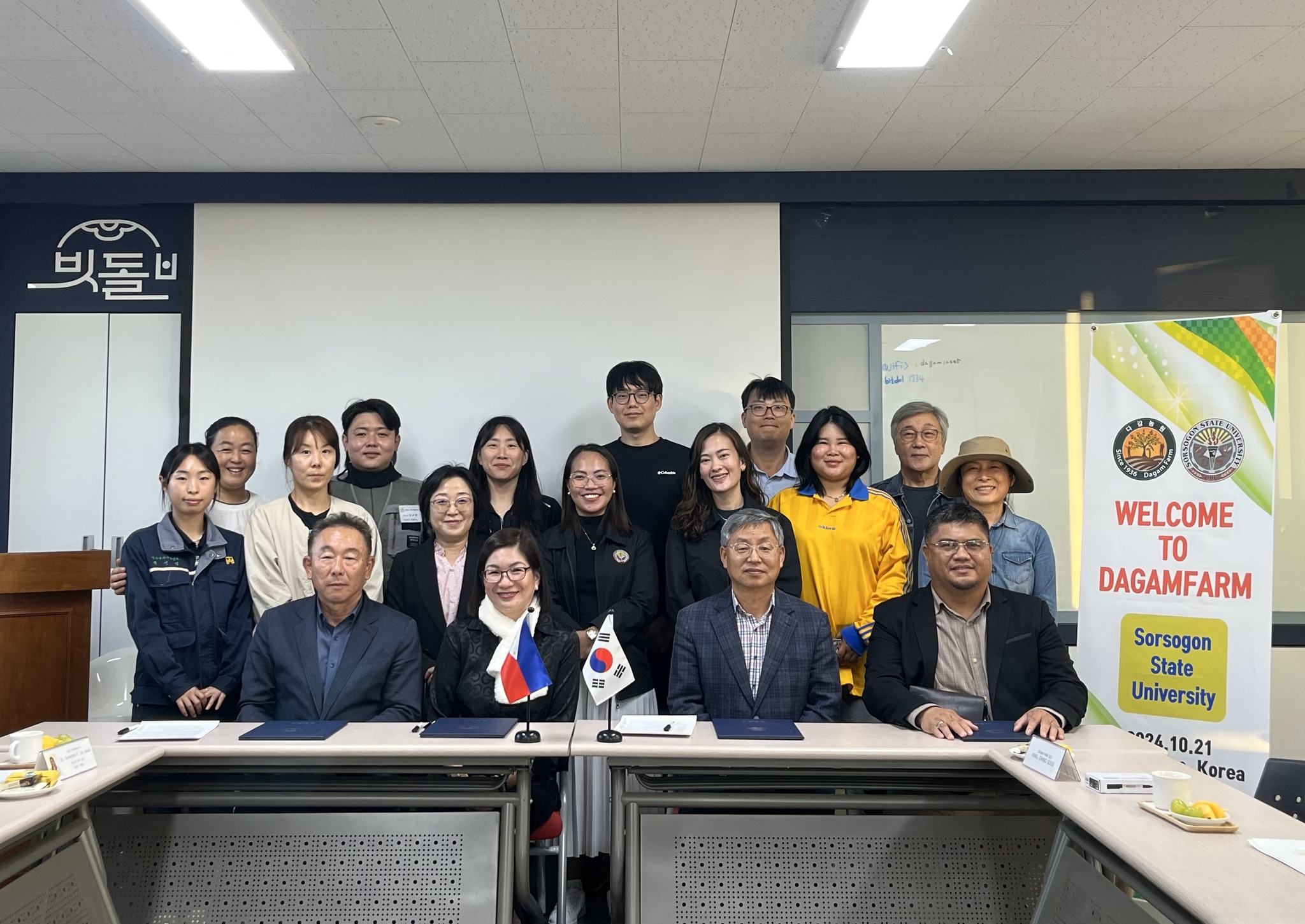
Collaborations with agencies like the Department of Trade and Industry (DTI), Philippine Crop Insurance Corporation (PCIC), and Bureau of Fisheries and Aquatic Resources (BFAR) enhance the livelihoods of local farmers and food producers. International partnerships, such as those with Dagam Farm in South Korea and participation in AGRICO 2023 in Bali, reflect SorSU’s expanding role in global agricultural and food security dialogues.
Access and Support for Local Farmers and Food Producers
Through the PILI FabLab and shared service facilities, SorSU provides technological and entrepreneurial support to local farmers and agri-entrepreneurs. Events such as the Groundbreaking of the PiliPINAS Center and collaborative programs with SERDEF demonstrate the University’s continuous effort to strengthen regional food systems and empower small-scale producers.
Overall, SorSU’s integrated approach—combining research, education, community extension, and institutional action—illustrates its strong alignment with SDG 2: Zero Hunger, ensuring that sustainable, equitable, and resilient food systems are fostered both on and beyond its campuses.
(More data available at https://sorsu.edu.ph/sdg-2-zero-hunger/)
Data set for SDG 2 – Zero Hunger
Research on Hunger
A Framework to Assess Solar PV Irrigation System (SPIS) for Sustainable Rice Farming in Sorsogon, Philippines
Towards the Preparation of Modified Hyflex Learning Scheme: The Case of University Agriculture Courses in the Philippines
Campus food waste
Campus food waste tracking
– Whole university: 24.62 mt | Link 1 |
– Partial measurement:
Campus food waste
– Total food waste: 24.62 mt
– Campus population: 17,839
Student hunger
Student food insecurity and hunger: | Canteen MOA | BUSOG PUSO Program
SorSU bolsters int’l ties through agricultural and academic collaborations in South Korea – SORSOGON STATE UNIVERSITY
SorSU Castilla Campus celebrates National Agriculturists’ Month – SORSOGON STATE UNIVERSITY
SorSU enters partnership with Cabid-an LGU, DTI – Sorsogon and TESDA to enable cooperation for capacity building and training – SORSOGON STATE UNIVERSITY
Students hunger interventions:
Project Proposal – Busog Puso
SorSU-Supreme Student Council Sorsogon City Campus launches “Free Breakfast” for students – SORSOGON STATE UNIVERSITY
SorSU OVP for Administration and Finance provides free breakfast for Sorsogon City Campus students – SORSOGON STATE UNIVERSITY
SorSU OP sponsors free breakfast for 404 SorSUeno students in Sorsogon City Campus, Baribag Extension Campus – SORSOGON STATE UNIVERSITY
Sustainable food choices on campus:
– All food outlets
Sustainable food choices on campus – Google Drive
– Selected food outlets
Office of Student Development and Services – SORSOGON STATE UNIVERSITY
Healthy and affordable food choices
– All food outlets
Sustainable food choices on campus – Google Drive
– Selected food outlets
Office of Student Development and Services – SORSOGON STATE UNIVERSITY
– Staff hunger interventions | Link 1 |
Proportion of graduates in agriculture and aquaculture including sustainability aspects
Proportion of graduates in agriculture and aquaculture:
Number of graduates: 2,532
Number of graduates from agriculture and aquaculture courses including sustainability aspects: 312
National Hunger
Access to food security knowledge
SorSU-Castilla Campus conducts Two-day Seminar Workshop on Nursery Management and Asexual Propagation of Pili – SORSOGON STATE UNIVERSITY
SorSU pursues another global linkage — inks MOU with Dagam Farm in South Korea, student internship & scholarship opportunities await – SORSOGON STATE UNIVERSITY
DTI holds SSF Donation Ceremony to 13 Cooperators — turns over 2 shared service facility projects to SorSU – SORSOGON STATE UNIVERSITY
DTI turns over Flatbed Cutting Machine to Sorsogon PILI FabLab following sealed MOA with SorSU on the Shared Service Facilities (SSF) Project – SORSOGON STATE UNIVERSITY
Engr. Charleen Grace V. Deniega Represents SorSU at AGRICO 2023 in Bali – SORSOGON STATE UNIVERSITY
Sorsogon State University’s Project L.I.F.T. Conduct GMP training for Buhatan’s Nipa Vinegar Production – SORSOGON STATE UNIVERSITY
SorSU signs MOA with PCIC, BFAR-NSTDC – SORSOGON STATE UNIVERSITY
Day Care Kids Join ‘SorSU ARK’ Program – SORSOGON STATE UNIVERSITY
Day Care Kids Join ‘SorSU ARK’ Program – SORSOGON STATE UNIVERSITY
SorSU and UPLB convene in preparation for 7th AgriMOVE Symposium scheduled on April 2024 – SORSOGON STATE UNIVERSITY
SorSU signs MOA with PCIC, BFAR-NSTDC – SORSOGON STATE UNIVERSITY
SorSU officials participate in two-day Conference on Sectoral Means for International Collaboration (COSMIC) 2024 at CBSUA, CamSur – SORSOGON STATE UNIVERSITY
Events for local farmers and food producers
Events for local farmers and food producers – Google Drive
WEBINAR: Alternative feeding and health management of Improved/Native Chicken and Organic Fertilizer Utilization – SORSOGON STATE UNIVERSITY
Sorsogon State University’s Project L.I.F.T. Conduct GMP training for Buhatan’s Nipa Vinegar Production – SORSOGON STATE UNIVERSITY
SorSU-Castilla Holds Groundbreaking Ceremony of PiliPINAS Center – SORSOGON STATE UNIVERSITY
Nurturing Growth: SorSU Castilla’s Journey to Empower Pili Farmers Through Seedling Success – SORSOGON STATE UNIVERSITY
SorSU Castilla Conducts Two-Day Monitoring of Dispersed Pili Seedlings to Farmers – SORSOGON STATE UNIVERSITY
University access to local farmers and food producers
DTI turns over Flatbed Cutting Machine to Sorsogon PILI FabLab following sealed MOA with SorSU on the Shared Service Facilities (SSF) Project – SORSOGON STATE UNIVERSITY
SorSU seals MOU with Small Enterprises Research and Development Foundation Inc. (SERDEF) — to boost collaboration in areas of entrep education, research, extension & training – SORSOGON STATE UNIVERSITY
SorSU bolsters int’l ties through agricultural and academic collaborations in South Korea – SORSOGON STATE UNIVERSITY
Sustainable food purchases
Office Memorandum No. 67B, s, 2023 – Compliance with Procurement Rules and Support to Local Agricultural and Fishery Products
Community Engagement | Link 1 |
Contract of Lease
Partnership with the Provincial Agriculturist of Sorsogon
Acknowledgement Receipts
Related Laws
1. Republic Act No. 11321 (Sagip Saka Act) – An Act Promoting Agricultural and Fishery Products to Government Agencies by Direct Procurement from Farmers and Fisherfolks
2. GPPB Circular No. 01-2020 – emergency procurement
3. Republic Act No. 12009 (New Government Procurement Act) – Governs modernized procurement including inclusive procurement principles
4. Republic Act No. 9184 (Government Procurement Reform Act) – All procurement must still be consistent with this law (and its IRR) when sourcing from farmers/MSMEs.
5. GPPB Resolution No. 18-2021 – approving rules for procurement of Agri/fishery products from accredited farmers/fisherfolk
SorSU’s Commitment to Quality Education and Lifelong Learning (SDG 4)
SorSU upholds its mission of providing inclusive, equitable, and lifelong learning opportunities for all through research, academic innovation, professional training, and community education programs that empower learners across different life stages.
Research on Early Years and Lifelong Learning
SorSU’s research initiatives reflect a deep commitment to improving teaching quality, advancing educational access, and enhancing learning outcomes. Studies such as “Effects of Game-Based Activities on Students’ Social Skills and Attitudes Toward Learning Science,” “Digital Badges as Rewards in Science Education,” and “Exploring Clinical Practice Education for Student Midwives” examine innovative teaching methods that strengthen learner engagement and professional readiness.
Other studies, including “Correlating Reasons for Student Dropouts and Socioeconomic Factors at a State University from a Rural Province in the Philippines” and “Crossing Boundaries: How Maranao Children in Sorsogon City Negotiate Their Cultural Identity through Situated Language Use and Discourse Practices,” explore educational equity and cultural inclusion, reinforcing SorSU’s role as a catalyst for lifelong and culturally responsive learning.
Graduates with Teaching Qualifications
Out of 2,532 total graduates, 149 earned qualifications that enable them to teach at the primary education level, highlighting SorSU’s contribution to producing competent educators ready to serve both local and national educational needs.
Lifelong Learning and Public Access to Education
SorSU’s lifelong learning initiatives extend beyond the classroom, providing training, mentorship, and capacity-building opportunities to the broader community.
Project ACCESS (Augmenting Capacities of Cooperatives, and Micro, Small & Medium Enterprises towards Sustainable Services) trains cooperative members and MSMEs through seminars and mentoring led by SorSU faculty experts, positioning the University as an accredited training provider of the Cooperative Development Authority (CDA).
Project Tech Revive supports the students, faculty, and staff of Saint Louise de Marillac School of Bulan, Inc., through technology repair and revitalization programs.
Project FISHNET mobilizes faculty and students as trainers and facilitators to deliver community-based training and capacity-building activities in coastal and rural communities.
The Book Fair 2024 promotes reading literacy and access to updated learning resources among students and educators.
The SorSU College Behind Bars Program provides incarcerated individuals with access to higher education, embodying the University’s strong advocacy for inclusive and transformative lifelong learning opportunities.
Overall, SorSU’s broad range of educational research, teaching programs, and community learning initiatives clearly demonstrate its alignment with SDG 4: Quality Education—ensuring that learning remains a lifelong, accessible, and empowering pursuit for all.
(More data available at https://sorsu.edu.ph/sdg-4-quality-education/)
Data Set for SDG 4 – Quality Education
Research on Early Year & Lifelong Learning Education
Exploring faculty profile and technology transfer initiatives of a newly-instated state university in the Philippines
Effects of Game-Based Activities on Student’s Social Skills and Attitudes Toward Learning Science (Student’s Social Skills and Attitudes Towards Learning Science Using Game-based Activities)
The Social Support Systems and Needs of Private SHS Teachers in Writing Research
Digital Badges as Rewards in Science Education: Students’ Perceptions and Experiences
Exploring Clinical Practice Education for Student Midwives: Hospital and Community Opportunities and Challenges
Integrated Science, Technology, Engineering, and Mathematics – Problem-Based Learning – Education for Sustainable Development (I-STEM-PBL-ESD) Framework
Crossing Boundaries: How Maranao Children in Sorsogon City Negotiate Their Cultural Identity through Situated Language Use and Discourse Practices
Correlating Reasons for Student Dropouts and Socioeconomic Factors at a State University from a Rural Province in the Philippines (Old Title: Tracing the College dropouts amidst the free tuition law: The case of SSC-Bulan Campus)
Towards the Preparation of Modified Hyflex Learning Scheme: The Case of University Agriculture Courses in the Philippines
Proportion of graduates with teaching qualification
Proportion of graduates with relevant qualification for teaching
Number of graduates: 2,532
Number of graduates who gained a qualification that entitled them to teach at primary school level:149
Lifelong learning measures
Public resources (lifelong learning)
1. Project ACCESS (Augmenting Capacities of Cooperatives, and Micro, Small & Medium Enterprises towards Sustainable Services)
– Expertise as Public Resources
– SorSU personnel as resource speakers to trainings/seminars (mentoring, coaching, consultancy services) SorSU as accredited training provider of CDA
(Risk and Management Credit Seminar- December 2023)
| Link 1 | Link 2 |
2. Project Tech Revive – (Beneficiaries: Students, Faculty and Staff of Saint Louise de Marillac School of Bulan, Inc. (SLMSB))
– Expertise and services as Public Resources
| Link 1 | Link 2 |
3. PROJECT FISHNET
Provide faculty extensionists and students as trainer, resource speaker and student extensionists as facilitators
| Link 1 | Link 2 |
4. Book Fair 2024
| Book Fair 2024 Letter | Requested Books 2024 | Book Fair 2024 Article |
5. SorSU College Behind Bars Program
| MOA Signing | College Behind Bars Program Article | College Education Behind Bars Extension |
Courses leading to certificate or award
– LOTUS 3.0 (LOcalized TUtorial Services- PARENTS’ EDUCATION FOR CHILD-LEARNING SUCCESS
– Parents’ Education for Child Learning Success (SorSU BOR Resolution No. 80-2024)
– College Education Behind Bars Extension to BJMP – Irosin District
Access to campus facilities and equipment
| DTI – Grow Negosyo | Shared Service Facilities (SSF) Project | Long Term MOA for the DTI-Shared Facility in SorSU Magallanes Campus | Ceremonial Donation of Shared Services Facilities Projects of the Department of Trade and Industry |
Access to online resources
1. Capacity Building on Kotobee Software and Utilization of Electronic Self-directed Interactive Modules in Science (Report) (MOA) |
2. Project LOTUS
Public events (lifelong learning)
1. Tertulyang Pampanitikan 2024 (April) Panitikang Bikolnon: daluyan sa Nagkakabuklod na Wika at Kultura ang Sorsoguenos
2. AgriMOVE Symposium
3. Book Fair 2024
| Book Fair 2024 Letter | Requested Books 2024 | Book Fair 2024 Article |
4. Project ACCESS (Augmenting Capacities of Cooperatives, and Micro, Small & Medium Enterprises towards Sustainable Services) – (Risk and Management Credit Seminar- December 2023) | Project Access MOA | Cooperative Development Authority | Basic Accounting for Non-Accountants | PEC & SWOT ANALYSIS with Seaweed Farmers | Seminar on Parliamentary Procedures |
Vocational training events (lifelong learning)
1. Training on Pili Processing, Packaging, and Labeling (for Pili Processors in Sorsogon province) March 2024 | Report |
2. Project DRIVEN (Developing and Refining ICT Capabilities for Creative Side of Technology) Component 1- 2023-2024 | MOA with San Francisco National High School | E-LEKSYON: YOUTH VOTERS’ NARRATIVE REPORT | Sim Card Registration Assistance |
3. Pinoy Reading Buddies | MOA – Pinoy reading Buddies |
Education outreach activities beyond campus
1. Project LOTUS
2. Community Outreach Program 2024 for 20 pupils of Monbon Elem School, Irosin (Personal hygiene and good nutrition)
A policy that ensures that access to these activities is accessible to all, regardless of ethnicity, religion, disability immigration status or gender.
1. Memo on Lifelong Learning Policy – VPAA Memorandum No. 69, s. 2023
2. Admission Policies
3. SorSU signs MOA on “Parents Education for Child Learning Success” with DSWD
4. Short-term Course/Curriculum (Non-Degree Program) for Parents or Guardian titled “Parents’ Education for Child Learning Success”
Proportion of first-generation students
Proportion of first-generation students
Number of students starting a degree: 5,495 | Link 1-1st Year-1st Semester, AY 2023-2024 | Link 2-1st Year-2nd Sem AY 2023-2024 |
Number of first-generation students starting a degree: 1,367 | Link 1 – First Generation Report |
SorSU’s Commitment to Gender Equality and Women’s Empowerment (SDG 5)
SorSU champions gender equality, inclusivity, and women’s empowerment through its policies, academic programs, research initiatives, and institutional practices that ensure equal opportunities for all members of its community.
Research on Gender Equality
SorSU contributes to advancing gender-sensitive scholarship through research that highlights women’s roles in education, health, and community development. The study “Exploring Clinical Practice Education for Student Midwives: Hospital and Community Opportunities and Challenges” focuses on a female-dominated health profession, examining both the empowerment and challenges faced by women in healthcare education and practice. This research strengthens SorSU’s advocacy for gender-responsive curriculum and workplace environments.
Women’s Access to Higher Education
The University remains committed to widening access to education for women, particularly those who are first-generation learners. In Academic Year 2023–2024, SorSU recorded 2,706 female students starting degree programs, with 453 identified as first-generation women students. This demonstrates SorSU’s success in breaking educational barriers and promoting gender-inclusive access to higher learning.
Policies supporting women’s applications and entry, alongside targeted mentoring, scholarships, and access schemes, ensure equitable opportunities for women’s advancement. The University also encourages women’s participation in underrepresented disciplines, such as STEM and technical fields, through outreach programs and collaborations with other universities, government agencies, and NGOs at the regional and national levels.
Women in Leadership and Academic Achievement
SorSU fosters gender balance in leadership, with female senior academics comprising 63 out of 127 senior faculty members—representing nearly half of all leadership positions. This reflects the University’s commitment to women’s representation in decision-making roles.
Among the 2,532 graduates, 1,474 were women, distributed across all disciplines: 663 in STEM, 191 in Medicine and allied fields, and 620 in Arts, Humanities, and Social Sciences—underscoring women’s growing presence and success in both traditional and emerging fields.
Policies and Support for Women and Families
The University upholds a comprehensive policy framework promoting gender equity and non-discrimination. This includes policies protecting women and transgender individuals from discrimination, as well as supportive provisions such as maternity and paternity leave, and childcare facilities for both students and staff. SorSU also implements mentoring schemes for women, tracks their graduation and career progression, and ensures that individuals reporting discrimination are protected under institutional policy.
SorSU’s integrated approach—spanning research, leadership representation, equitable access, and policy implementation—demonstrates a deep institutional commitment to SDG 5: Gender Equality. The University continues to cultivate a campus culture where women and all gender identities are empowered to thrive, lead, and contribute to sustainable development.
(More data available at https://sorsu.edu.ph/sdg-5-gender-equality/)
Data set for SDG 5 – Gender Equality
Research on Gender Equality
• Exploring Clinical Practice Education for Student Midwives: Hospital and Community Opportunities and Challenges (Focus on a female-dominated health profession)
Proportion of first-generation female students
Proportion of women first-generation
5.2.1 Number of women starting a degree: 2,706
– Number of Women Starting a Degree-1st Sem AY 2023-2024
– Number of Women Starting a Degree-2nd Sem AY 2023-2024
5.2.2 Number of first-generation women starting a degree: 453
– Proportion of First-Generation Female Students Year 2023
5.2.3 Number of Students starting a degree – 5,170
Students Starting a Degree Link 1
5.2.4 Number of first-generation students starting a degree – 728
– Proportion of First-Generation Female Students Year 2023
5.2.5 Number of students – 17,165
Student access measures
Tracking access measures | Link 1 |
– Reiteration of Policy on Students Admission Pursuant to the BOR – Approved Academic Manual
– Students Handbook – Admission Policies (Page 5)
Policy for women applications and entry | Link 1 |
– Reiteration of Policy on Students Admission Pursuant to the BOR – Approved Academic Manual
Women’s access schemes
Mentoring
Scholarship
– 5.3.3 Scholarships – Learning Development Program
– List of Students Receiving Scholarship
– List of Female Employees with Scholarship
– Student access measures (Scholarship Women)
Other provision
– Reiteration of Policy on Students Admission Pursuant to the BOR – Approved Academic Manual
Women’s application in underrepresented subjects | Link 1 |
Encourage applications by women in subjects where they are underrepresented.
– 5.3.4 Women’s application in underrepresented subjects
– Reiteration of Policy on Students Admission Pursuant to the BOR – Approved Academic Manual
Proportion of senior female academics
Proportion of senior female academics: 63 females and 64 male
Number of senior academic staff: 127
Number of female senior academic staff: 63
Proportion of women receiving degrees
Proportion of female degrees awarded: 1,474
Number of graduates: 2,532
Number of graduates by subject area (STEM, Medicine, Arts & Humanities / Social Sciences): 2,373
Number of graduates – STEM: 1,376
Number of graduates – Medicine: 202
Number of graduates – Arts & Humanities / Social Sciences: 795
Number of female graduates by subject area (STEM, Medicine, Arts & Humanities / Social Sciences): Total: 1,474
Number of female graduates – STEM: 663
Number of female graduates – Medicine: 191
Number of female graduates – Arts & Humanities / Social Sciences: 620
Women’s progress measures
Policy of non-discrimination against women
Non-discrimination policies for transgender
– Policy of non-discrimination against women
– Reiteration of Policy on Students Admission Pursuant to the BOR – Approved Academic Manual
Maternity policy
Childcare facilities for students
– Pink Room – Lactation Break Room (Page 19)
– Child Minding Center Proposal (Page 25)
– CHED-UNIFAST MC No. 02, s. 2023 – Standardized Guidelines on the Implementation of the Tulong Dunong Program for State Universities and Colleges for the First Semester of Acadmeic Year 2023-2024
– CHED-UNIFAST MC No. 05, s. 2023 – Tertiary Education Subsidy (TES) Slots for Fiscal Year 2023
Childcare facilities for staff and faculty
– Pink Room – Lactation Break Room (Page 19)
– Child Minding Center Proposal (Page 25)
Women’s mentoring schemes
Track women’s graduation rate
Policies protecting those reporting discrimination
Paternity policy
SorSU’s Commitment to Decent Work and Economic Growth (SDG 8)
SorSU actively supports sustainable economic growth, decent employment, and equitable workplace practices by integrating economic development goals into its research agenda, institutional policies, and community programs. Through its commitment to fair labor, inclusive growth, and responsible resource management, the University contributes to building resilient communities and an empowered workforce in the Bicol region and beyond.
Research on Economic Growth and Employment
SorSU’s research initiatives reflect a multifaceted approach to understanding and improving local and national economic systems. The study “Exploring Faculty Profile and Technology Transfer Initiatives of a Newly-Instated State University in the Philippines” investigates how higher education institutions can serve as catalysts for innovation and regional productivity through faculty development and knowledge transfer.
Meanwhile, “Seaweed Crop Insurance in Sorsogon” focuses on strengthening economic resilience among small-scale seaweed farmers by exploring sustainable risk management practices for coastal livelihoods—an essential component of the province’s blue economy.
The University’s research “The Social Support Systems and Needs of Private Senior High School Teachers in Writing Research” addresses employment stability and professional development, while “Exploring the Sobre Vote-Buying in Rural Villages: The Live Experiences of Poor Voters in the Philippines” sheds light on how economic vulnerabilities influence political and social participation. Collectively, these studies emphasize SorSU’s strong link between education, employment, and inclusive economic empowerment.
Employment Practices and Workforce Well-Being
SorSU ensures decent work conditions for all employees through institutionalized policies that promote living wages, job security, and fair treatment. The University provides clear documentation of employment practices, including overtime pay, service credits, and equitable compensation guided by National Budget Circular No. 594 and the Salary Adjustment 2024.
The University’s Non-Teaching Association and Faculty Organization maintain active dialogue and transparency through public minutes, assemblies, and published reports, upholding employees’ freedom of association and collective bargaining rights. Labor relations are strengthened by grievance mechanisms, such as the SorSU College Code on Grievance and updates to the Committee on Decorum and Investigation (CODI), ensuring that all personnel have access to fair and confidential appeal processes.
SorSU also maintains non-discriminatory employment policies, including an Equal Opportunity Plan, a Non-Discrimination Policy for Transgender Individuals, and the Use of Non-Sexist Language in all official communications. These measures reinforce inclusivity, gender equality, and respect in the workplace.
Commitment to Ethical Labor and Modern Employment Standards
The University strictly adheres to national labor standards that prohibit exploitative or forced labor, ensuring fair workload compensation and service credits for faculty and staff involved in accreditation and institutional activities. Transparent employment postings, open to the public, reflect the University’s adherence to fair hiring and promotion practices.
Outsourced workers are also covered under equivalent rights and protections, demonstrating SorSU’s commitment to ethical employment across all sectors of its operations.
Workforce Equity, Representation, and Pay Scale Monitoring
SorSU monitors pay scale equity and gender representation across its workforce through gender-disaggregated tracking systems and visualized reports on wage parity and gender equity. With 674 total employees, of which 345 hold contracts exceeding 24 months, SorSU provides a high proportion of secure employment, reflecting institutional stability and commitment to long-term professional development.
Financial transparency is maintained through the Consolidated Statement of Financial Performance (2024), showing a university expenditure of ₱609,603,418.51, which includes staff development, compensation, and benefits—an investment in human capital that sustains institutional excellence.
Student Employment and Industry Experience
SorSU also promotes employability through experiential learning. Out of 17,165 students, 1,138 participated in work placements lasting more than a month, gaining practical experience that enhances job readiness and professional competence. These opportunities bridge the gap between academic learning and the labor market, preparing SorSU graduates to contribute effectively to regional and national economies.
In essence, SorSU’s integrated strategy—combining research-driven insights, ethical employment policies, and student employability programs—demonstrates its full commitment to SDG 8: Decent Work and Economic Growth. The University not only sustains a fair, inclusive, and equitable workplace for its employees but also equips its students and partner communities with the skills, values, and opportunities to thrive in an evolving economy.
(More data available at https://sorsu.edu.ph/sdg-8-decent-work-and-economic-growth/)
Data set for SDG 8 – Decent Work and Economic Growth
Research on economic growth and employment
Exploring faculty profile and technology transfer initiatives of a newly-instated state university in the Philippines
Seaweed crop insurance in Sorsogon
The Social Support Systems and Needs of Private SHS Teachers in Writing Research
Exploring the Sobre Vote-Buying in Rural Villages: The Live Experiences of Poor Voters in the Philippines (Linked to economic aspects of political processes)
Employment practice
Employment practice living wage
Employment practice unions
– SorSU Non-Teaching Association Public Minutes | 2023 | 2024 |
– SorSU Sorsogon City Faculty Organization Public Minutes | Communication | Report |
Employment policy on discrimination
– Announcement of Vacancies (For Public)
– Equal Opportunity Plan
– Non-Discrimination Policy for Transgender Individuals with Gender Conforming Uniform
– Use of Non-Sexist Language in All Official Documents Communications and Issuances
– Publication 2024 & MSP
– Publication Posted in Bulletin for Public
– TWG for Faculty Manual Revision
Employment policy modern slavery
– Overtime Pay during 2022 AACUP Accreditation
– Office Order – Teaching Overload 1st Sem 2023-2024 (Service Credit)
– Office Order – Teaching Overload 1st Sem 2023-2024
– Office Order – Teaching Overload 2nd Sem 2023-2024
– Request for Overtime AACCUP Accreditation – BSHM BSTM BTVTEd BSEd BT 2023
– Request Letter for Overtime during AACCUP Accreditation 2022
– Request Letter for Overtime during AACCUP Extension – BT BSEd 2024
Employment practice equivalent rights outsourcing
– Contracts with outsource services
Employment policy pay scale equity
– Employment policy pay scale equity (Policy)
– NATIONAL BUDGET CIRCULAR NO-594
– Salary Adjustment 2024
Tracking pay scale for gender equity
– Graphical Representation Gender Equity
– Graphical Representation Wage Pay Equity
Employment practice appeal process
– SorSU College Code on Grievance
– SorSU Office Order 065 – Updates on CODI 2024
– SorSU Office Order 112 – Updates on CODI 2024
– SorSU Office Order CODI Members 2025
– SorSU Office Order PIC and CODI Secretary 001
Recognize labor rights (Freedom of association and collective bargaining) for all, including women and international staff
– SorSU Non-Teaching Association Public Minutes | 2023 | 2024 | Program 2023 | Program 2024 |
– SorSU Sorsogon City Faculty Organization Public Minutes | Communication | Program of General Assembly | Constitution and By-Laws of the SSCFO-SCI |
Expenditure per employee | Link 1 |
Number of employees: 674
University expenditure: 609,603,418.51
– Consolidated Condensed Statement of Financial Performance 2024 – All Funds
– Consolidated Detailed Statement of Financial Performance 2024 – All Funds (1)
– Consolidated Detailed Statement of Financial Performance 2024 – All Funds
Proportion of students taking work placements
Proportion of students with work placements:
Number of students with work placements for more than a month: 1,138
– Number of Students (Request Access): 17,165
– Number of Students with work Placements
Proportion of employees on secure contracts
Number of employees: 674
Number of employees on contracts of over 24 months: 345
– No. of Employees on Contract as of December 2024
SorSU’s Commitment to Life Below Water initiatives (SDG 14)
SorSU continues to demonstrate its strong commitment to the sustainable management of marine and freshwater resources through research, extension, policy development, and inter-institutional collaboration. Its diverse initiatives under SDG 14: Life Below Water collectively aim to conserve aquatic ecosystems, promote sustainable fisheries, and enhance the resilience of coastal communities in Sorsogon and neighboring provinces.
Advancing Aquatic Research and Biodiversity Studies
SorSU has been actively engaged in research that advances scientific understanding of marine biodiversity and supports the sustainable utilization of aquatic resources. Recent projects include:
“Selection of Fast-Growing Seaweed Cultivars in Palawan, Philippines,” which investigates high-yield and resilient seaweed strains to improve local aquaculture practices;
“New Record of Gracilaria phuquocensis (Gracilariaceae, Rhodophyta) in the Philippines,” documenting a new seaweed species that contributes to the country’s biodiversity inventory;
“Seaweed Diversification Driven by Taiwan’s Emergence and the Kuroshio Current,” exploring phylogeographic patterns of Dichotomaria species that enrich regional understanding of oceanic ecological systems; and
“Seaweed Crop Insurance in Sorsogon,” a pioneering research initiative linking marine livelihood protection to climate resilience and economic sustainability.
Complementing these marine-focused projects, SorSU’s “Mangrove Reforestation, Protection, and Conservation Initiatives: The Case of Sorsogon Bay Rompeolas” highlights the University’s active role in maintaining coastal ecosystems that serve as nurseries for fish and other marine species. This project integrates research, reforestation, and community participation, emphasizing mangroves’ ecological and socio-economic value.
Supporting Aquatic Ecosystems Through Education and Outreach
SorSU integrates environmental education and awareness into its extension and outreach programs, engaging both students and local communities in aquatic ecosystem protection.
Activities such as the Tilapia Fry Dispersal Project, FishCon2024, and Project HATE (Headway Towards Awareness on Trends and Research Experiences in Marine Plastic Pollution) demonstrate the University’s sustained commitment to fostering ecological literacy. These programs involve collaborative seminars, workshops, and field-based learning experiences addressing topics such as marine plastic pollution, responsible fisheries, and water resource management.
Notable educational outputs include awareness articles and campaigns like “From Spark to Waves, We’re Making Marine History,” “Kicking Off the Month of the Ocean 2025,” and “Scuba Diving in Sorsogon: Challenges, Victories, and Foresight.” These initiatives communicate the importance of marine conservation to both academic and non-academic audiences.
Promoting Sustainable Fisheries and Responsible Marine Stewardship
Through multi-sector partnerships and extension activities, SorSU promotes sustainable aquaculture and marine resource management. The University’s collaboration with the Bureau of Fisheries and Aquatic Resources (BFAR), Local Government Units (LGUs), and World Wide Fund for Nature (WWF) resulted in education-driven programs that train local fisherfolk, teachers, and students in responsible fishing and aquaculture practices.
The Marine Plastic Pollution Seminar-Workshop and community projects under Project HATE are key examples of how SorSU integrates research with outreach, addressing both environmental and livelihood concerns.
Furthermore, SorSU’s initiatives during Fisheries Conservation Week (2023) and FishCon2024 encouraged dialogues and activities promoting sustainable fishing and awareness on overfishing, illegal, and unregulated fishing practices.
Monitoring, Policy Development, and Ecosystem Stewardship
SorSU also plays a vital role in shaping local policies and monitoring aquatic health. The Policy Brief on Marine Plastic Pollution: Occurrence of Microplastic in Sorsogon Bay by Prof. Ariel Malto offers evidence-based recommendations for reducing marine pollution and strengthening local waste management frameworks.
Meanwhile, Project STREAMS (Status of Rehabilitation Efforts for Mangrove Seedlings in the Province of Sorsogon) monitors ecosystem recovery and supports mangrove restoration efforts through data-driven assessment. Complementary administrative directives such as Memo 01-s.2024 (Waste Quality Management) and Memo 06-s.2022 (Waste Quality Guidelines) ensure proper water discharge standards and waste management practices across the university campuses.
Collaborative and Industry-Linked Marine Research
SorSU has initiated international and inter-institutional linkages to strengthen marine research. Exploratory talks with Kochi University (Japan) focus on future collaborations in marine science and coastal resource management. In addition, the University’s BS Fisheries and Aquatic Sciences (BSFAS) students actively participate in field studies and aquatic ecology assessments, fostering early research engagement and environmental responsibility among the youth.
Sustaining Local Aquatic Ecosystems and Community Partnerships
In collaboration with the local community, SorSU continues to maintain shared aquatic ecosystems through field immersions and restoration drives. Notably, the SorSU-Magallanes Campus Environmental Immersion in Prieto Diaz, Sorsogon involved hands-on mangrove planting and coastal cleanup activities that strengthened community-based stewardship of marine and freshwater habitats.
These initiatives align with the University’s strategic direction to create sustainable linkages between research, education, and community action, reflecting SorSU’s integrated approach to achieving SDG 14: Life Below Water.
Through a synergistic blend of research innovation, community engagement, and evidence-based policymaking, Sorsogon State University has established itself as a regional leader in marine conservation and aquatic sustainability. Its initiatives—from seaweed biodiversity studies to mangrove rehabilitation, marine plastic research, and fisheries education programs—underscore the University’s role in safeguarding aquatic ecosystems and empowering coastal communities toward sustainable development.
(More data available at https://sorsu.edu.ph/sdg-14-life-below-water/)
Data set for SDG 14 – Life below Water
Research on life below water
– Selection of fast-growing seaweed cultivars in Palawan, Philippines
– New Record of Gracilaria phuquocensis (Gracilariaceae, Rhodophyta) in the Philippines
– Seaweed diversification driven by Taiwan’s emergence and the Kuroshio Current: insights from the cryptic diversity and phylogeography of Dichotomaria (galaxauraceae, Rhodophyta)
– Seaweed crop insurance in Sorsogon
– Mangrove Reforestation, Protection, and Conservation Initiatives: The Case of Sorsogon Bay Rompeolas, Philippines (Mangroves support marine life)
Supporting aquatic ecosystems through education
Fresh-water ecosystems (community outreach)
– Narrative Report for the Tilapia Fry Dispersal
– FishCon2024 – Proposal
– FishCon Accomplishment Report
– Article: From Spark to Waves, We’re Making Marine History
– Reel: Blue Dive Activity
– Article: Kicking Off the Month of the Ocean 2025
– Article: Scuba Diving in Sorsogon: Challenges, Victories, and Foresight
Sustainable fisheries (community outreach)
Offer educational programme or outreach for local or national communities on sustainable management of fisheries, aquaculture and tourism
– Seminar-Workshop on Marine Plastic Pollution, an Extension Activity to the Project HATE: Marine Plastic Pollution November 2023
– Narrative Report: Project HATE Marine Plastic Pollution (Headway towards Awareness on Trends and research Experiences in Marine Plastic Pollution)
– MOA with BFAR – Provincial Fisheries Office for Project Headway
– MOA with LGU of Magallanes, Sorsogon
– MOA with Magallanes National High School
– MOA with World Wide Fund (WWF)
– Narrative Report: Tilapia Fry Dispersal
– MANKnow Mangrove Awareness and Knowledge
– Article: From Spark to Waves, We’re Making Marine History
– Reel: Blue Dive Activity
– Article: Kicking Off the Month of the Ocean 2025
– Article: Scuba Diving in Sorsogon: Challenges, Victories, and Foresight
Overfishing (community outreach)
Offer educational outreach activities for local or national communities to raise awareness about overfishing, illegal, unreported and unregulated fishing and destructive fishing practices
– FishCon2024 – Proposal
– FishCon Accomplishment Report
Supporting aquatic ecosystems through action
Conservation and sustainable utilization of the oceans (events)
Support or organize events aimed to promote conservation and sustainable utilization of the oceans, seas, lakes, rivers and marine resources
– Fisheries Conservation Week 2023
– FishCon2024 – Proposal
– FishCon Accomplishment Report
– Narrative Report: Tilapia Fry Dispersal
– Article: From Spark to Waves, We’re Making Marine History
– Reel: Blue Dive Activity
– Article: Kicking Off the Month of the Ocean 2025
– Article: Scuba Diving in Sorsogon: Challenges, Victories, and Foresight
Food from aquatic ecosystems (policies)
– Article: Scuba Diving in Sorsogon: Challenges, Victories, and Foresight
– CAD-Memo-04A-s.-2024_Sustainable Food Production
– Policy Development Plan of BIGANI Association
– Policy LGU Ordinance Supporting Extension Project of the SorSU Magallanes Campus
Technologies towards aquatic ecosystem damage prevention (direct work)
– Flood Modeling
– Solid Waste Management Practices
Maintain ecosystems and their biodiversity (direct work)
Work directly (research and/or engagement with industries) to maintain and extend existing ecosystems and their biodiversity, of both plants and animals, especially ecosystems under threat
– SorSU and Kochi University start exploratory talk on marine research initiatives
– IN PHOTOS: Exploring and assessing our aquatic ecology resources with BSFAS students
Water sensitive waste disposal
Water discharge guidelines and standards
– CAD – Memo_01-s. 2024-Waste Quality Management
– CAD – Memo-06-s. 2022-Waste Quality Guidelines
Action plan to reducing plastic waste
– ESMC-Memorandum-on-Solid-Waste-Management-Practices
Reducing marine pollution (policy)
– Certificate of Copyright Registration by Prof. Ariel Malto (Policy Brief on Microplastic)
– Policy Brief: Marine Plastic Pollution – Occurrence of Microplastic in Sorsogon Bay
Maintaining a local ecosystem
Minimizing alteration of aquatic ecosystems (plan)
Monitoring the health of aquatic ecosystems
– Project STREAMS-Status of Rehabilitation Efforts for Mangrove Seedlings in the Province of Sorsogon, Philippines
Monitor the health of aquatic ecosystems
– Policy Brief: Marine Plastic Pollution – Occurrence of Microplastic in Sorsogon Bay
Programs towards good aquatic stewardship practices
– Policy Brief: Marine Plastic Pollution – Occurrence of Microplastic in Sorsogon Bay
Collaboration for shared aquatic ecosystems
Collaborate with the local community in efforts to maintain shared aquatic ecosystems
– SorSU-MC holds Two-Day Environmental Immersion in Prieto Diaz, Sorsogon
Watershed management strategy
SorSU’s Commitment to improve Life on Land (SDG 15)
SorSU actively supports the conservation, restoration, and sustainable use of terrestrial ecosystems through research, education, community engagement, and policy development. Under SDG 15: Life on Land, the University’s projects highlight the vital relationship between land, water, and human systems—addressing biodiversity preservation, watershed management, reforestation, and sustainable land use practices across Bicol and neighboring regions.
Research for Sustainable Land and Watershed Management
SorSU undertakes significant research that advances scientific understanding of land ecosystems, climate resilience, and integrated watershed management. The study “Projecting Hydrological Response to Climate Change and Urbanization Using the WEAP Model: A Case Study for the Main Watersheds of Bicol River Basin, Philippines” provides predictive analyses of how climate change and rapid land-use conversion affect watershed behavior. Similarly, “Water Evaluation and Planning Modeling into Integrated Water Resource Management: Assessing Climate Change Impacts on Future Surface Water Supply in the Irawan Watershed of Puerto Princesa, Philippines” explores sustainable water resource strategies, reinforcing SorSU’s leadership in hydrological and environmental modeling in the region. Complementing these, “Mangrove Reforestation, Protection, and Conservation Initiatives: The Case of Sorsogon Bay Rompeolas” demonstrates the University’s cross-cutting research in both life below water and life on land. This initiative emphasizes mangroves as vital buffers between terrestrial and marine ecosystems, mitigating coastal erosion, supporting biodiversity, and enhancing local community resilience against climate change impacts. Further contributing to biodiversity research, SorSU’s Short Communication: “Botanical Assessment and Conservation Status of Medicinal Plants in the Mountain Range of Malinao, Albay” documents native flora and evaluates their conservation status—adding critical knowledge on plant diversity and ethnobotanical resources in Bicol’s upland environments.
Supporting Land Ecosystems Through Education
SorSU integrates sustainability and biodiversity awareness into its educational and extension programs. Through training and seminars, the University engages students, faculty, and local communities in sustainable land and resource management practices. The Seminar-Workshop on Pili Propagation and Nursery Management and By-Products equips local farmers and entrepreneurs with science-based techniques on sustainable agriculture, emphasizing biodiversity-friendly farming systems and the economic potential of endemic crops such as Pili nut. Across academic departments, SorSU promotes environmental literacy through coursework and extension projects on sustainable agriculture, eco-tourism, and ecosystem-based land management. These initiatives provide communities with applied knowledge on maintaining soil fertility, restoring degraded lands, and conserving native species.
Supporting Land Ecosystems Through Action
SorSU’s commitment to land conservation is operationalized through policies and direct interventions that sustain, restore, and manage ecosystems. The University integrates environmental protection measures into institutional operations, ensuring that campus activities align with sustainable land-use principles. Policies such as the ESMC Memorandum on Solid Waste Management Practices serve as frameworks for responsible waste handling and reduction, minimizing land degradation and pollution. The University likewise upholds Water Discharge Guidelines and Standards to prevent contamination of soil and waterways, while its Policy on Hazardous Waste Disposal ensures that laboratory and research materials are managed in compliance with environmental safety standards. Beyond compliance, SorSU fosters practical conservation programs such as reforestation drives, tree planting, and mangrove rehabilitation, in partnership with Local Government Units (LGUs), Department of Environment and Natural Resources (DENR), and community stakeholders. These activities demonstrate the University’s sustained effort to rehabilitate degraded lands and restore local biodiversity.
Promoting Local Biodiversity and Sustainable Land Use
SorSU actively integrates biodiversity preservation into land-use planning and campus development. The University’s landscape maintenance and agricultural programs prioritize native species and avoid the introduction of alien invasive species that may disrupt local ecosystems. Its research and outreach initiatives also advocate for the monitoring of IUCN and other conservation-listed species, ensuring that academic projects align with global and national conservation priorities. In campus and community contexts, SorSU supports sustainably farmed food production, promoting small-scale organic agriculture that demonstrates good stewardship of land resources. Through collaborations with local agencies and academic institutions, SorSU participates in joint programs that balance agricultural productivity, tourism development, and environmental protection—creating models for sustainable land use in both rural and developing urban areas.
Collaboration for Shared Land Ecosystems
Recognizing that land management transcends institutional boundaries, SorSU continues to forge partnerships that promote integrated ecosystem stewardship. Collaborations with government agencies, NGOs, and local communities have resulted in shared initiatives for forest rehabilitation, watershed protection, and eco-tourism sustainability. The University’s transdisciplinary approach—linking research, education, and policy engagement—ensures that its work contributes to long-term ecosystem stability, livelihood resilience, and climate adaptation within the Bicol Region and beyond.
(More data available at https://sorsu.edu.ph/sdg-15-life-on-land/)
Data Set for SDG 15 – Life on Land
Research on land ecosystems
– Mangrove Reforestation, Protection, and Conservation Initiatives: The Case of Sorsogon Bay Rompeolas, Philippines
– Projecting Hydrological Response to Climate Change And Urbanization Using Weap Model: A Case Study For The Main Watersheds Of Bicol River Basin, Philippines (Watershed and land management)
– Water Evaluation and Planning Modeling into Integrated Water Resource Management: Assessing Climate Change Impacts on Future Surface Water Supply in the Irawan Watershed of Puerto Princesa, Philippines (Watershed and land management
Short Communication:
Botanical assessment and conservation status of medicinal plants in mountain range of Malinao Albay, Philippines
Supporting land ecosystems through education
Events about sustainable use of land
– Seminar-Workshop on Pili Propagation and Nursery Management and By-Products
Sustainably farmed food on campus
Maintain and extend current ecosystems’ biodiversity
– Botanical assessment and conservation status of medicinal plants in mountain range of Malinao Albay, Philippines
Educational programmes on ecosystems
– Botanical assessment and conservation status of medicinal plants in mountain range of Malinao Albay, Philippines
Sustainable management of land for agriculture (educational outreach)
Sustainable management of land for tourism (educational outreach)
Supporting land ecosystems through action
Sustainable use, conservation and restoration of land (policy)
Monitoring IUCN and other conservation species (policies)
– Botanical assessment and conservation status of medicinal plants in mountain range of Malinao Albay, Philippines
Local biodiversity included in planning and development
Alien species impact reduction (policies)
Collaboration for shared land ecosystems
Land sensitive waste disposal
Water discharge guidelines and standards
Policy on plastic waste reduction
– ESMC-Memorandum-on-Solid-Waste-Management-Practices
Policy on hazardous waste disposal
Strengthening Partnerships for Sustainable Development (SDG 17)
SorSU upholds the spirit of collaboration, inclusivity, and shared growth in advancing the United Nations Sustainable Development Goals (SDGs). Guided by its commitment to research, innovation, and social responsibility, SorSU continuously forges partnerships with government agencies, international institutions, industries, and local communities to promote sustainable, evidence-based solutions to global and regional challenges. Through dynamic linkages, joint research projects, and multi-stakeholder engagement, SorSU ensures that development initiatives—whether in education, environment, technology, or social equity—are anchored on collaboration and mutual benefit.
Research and Knowledge Partnerships
SorSU fosters inter-institutional collaborations to strengthen the exchange of knowledge, promote innovation, and produce research that advances sustainability. Key collaborative studies include:
“Exploring Faculty Profile and Technology Transfer Initiatives of a Newly-Instated State University in the Philippines” – conducted with local and regional partners to enhance innovation and institutional capacity.
“Seaweed Crop Insurance in Sorsogon” and related marine studies—developed in coordination with national research councils and government units—support both SDG 14 (Life Below Water) and SDG 17 (Partnerships) through applied scientific cooperation.
“Exploring the Sobre Vote-Buying in Rural Villages: The Lived Experiences of Poor Voters in the Philippines”—a policy-focused research contributing to inclusive governance and economic empowerment.
These projects represent SorSU’s active participation in multi-disciplinary research networks, where data sharing, policy translation, and collaborative fieldwork drive localized but globally relevant impact.
Partnerships with Government, NGOs, and Industry
SorSU has formalized numerous Memoranda of Agreement (MOAs) and Memoranda of Understanding (MOUs) to implement collaborative initiatives addressing key development priorities.
Among the University’s most impactful partnerships are:
DENR Region V – joint projects on environmental conservation, access and benefit sharing, and biodiversity management.
DTI Sorsogon and Shared Service Facilities (SSF) Program – for technology transfer, local entrepreneurship, and industrial innovation.
TESDA and Local Government Units (LGUs) – for community-based skills training and workforce development.
Angat Pinas Inc. – for the establishment of the Angat Buhay Dormitory for Girls at SorSU Castilla Campus, providing inclusive housing for female students.
These engagements demonstrate how the University acts as both an academic hub and development catalyst, bridging sectors to achieve social equity and sustainable economic growth.
International Collaboration and Academic Linkages
SorSU’s internationalization agenda reinforces its global network for knowledge co-creation and cultural exchange. Through its International Relations Office (IRO), the University has established bilateral partnerships and academic exchanges that support research, faculty mobility, and student development.
Notable partnerships include:
Kurihara Gakuen Group – Beyondia International (Japan) for student teaching and training mobility programs.
Dagam Farm and agricultural institutions in South Korea for sustainable agriculture and food security research.
Kochi University (Japan) for exploratory collaboration on marine and aquatic research initiatives, aligning with both SDG 14 (Life Below Water) and SDG 15 (Life on Land).
Small Enterprises Research and Development Foundation (SERDEF) for entrepreneurship and capacity-building initiatives.
Through these partnerships, SorSU enhances its global visibility and integrates international best practices into its teaching, research, and community programs—bridging local innovation with global development frameworks.
Multi-Sector Collaboration and Policy Engagement
SorSU actively engages with multi-sectoral councils, steering committees, and research consortiums that link academia, government, and industry for evidence-based policy formulation. By participating in initiatives such as the Provincial Development Council and regional research consortia, SorSU contributes to the design of local policies on climate resilience, poverty alleviation, and economic development.The University’s policy briefs—such as “Marine Plastic Pollution: Occurrence of Microplastic in Sorsogon Bay” and “Micro-Enterprise Resilience in Coastal Communities”—illustrate how academic output is translated into actionable policy recommendations shared with local decision-makers and advocacy groups.
Community-Centered Partnership Programs
SorSU’s extension projects embody its philosophy that sustainable development must be people-centered and partnership-driven. Projects such as Project FISHNET, Project L.I.F.T., and Project ACCESS extend the University’s expertise to cooperatives, farmers, and MSMEs through mentorship, training, and technology transfer. Similarly, collaborations with LGUs on mangrove reforestation, watershed management, and livelihood initiatives demonstrate how the University aligns academic research with real-world community impact. By engaging students, faculty, and stakeholders in these programs, SorSU ensures that partnerships are not transactional but transformational—rooted in shared responsibility for sustainable change.
Transparency, Inclusion, and Knowledge Sharing
As part of its governance practice, SorSU maintains a policy of open access to institutional data, research outputs, and public reports. Publications, MOA updates, and SDG-aligned performance metrics are made publicly available through the SorSU website and SDG portal (sorsu.edu.ph/sdg) ensuring accountability and accessibility. Through this commitment, the University fosters an environment of knowledge democratization, where collaborative learning fuels innovation, and transparency builds trust across partners.
Sorsogon State University’s partnerships—local, national, and international—serve as the foundation of its impact in achieving the SDGs. By linking research, education, policy engagement, and community action, SorSU transforms collaboration into concrete outcomes that benefit both people and the planet. Through these efforts, SorSU not only contributes to SDG 17: Partnerships for the Goals, but also strengthens its role as a regional model for inclusive, sustainable, and globally connected development.
(More data available at https://sorsu.edu.ph/sdg-17-partnership-for-the-goals/)
Data set for SDG 17 – Partnership for the Goals
Research into partnership for the goals
– Exploring faculty profile and technology transfer initiatives of a newly-instated state university in the Philippines
– Integrated Science, Technology, Engineering, and Mathematics – Problem-Based Learning – Education for Sustainable Development (I-STEM-PBL-ESD) Framework (Multi-stakeholder framework for ESD)
– New record of Gracilaria phuquocensis (Gracilariaceae, Rhodophyta) in the Philippines
Relationships to support the goals
Relationships with regional NGOs and government for SDG policy
Local Partnerships:
SDG 1 – No Poverty (Local Partnerships)
– SSC DTI Business Education on Accounting: Training for SMMEs (BEATS) Program MOA
SDG 2 – Zero Hunger (Local Partnerships)
– Partnership with the International Cross-Cultural Exchange and Professional Development (ICEPD), Thailand for academic cooperation purposes on Agri-FIsheries, Engineering, Social Sciences, and Technology
– Partnership with the Department of Agriculture Regional Field Office V (DA-RFO 5) for the implementation of Massive Seedling Production and Distribution under Bayanihan II Establishment of Sorsogon Pili Nursery Center at Sorsogon State College – Castilla Campus
– Project Livelihood Initiatives on Food and Technology (LIFT) Program
– Office of the Provincial Agriculturist of Sorsogon (OPAG) and Castilla Campus High Value Crops Development Program
– Office of the Provincial Agriculturist of Sorsogon (OPAG) and Castilla Campus Vegetable Nursery
– Office of the Research, Extension and Training Office MOA with partner institutions on the Sorsogon Pili Roadmap Program
SDG 3 – Good Health and Well being (Local Partnerships)
– BIRTWAL BAYLE: Bringing an Active Youthful Lifestyle for Everyone: An Online Fitness Promotion Activity
– Partnership with the Local Government Unit and LIGA ng mga Barangay MATNOG, Sorsogon
SDG 4 – Quality Education (Local Partnerships)
– Partnership with Abuyog National High School for Research Building
– Partnership with Action for Economic Reforms (AER) for Technical Support Partnership on Data-Driven Development
– Partnership with the DepEd Sorsogon City for Foreign Language Education of SorSU Nihongo Extension Program
– Partnership with the Department of Education (DepEd) Sorsogon Province Division for Teacher Education Community-Based Activities for Research and Extension Services (TED-CARES) Program
– Partnership with the Department of Education (DepEd) Sorsogon Province Division for PROJECT CHampioning Inclusion for Learners with Disabilities (CHILD) Program
– Partnership with the Department of Education (DepEd) Sorsogon Province Division for Project COVID-19 Pandemic Unlocking Resiliency and Adversity Quotient Guide for Empowerment (COURAGE) Program
– Partnership with the Department of Education (DepEd) Sorsogon Province Division for Project Web-based Research Initiatives for Teacher Empowerment (WRITE) Program
– Partnership with the Department of Education (DepEd) Division of Sorsogon for the Mindful Change: A Capacity Training program for Education
– Partnership with the Department of Social Welfare and Development, Regional Rehabilitation Center for Youth (DSWD-RRCY)
– Partnership with Dr. Edo Andriesse of the Department of Geography, College of Social Sciences of Seoul National University for Research Development Programs
– Partnership with the Department of Education (DepEd) Sorsogon Province Division for Project LOTUS
– Partnership with the Department of Education (DepEd) Sorsogon City Division for Project LOTUS
– Partnership with the Department of Education (DepEd) Sorsogon Division for the Capacity Building for Educational Action Research and Innovation
– Partnership with the Integrated Institute of Electrical Engineers – Sorsogon Chapter for Academic and Research activities
– Partnership with the Pambayang Pederasyon ng mga Sangguiniang Kabataan ng Bulan for the academic related programs
– Pag-uunawaan sa pagitan ng Komisyon sa Wikang Filipino at Sentro ng Wika at Kultura (SWK) ng Sorsogon State University
– Partnership with Saint Louise De Marillac School of Bulan, Inc. for Information and Communication Technology activity
– Partnership with Sorsogon Pilot Elementary School for research and development purposes
SDG 6 – Clean Water and Sanitation (Local Partnerships)
– Partnership with DepEd for the Water Awareness Towards Environmental Responsibility (W.A.T.E.R.) in the Municipality of Bulan, Sorsogon Project
SDG 8 – Decent Work and Economic Growth (Local Partnerships)
– Partnership with the Department of Social Welfare and Development, Regional Rehabilitation Center for Youth (DSWD-RRCY)
– Partnership with the Local Government Unit and LIGA ng mga Barangay MATNOG, Sorsogon
– Partnership with Brgy. Luna Candol for the Livelihood Skills Training – Sewing for the Home
– SSC DTI Business Education on Accounting: Training for SMMEs (BEATS) Program MOA
SDG 9 – Industry Innovation and Infrastructure (Local Partnerships)
– Partnership with the Department of Social Welfare and Development, Regional Rehabilitation Center for Youth (DSWD-RRCY)
– Partnership with the Department of Trade and Industry (DTI) – Regional Office V for the Shared Service Facilities (SSF) Project
– Partnership with the Department of Trade and Industry (DTI) – Regional Office V (Usufruct Agreement) on the Shared Service Facilities (SSF) Project
SDG 10 – Reduced Inequalities (Local Partnerships)
– Partnership with the Department of Social Welfare and Development, Regional Rehabilitation Center for Youth (DSWD-RRCY)
– Partnership with the Department of Education (DepEd) Sorsogon Province Division for PROJECT CHampioning Inclusion for Learners with Disabilities (CHILD) Program
SDG 11 – Sustainable Cities and Communities (Local Partnerships)
– Office of the Research, Extension and Training Office MOA with partner institutions on the Sorsogon Pili Roadmap Program
SDG 13 – Climate Action (Local Partnerships)
– Partnership with the Bureau of Fire Protection (BFP) for the Article I. Community Based Emergency Alert Tracking System with Long Range (LoRa) Transceiver
– Partnership with Bicol University College of Agriculture and Forestry (BU-CAF) for the establishment of Conservation Farming Village
– Partnership with the Bureau of Fire Protection (BFP) and Barangay Buhatan for the Article I. Community Based Emergency Alert Tracking System with Long Range (LoRa) Transceiver
– Partnership with the City Local Government Unit of Sorsogon for Disaster Risk Reduction and Management and Climate Change Office programs and implementing policies for efficient disaster risk response
– Partnership with the Department of Science and Technology – Philippine Council for Agriculture, Aquatic and Natural Resources Research and Development (DOST-PCAARRD) for the implementation of S&T Based Rehabilitation of Damages Causes by Super Typhoon Rolly in Camarines Norte, Masbate and Sorsogon project
SDG 14 – Life Below Water (Local Partnerships)
– Partnership with the DOST-PCAARRD through its Socio-Economics Research Division for the project titled Enhancing the Development and Growth of Seaweed based Enterprises in Sorsogon (EDGES)
– Partnership with the International Cross-Cultural Exchange and Professional Development (ICEPD), Thailand for academic cooperation purposes on Agri-FIsheries, Engineering, Social Sciences, and Technology
– Partnership with the Bureau of Fisheries and Aquatic Resources – National Seaweed Technology Development Center for the Project EDGES (Enhancing the Development and Growth of Seaweed based Enterprises in Sorsogon)
– Partnership with the Philippine Crop Insurance Corporation for the capacity-building, livelihood skills trainings, cooperative formation, and other relevant technical assistance and research projects for Project EDGES
– Partnership with the Department of Environment and Natural Resources Provincial Environment and Natural Resources Office (DENR-PENRO) for the Project HOPE (Harness, Optimize and Protect the Environment): A Mangrove planting reinforcement in the Province of Sorsogon
SDG 15 – Life On Land (Local Partnerships)
– Partnership with the Department of Agriculture Regional Field Office V (DA-RFO 5) for the implementation of Massive Seedling Production and Distribution under Bayanihan II Establishment of Sorsogon Pili Nursery Center at Sorsogon State College – Castilla Campus
– Office of the Provincial Agriculturist of Sorsogon (OPAG) and Castilla Campus High Value Crops Development Program
– Office of the Provincial Agriculturist of Sorsogon (OPAG) and Castilla Campus Vegetable Nursery
– Office of the Research, Extension and Training Office MOA with partner institutions on the Sorsogon Pili Roadmap Program
SDG 16 – Peace, Justice and Strong Constitutions (Local Partnerships)
– Partnership with the Philippine National Police Sorsogon City for the project titled “Article I. Community-Based Emergency Alert Tracking System With Long Range (LoRa) Transceiver
Extension Programs per SDG
SDG 1 – No Poverty (Extension Programs)
1. Department of Trade and Industry – SSC/DTI Business Education on Accounting: Training for SMMEs (BEATS) Program
2. Sustainable Agri- Fisheries and Natural Resources
2. a. Massive Seedling Production & Distribution under bayanihan II: Establishment of Sorsogon Pili Nursery
2. b. Establishment of Vegetable Nursery
2. c. Establishment of Poultry Multiplier ( Native Chicken ) Breed Farm
SDG 2 – Zero Hunger (Extension Programs)
1. International Cross-Cultural Exchange and Professional Development, Thailand – ICEPD Projects/Programs
2. Buhatan Nipa Food Production Workers Association – Livelihood Initiatives on Food and Technology (LIFT) Program
3. Office of the Provincial Agriculturist of Sorsogon – Establishment of Vegetable Nursery
4. Department of Agriculture – ROV – Massive Seedling Production and Distribution Under Bayanihan II: Establishment of Sorsogon Pill Nursery Center at Sorsogon State College-Castilla Campus as Early Intervention to PIii Production Forecasting
5. Department of Science and Technology Department of Environment and Natural Resources National Commission on Indigenous People Department of Labor and Employment Sorsogon Pili Producer’s Coop Department of Trade and Industry – ROV Department of Agriculture Local Government Unit – Sorsogon City – Pili Road Map Program
SDG 3 – Good Health and Well-Being (Extension Programs)
1. LGU Barangay San Isidro – Teacher Education Community Based Advocacies for Research and Extension Services
2. Liga ng mga Barangay Matnog – OSH for Public Sector Orientation Series for Barangay Officials BHERT, Tanods and Business Sector of Matnog, Sorsogon
3. Health and Wellnes – Program SYNAPSE: Synergistic Yields Network for Advancing Public Health & Scientific Expertise
4. Fitness and Cultural Promotion – Project Birtuwal BAYLE (Bringing an Active & Youthful Lifestyle for Everyone)
5. Project Courage ( Covid 19 Unlocking Resiliency Advocacy
SDG 4 – Quality Education (Extension Programs)
1. Komisyon sa Wikang Filipino: Sentro ng Wika at Kultura
2. DepEd Division of Sorsogon:
2. a. Capacity Building for Educational Action Research and Innovation
2. b. Mindful Change: A Capability Training Program for Education 4.0
2. c. Project Lotus (Localized Tutorial Services)
2. d. Project WRITE (Web-based Research Initiatives for Teacher Empowerment)
2. e. Project COURAGE (Covid-19 Pandemic Unlocking Resiliency and Adversity Quotient Guide for Empowerment): A Mental Health and Psychosocial Advocacy for Teachers in Sorsogon
2. f. Project CHILD (Championing Inlcusion for Leaners with Disabilities)
2. g. MindfulChange_2020 (A Capability Training Program for Education)
3. DepED Provincial
3. a. TED-CARES (Teacher Education Community-based Activities for Research and Extension Services)
3. b. Project WRITE (Web-based Research Initiatives for Teacher Empowerment)
3. c. Project Lotus (Localized Tutorial Services)
4. Seoul National University – Dr. Edo Andriesse
5. Sorsogon Pilot Elementary School – Building Research Empowerment Among Basic Education Teachers
6. Department of Social Welfare and Development – “Padagod Tindog Kabataan- Skills Training to DSWD-RRCY”
7. Integrated Insititute of Electrical Engineers- Sorsogon Chapter (IIEE – SC) – Tabang Sorgoguenos
8. The Pambayang Pederasyon ng mga Sangguniang Kabataan ng Bulan – Project Padayon: A Leadership Capability – Building for Bulan
9. Saint Louise De Marillac School of Bulan. INC. – Online Learning Management System
10. Education, Curriculum and Instruction
10. a. Project OLEAD: Online Leading Educational Institution towards Alternative Delivery of Learning through Online Platform
10. b. Project Driven: Redifining ICT Capabilities for creative side of Technology
10. c. Project Techrevive
10. d. Project CAPTIVATE
11. Education for STEAM and HUMSS Smart Analytics, Architecture and Engineering Innovation – Project CAPTIVATE
12. Education for STEAM and HUMMS
12. a. 4ks: Interbensyon sa pagbasang lubusang may pag unawa sa mga mag-aaral ng San Vicente Elementary School
12. b. Project HATE: Marine Plastic Pollution ( Headway towards Awareness on Trends and research Experiences in Marine Plastic Pollution )
12. c. Padagos Tindog Kabataan Skills Training to DSWD-RRCY Community
12. d. Program SYNAPSE: Synergistic Yields Network for Advancing Public Health & Scientific Expertise
13. Language and Culture – SSC Nihongo Extension Program for Senior HS in Sorsogon
14. Education and Research
14. a. Project WRITE ( Web-based Research Initiatives for Teacher Empowerment)
14. b. Project CHILD ( Championing Inclusion for Learners with Disabilities)
15. Education, Curriculum and Instruction
15. a Capacity Building on Kotobee Software and utilization of ESelfieMO: Electronic Self- directed Interactive Module in Earth Science
15. b. GAME: Capacity Building and Utilization of Game-Based Activities as Teaching Pedagogy in Science Education
16. Education for STEAM and HUMMS – Project SYNAPSE: Synergistic Yields Network for Advancing Public Health & Scientific Expertise
SDG 5 – Gender Equality (Extension Programs)
1. Gender, Ethnic Equity and Empowerment: Padagos Tindog Kabataan Skills Training to DSWD-RRCY Community
2. Gender Ethnic Equity and Empowerment (GEEE): Tabang para sa Sorsoguenos with IIEE- Sorsogon Chapter
SDG 6 – Clean Water and Sanitation (Extension Programs)
Graduate School MOA – Water Awareness Towards Environmental Responsibility (W.A.T.E.R) in the Municipality of Bulan, Sorsogon
SDG 7 – Affordable and Clean Energy (Extension Programs)
1. Natural Energy and Biodiversity Conservation: Project HATE: Marine Plastic Pollution ( Headway towards Awareness on Trends and research Experiences in Marine Plastic Pollution )
2. Natural Energy and Biodiersity Conservation: PMSEA: Reducing Marine Plastics in the East Asia Region
3. Natural Energy and Biodiversity Conservation: PROJECT HATE: Marine Plastic Pollution(Headway towards Awareness on Trends and research Experiences in Marine Plastic Pollution)
SDG 8 – Decent Work and Economic Growth (Extension Programs)
1. DSWD-RRCY: Padagos Tindog Kabataan Skills Training to DSWD-RRCY
2. Liga ng mga Barangay Matnog: OSH for Public Sector Orientation Series for Barangay Officials, Bhert Members, Tanods and Business Sector of Matnog, Sorsogon
3. Luna Candol Livelihood Skills: Livelihood Skills Training – Sewing for the Home
4. SSC DTI BEATS MOA- SSC/DTI Business Education on Accounting: Training for SMMEs (SSC/ DTI – BEATS) Program
5. Socio- Cultural, Political, Economic and Tourism Development
5. a. Grow Negosyo: A financial & business management training & mentoring programs for MSMES in Sorsogon
5. b. San Bernardino Islands Tourism & Development
5. c. EDGES: Enhancing the Development and Growth of Seaweeds-based Enterprise on Sorsogon
5. d. NegosyanTEK
5. e. Project ACCESS
6. Business Entrepreneurship
6. a. Project LIFT: Livelihood Initiative on Food and Technology
SDG 9 – Industry Innovation and Infrastructure (Extension Programs)
1. DSWD – RRCY – Padagos Tindong Kabataan – Skills Training to DSWD – RRCY
2. DTI – SSF _ FABLAB_ 2022: Augmentation of Sorsogon Peoples’ Initiative to Leverage Innovation Fabrication Laboratory ( Sorsogon PILI FabLab ) at Sorsogon State University
3. DTI-SSF_FABLAB_UsufrucAg_2022 – Shared Service Facilities (SSF) Project
4. Engineering, Innovation, Science and Technology:
4. a. Project OLEAD: Online leading educational institution towards alternative delivery of learning through Online platform
4. b. Project Driven: Redefining ICT Capabilities for creative side of Technology
4. c. Project Techrevive
5. Smarts Analytics, Architecture and Engineering Innovations
5. a. Project EX3CEL (TECHPRO): Empowerment of its employees through the enhancement of computer literacy skills
5. b. Project CAPTIVATE
6. Engineering Innovations -Project CAPTIVATE
7. Smart Analytics, Architecture and Engineering Innovation
7. a. Padagos Tindog Kabataan Skills Training to DSWD-RRCY Community
7. b. Development of IMAProMDI Information System
8. Engineering, Science and Technology: Community- Based Emergency Alert Tracking System with Long Range (LORA) Transmitter
SDG 10 – Reduced Inequalities (Extension Programs)
1. DSWD- RRCY – Padagos Tindog Kabataan Skills Training to DSWD – RRCY
2. MOA – Project Child ( Championing Inclusion for Learners with Disabilities)
SDG 11 – Sustainable Cities and Communities (Extension Programs)
1. ORDES MOA – An Ordinance Institutionalizing, Promoting, and Developing the Pili Industry in Sorsogon, Providing Funds Therefor and other Purposes
2. Engineering, Science and Technology – OSH for Public Sector Orientation for Brgy. Officials, BHERT members, Tanods & Business Sector of Matnog, Sorsogon
3. Disaster Risk Reduction Management (DRRM) and Climate Change Adaption: Community Based Emergency Alert Tracking System with Long Range (LORA) Transmitter
4. Disaster Risk Reduction- Climate Change Adaption:
4. a. Tabang para sa Sorsoguenos with IIEE Sorsogon Chapter
4. b. Padagos Tindog Kabataan Skills Training to DSWD-RRCY Community
5. Project HATE: Marine Plastic Pollution (Headway towards Awareness on Trends and research Experiences in Marine Plastic Pollution: Sustainable Agri-Fisheries and Natural Resource)
6. Modernized Food Production and Safety: Lupa at Mataba, Para Ani’y Sagana ( LAMPAS )
7. Sustainable Agri-Fisheries and Natural Resources:
7. a. Establishment of Poultry Multiplier (Native Chicken) Breeder Farm
7. b. Establishment of Vegetable Nursery
7. c. Massive Seedling Production & Distribution under bayanihan II: Establishment of Sorsogon Pili Nursery
SDG 13 – Climate Action (Extension Programs)
1. Bureau of Fire Protection in the province of Sorsogon, Philippines: Article I. Community- Based Emergency Alert Tracking System with Long Range (LoRa) Transceiver
2. BUCAF- S&T TYPHOON ROLLY: Enhancing Bicol HERRC’s RD&E Management, Innovation and Technology Rollout Capabilities
3. LGU- BUHATAN-LORA: Article I. Community- Based Emergency Alert Tracking System with Long Range (LoRa) Transceiver
4. LGU-DRRMO: Agreement between LGU and DRMMO
5. PCAARRD-S&T Typhoon Rolly: S&T Based Rehabilitation of Damages Caused by Super Typhoon Rolly in Camarines Norte, Masbate, and Sorsogon
6. Disaster Risk Reduction Management (DRRM) and Climate Change Adaption: Community Based Emergency Alert Tracking System with Long Range (LORA) Transmitter
SDG 14 – Life Below Water (Extension Programs)
1. Enhancing the Development and Growth of Seaweed-based Enterprises in Sorsogon
2. International Cross Cultural Exchange and Professional Development Thailand
3. Project Edges ( Enhancing the Development and Growth of Seaweed-based Enterprises in Sorsogon )
4. Enhancing the Development and Growth of Seaweed-based Enterprises in Sorsogon (Project EDGES)
5. PENRO-HOPE: Project Hope ( Harness, Optimize and Protect the Environment): A Mangrove planting reinforcement in the Province of Sorsogon
6. Environmental Awareness and Protection: Project HOPE ( Harness, Optimize, and Protect the Environment)
SDG 15 – Life On Land (Extension Programs)
1. Massive Seedling Production and Distribution under Bayanihan: Massive Seedling Production and Distribution Under Bayanihan II: Establishment of Sorsogon Pili Nursery Center at Sorsogon State College Castilla Campus as Early Intervention to Pili Production Forecasting
2. OPAG- Castilla: Establishment of Vegetable Nursery
3. OPAG-VEG Nursery: Establishment of Vegetable Nursery
4. ORDES MOA: An Ordinance Institutionalizing, Promoting, and Developing The Pili Industry in Sorsogon, Providing Funds Therefor and for other purposes
SDG 16 – Peace, Justice and Strong Constitutions (Extension Programs)
1. PNP-LORA: Community Based Emergency Response Extension Project
International Partnerships
1. Phylogeny and genetic diversity of the Philippine eucheumatoid genus Mimica (Solieriaceae, Rhodophyta), and the proposal for Kappaphycopsis gen. nov. to include the anomalous species of Kappaphycus, K. cottonii
Richard V. Dumilag & Giuseppe C. Zuccarello (2022) Phylogeny and genetic diversity of the Philippine eucheumatoid genus Mimica (Solieriaceae, Rhodophyta), and the proposal for Kappaphycopsis gen. nov. to include the anomalous species of Kappaphycus, K. cottonii, Phycologia, 61:5, 496-503, DOI: 10.1080/00318884.2022.2079283
2. Phylogenetic Study of Sargassum polycystum (Sargassaceae, Ochrophyta) in Eastern Samar, Philippines Based on the Nuclear rDNA Sequences
Dumilag, Richard & Yap-Dejeto, Leni & Fabillo, Melodina & Sison-Mangus, Marilou. (2022). Phylogenetic Study of Sargassum polycystum (Sargassaceae, Ochrophyta) in Eastern Samar, Philippines Based on the Nuclear rDNA Sequences. Philippine Journal of Science. 151. 255-260. 10.56899/151.S1.17.
3. Genetic diversity of Kappaphycus malesianus (Solieriaceae, Rhodophyta) from the Philippines
Dumilag, Richard & Crisostomo, Bea & Aguinaldo, Zae-Zae & Lluisma, Arturo & Gachon, Claire & Roleda, Michael. (2023). Genetic diversity of Kappaphycus malesianus (Solieriaceae, Rhodophyta) from the Philippines. Aquatic Botany. 187. 103649. 10.1016/j.aquabot.2023.103649.
4. The Diversity of Eucheumatoid Seaweed Cultivars in the Philippines
Richard V. Dumilag, Bea A. Crisostomo, Zae-Zae A. Aguinaldo, Lourie Ann R. Hinaloc, Lawrence M. Liao, Hilly Ann Roa-Quiaoit, Floredel Dangan-Galon, Giuseppe C. Zuccarello, Marie-Laure Guillemin, Juliet Brodie, Elizabeth J. Cottier-Cook & Michael Y. Roleda (2023) The Diversity of Eucheumatoid Seaweed Cultivars in the Philippines, Reviews in Fisheries Science & Aquaculture, 31:1, 47-65, DOI: 10.1080/23308249.2022.2060038
5. New record of Gracilaria phuquocensis (Gracilariaceae, Rhodophyta) in the Philippines
Dumilag RV, Liao LM, Kato A, Brodie J, Muangmai N (2024) New record of Gracilaria phuquocensis (Gracilariaceae, Rhodophyta) in the Philippines. PhytoKeys 241:169–176. https://doi.org/10.3897/phytokeys.241.123302
6. Seaweed diversification driven by Taiwan’s emergence and the Kuroshio Current: insights from the cryptic diversity and phylogeography of Dichotomaria (Galaxauraceae, Rhodophyta)
Fontana S, Wang W-L, Tseng K-Y, Draisma SGA, Dumilag RV, Hu Z-M, Li J-J, Lai P-H, Mattio L, Sherwood AR, Boo SM and Liu S-L (2024) Seaweed diversification driven by Taiwan’s emergence and the Kuroshio Current: insights from the cryptic diversity and phylogeography of Dichotomaria (Galaxauraceae, Rhodophyta). Front. Ecol. Evol. 12:1346199. doi: 10.3389/fevo.2024.1346199
Cross sectoral dialogue about SDGs
1. SorSU faculty participation in the workshop on consolidating the taxonomy framework of eucheumatoid seaweeds and the code of nomenclature for cultivated algae in Malaysia
2. SorSU faculty participation in the 2nd International Conference on Climate Change Adaptation and Disaster Risk Reduction Management, benchmarks at Chulalongkorn University-Graduate School & Asian Institute of Technology
3. 1st Southeast Asian Multidisciplinary Research Expo and Extension Conference (SEAMREEC) 2023
4. SorSU faculty participation in the cross-border visits to higher education institutions (HEIs) in Southeast Asian Ministers of Education Organization (SEAMEO) member countries
5. SorSU President De Jesus participation in the Education for Sustainable Development (ESD) for the 2030 Regional Meeting on Transforming the Futures of Education at Sunway University, Malaysia
6. Celebrating 2025 Joint Int’l Decade of Indigenous Languages & International Mother Language Day Conference
7. 2nd Southeast Asian Multidisciplinary Research Expo and Extension Conference (SEAMREEC) 2025
8. SorSU Strengthens Global Ties Through International Dialogue on Phycology
9. SUC President III Dr. Geraldine F. De Jesus Visits Philippine Consulate General in Istanbul Ahead of Global Sustainable Development Congress 2025
International collaboration data gathering for SDG
1. RDE Collaboration with Edo Andriesse of Seoul National University
2. RDE Collaboration with Lawrence Liao of Hiroshima University
3. RDE and Academic Collaboration with Singapore Institute of Engineering Technologists
4. RDE Collaboration with Pinoy Reading Buddies, Inc.
5. RDE Collaboration with Sociopreneur Indonesia
6. RDE Collaboration with University of California Los Angeles
7. RDE Collaboration with PEMSEA
8. RDE Collaboration with Khayah International
9. Phylogeny and genetic diversity of the Philippine eucheumatoid genus Mimica (Solieriaceae, Rhodophyta), and the proposal for Kappaphycopsis gen. nov. to include the anomalous species of Kappaphycus, K. cottonii
10. Phylogenetic Study of Sargassum polycystum (Sargassaceae, Ochrophyta) in Eastern Samar, Philippines Based on the Nuclear rDNA Sequences
11. Genetic diversity of Kappaphycus malesianus (Solieriaceae, Rhodophyta) from the Philippines
12. The Diversity of Eucheumatoid Seaweed Cultivars in the Philippines
13. New record of Gracilaria phuquocensis (Gracilariaceae, Rhodophyta) in the Philippines
14. Seaweed diversification driven by Taiwan’s emergence and the Kuroshio Current: insights from the cryptic diversity and phylogeography of Dichotomaria (Galaxauraceae, Rhodophyta)
Collaboration for SDG best practice
1. RDE Collaboration with Edo Andriesse of Seoul National University
2. RDE Collaboration with Lawrence Liao of Hiroshima University
3. RDE and Academic Collaboration with Singapore Institute of Engineering Technologists
4. RDE Collaboration with Pinoy Reading Buddies, Inc.
5. RDE Collaboration with Sociopreneur Indonesia
6. RDE Collaboration with University of California Los Angeles
7. RDE Collaboration with PEMSEA
8. RDE Collaboration with Khayah International
9. Phylogeny and genetic diversity of the Philippine eucheumatoid genus Mimica (Solieriaceae, Rhodophyta), and the proposal for Kappaphycopsis gen. nov. to include the anomalous species of Kappaphycus, K. cottonii
10. Phylogenetic Study of Sargassum polycystum (Sargassaceae, Ochrophyta) in Eastern Samar, Philippines Based on the Nuclear rDNA Sequences
11. Genetic diversity of Kappaphycus malesianus (Solieriaceae, Rhodophyta) from the Philippines
12. The Diversity of Eucheumatoid Seaweed Cultivars in the Philippines
13. New record of Gracilaria phuquocensis (Gracilariaceae, Rhodophyta) in the Philippines
14. Seaweed diversification driven by Taiwan’s emergence and the Kuroshio Current: insights from the cryptic diversity and phylogeography of Dichotomaria (Galaxauraceae, Rhodophyta)
Collaboration with NGOs for SDGs
Student volunteering programmes
1. 4Ks Kaagapay sa Karunungan – Interbensyon sa Pagbasang Lubusang may Pang-unawa sa mga Mag-aaral ng San Vicente
2. 4Ks KAAGAPAY SA KARUNUNGAN Proposal
3. With Khayah International – SorSU, NSTP, Khayah International, and Community Volunteers Unite for Tree Planting Drive in Brgy. Buhatan to Promote Climate Action
Research Programmes
1. Research Partnership with PEMSEA – Partnerships in Environmental Management for the Seas of East Asia
Publication of SDG reports
SDG 1 – NO POVERTY
Publish progress against against SDG1, either individually or within an annual report:
1. Exploring the Sobre Vote-Buying in Rural Villages: The Live Experiences of Poor Voters in the Philippines
2. Southeast Asian Ministers of Education Organization (SEAMEO) Schools’ Network 2022 Membership Certificate
3. RDE Collaboration with Sociopreneur Indonesia
SDG 2 – ZERO HUNGER
Publish progress against against SDG2, either individually or within an annual report
1. A Framework to Assess Solar PV Irrigation System (SPIS) for Sustainable Rice Farming in Sorsogon, Philippines
2. Towards the Preparation of Modified Hyflex Learning Scheme: The Case of University Agriculture Courses in the Philippines
SDG 3 – GOOD HEALTH AND WELL BEING
Publish progress against against SDG3, either individually or within an annual report
1. Effect of Tabata resistance training program on body capacities and 50m sprint performance of intermediate swimmers
2. The Effect of 16-Week Progressive Circuit Training Program on the Health and Skill-Related Fitness Parameters of Overweight University Students
3. Exploring Clinical Practice Education for Student Midwives: Hospital and Community Opportunities and Challenges
SDG 4 – QUALITY EDUCATION
Publish progress against against SDG4, either individually or within an annual report
1. Exploring faculty profile and technology transfer initiatives of a newly-instated state university in the Philippines
2. Effects of Game-Based Activities on Student’s Social Skills and Attitudes Toward Learning Science (Student’s Social Skills and Attitudes Towards Learning Science Using Game-based Activities)
3. The Social Support Systems and Needs of Private SHS Teachers in Writing Research
4. Digital Badges as Rewards in Science Education: Students’ Perceptions and Experiences
5. Exploring Clinical Practice Education for Student Midwives: Hospital and Community Opportunities and Challenges
6. Integrated Science, Technology, Engineering, and Mathematics – Problem-Based Learning – Education for Sustainable Development (I-STEM-PBL-ESD) Framework
7. Crossing Boundaries: How Maranao Children in Sorsogon City Negotiate Their Cultural Identity through Situated Language Use and Discourse Practices
8. Correlating Reasons for Student Dropouts and Socioeconomic Factors at a State University from a Rural Province in the Philippine
9. Towards the Preparation of Modified Hyflex Learning Scheme: The Case of University Agriculture Courses in the Philippines
SDG 5 – GENDER AND DEVELOPMENT
Publish progress against against SDG5, either individually or within an annual report
1. Exploring Clinical Practice Education for Student Midwives: Hospital and Community Opportunities and Challenges (Focus on a female-dominated health profession)
SDG 6 – CLEAN WATER AND SANITATION
Publish progress against against SDG6, either individually or within an annual report
1. Projecting Hydrological Response to Climate Change And Urbanization Using Weap Model: A Case Study For The Main Watersheds Of Bicol River Basin, Philippines
2. Water Evaluation and Planning Modeling into Integrated Water Resource Management: Assessing Climate Change Impacts on Future Surface Water Supply in the Irawan Watershed of Puerto Princesa, Philippines
SDG 7 – AFFORDABLE AND CLEAN ENERGY
Publish progress against against SDG7, either individually or within an annual report
1. A Framework to Assess Solar PV Irrigation System (SPIS) for Sustainable Rice Farming in Sorsogon, Philippines
SDG 8 – DECENT WORK AND ECONOMIC GROWTH
Publish progress against against SDG8, either individually or within an annual report
1. Exploring faculty profile and technology transfer initiatives of a newly-instated state university in the Philippines
2. Seaweed crop insurance in Sorsogon
3. The Social Support Systems and Needs of Private SHS Teachers in Writing Research
4. Exploring the Sobre Vote-Buying in Rural Villages: The Live Experiences of Poor Voters in the Philippines (Linked to economic aspects of political processes)
SDG 9 – INDUSTRY, INNOVATION AND INFRASTRUCTURE
Publish progress against against SDG9, either individually or within an annual report
1. Exploring faculty profile and technology transfer initiatives of a newly-instated state university in the Philippines
2. Integrated Science, Technology, Engineering, and Mathematics – Problem-Based Learning – Education for Sustainable Development (I-STEM-PBL-ESD) Framework
3. A Framework to Assess Solar PV Irrigation System (SPIS) for Sustainable Rice Farming in Sorsogon, Philippines
4. Projecting Hydrological Response to Climate Change And Urbanization Using Weap Model: A Case Study For The Main Watersheds Of Bicol River Basin, Philippines (Infrastructure planning)
SDG 10 – REDUCED INEQUALITIES
Publish progress against against SDG10, either individually or within an annual report
1. Crossing Boundaries: How Maranao Children in Sorsogon City Negotiate Their Cultural Identity through Situated Language Use and Discourse Practices
2. Correlating Reasons for Student Dropouts and Socioeconomic Factors at a State University from a Rural Province in the Philippines (Old Title: Tracing the College dropouts amidst the free tuition law: The case of SSC-Bulan Campus)
3. Exploring the Sobre Vote-Buying in Rural Villages: The Live Experiences of Poor Voters in the Philippines
SDG 11 – SUSTAINABLE CITIES AND COMMUNITIES
Publish progress against against SDG11, either individually or within an annual report
SDG 12 – RESPONSBLE CONSUMPTION AND PRODUCTION
Publish progress against against SDG12, either individually or within an annual report
1. Selection of fast-growing seaweed cultivars in Palawan, Philippines
2. New Record of Gracilaria phuquocensis (Gracilariaceae, Rhodophyta) in the Philippines
3. Seaweed diversification driven by Taiwan’s emergence and the Kuroshio Current: insights from the cryptic diversity and phylogeography of Dichotomaria (galaxauraceae, Rhodophyta)
4. Seaweed crop insurance in Sorsogon
5. A Framework to Assess Solar PV Irrigation System (SPIS) for Sustainable Rice Farming in Sorsogon, Philippines
SDG 13 – CLIMATE ACTION
Publish progress against against SDG13, either individually or within an annual report
1. Mangrove Reforestation, Protection, and Conservation Initiatives: The Case of Sorsogon Bay Rompeolas, Philippines (Mangroves as carbon sinks and climate resilience)
2. Projecting Hydrological Response to Climate Change And Urbanization Using Weap Model: A Case Study For The Main Watersheds Of Bicol River Basin, Philippines
3. Water Evaluation and Planning Modeling into Integrated Water Resource Management: Assessing Climate Change Impacts on Future Surface Water Supply in the Irawan Watershed of Puerto Princesa, Philippines
SDG 14 – LIFE BELOW WATER
Publish progress against against SDG14, either individually or within an annual report
1. Selection of fast-growing seaweed cultivars in Palawan, Philippines
2. New record of Gracilaria phuquocensis (Gracilariaceae, Rhodophyta) in the Philippines
3. Seaweed diversification driven by Taiwan’s emergence and the Kuroshio Current: insights from the cryptic diversity and phylogeography of Dichotomaria (galaxauraceae, Rhodophyta)
4. Seaweed crop insurance in Sorsogon
5. Mangrove Reforestation, Protection, and Conservation Initiatives: The Case of Sorsogon Bay Rompeolas, Philippines (Mangroves support marine life)
SDG 15 – LIFE ON LAND
Publish progress against against SDG15, either individually or within an annual report
1. Mangrove Reforestation, Protection, and Conservation Initiatives: The Case of Sorsogon Bay Rompeolas, Philippines (Mangroves support marine life)
2. Projecting Hydrological Response to Climate Change And Urbanization Using Weap Model: A Case Study For The Main Watersheds Of Bicol River Basin, Philippines (Watershed and land management)
3. Water Evaluation and Planning Modeling into Integrated Water Resource Management: Assessing Climate Change Impacts on Future Surface Water Supply in the Irawan Watershed of Puerto Princesa, Philippines (Watershed and land management
SDG 16 – PEACE AND JUSTICE STRONG INSTUTIONS
Publish progress against against SDG16, either individually or within an annual report
1. Exploring the Sobre Vote-Buying in Rural Villages: The Live Experiences of Poor Voters in the Philippines
SDG 17 – PARTNERSHIPS FOR THE GOALS
Publish progress against against SDG17, either individually or within an annual report
1. Exploring faculty profile and technology transfer initiatives of a newly-instated state university in the Philippines
2. Integrated Science, Technology, Engineering, and Mathematics – Problem-Based Learning – Education for Sustainable Development (I-STEM-PBL-ESD) Framework (Multi-stakeholder framework for ESD)
Education for the SDGs
Education for SDGs commitment to meaningful education
1. Embracing the Future of Education: SorSU Magallanes Campus Celebrates Academic Days 2025
2. SorSU Learning Development Center: provides essential academic support, including help with writing, study skills, and subject-specific tutoring. This is particularly beneficial for students who struggle with certain subjects or need extra help to excel.
Education integrated across full curriculum
1. SorSU-Castilla Campus undergoes Faculty Seminar and Workshop
2. SorSU VPAA Memorandum No. 46, s. 2024: Emphasis of Sustainable Development Goals (SDG) in Course Syllabi
3. SorSU VPAA Memorandum No. 80, s. 2025: Revised Course Syllabi Template
Education for SDGs specific courses on sustainability
1. SorSU Curricular Offerings – https://sorsu.edu.ph/curricular-offerings/
Education for SDGs in the wider community
1. Project LOTUS – Localized Tutorial Services (The Flagship extension initiative of the College of Teacher Education of Sorsogon State University that embodies our unwavering commitment to educational equity and community empowerment.) – https://lotus.sorsu.edu.ph/
Local Community
1. 4Ks Kaagapay sa Karunungan
– 4Ks Kaagapay sa Karunungan – Interbensyon sa Pagbasang Lubusang may Pang-unawa sa mga Mag-aaral ng San Vicente
– 4Ks KAAGAPAY SA KARUNUNGAN Proposal
2. Grow Negosyo
– Partnership with the Department of Trade and Industry (DTI) for the project titled GROW NEGOSYO (A Financial and Business Management Training and Mentoring Program for MSMEs in Sorsogon
3. Basic Training on Train Law
– Project Component of GROW NEGOSYO (A Financial and Business Management Training and Mentoring Program for MSMEs in Sorsogon, the Basic Training on TRAIN LAW – Accounting For Non-Accountants, and Compliance with Registration and Reportorial Requirements (DTI, SEC, BIR & LGU)
4. Augmenting Capacities of Cooperatives and Micro, Small & Medium Enterprises for Sustainable Services (ACCESS)
5. 4K’s Plus
– 4Ks Kaagapay sa Karunungan – Interbensyon sa Pagbasang Lubusang may Pang-unawa sa mga Mag-aaral ng San Vicente
– 4Ks KAAGAPAY SA KARUNUNGAN Proposal
– Partnership with DepEd Division of Sorsogon City for the program titled Capacity Building for Educational Action Research and Innovation
– Partnership with DepEd Division of Sorsogon City, San Vicente Elementary School and Sentro ng Wika at Kultura for the project 4K’s PLUS: Interbensyon sa Pagbasang Lubusang may Pang-unawa sa mga Mag-aaral ng San Vicente
6. Padagos Tindog kaataan Skills Training
Partnership with the Department of Social Welfare and Development, Regional Rehabilitation Center for Youth (DSWD-RRCY)
– Padagos Tindog kaataan Skills Training – Accomplishment Report
– Padagos Tindog kaataan Skills Training – Project Proposal
7. TABANG PARA SA SORSOGUEÑOS
– Partnership with the Integrated Institute of Electrical Engineers – Sorsogon Chapter (IIEE-SC) for capacity enhancement activities
– TABANG SA SORSOGUEÑOS with IIEE- Sorsogon Chapter Accomplishment Report
– TABANG PARA SA SORSOGUEÑOS Project Proposal
Sustainable Literacy
– Reference to Academic Manual Article 32 and 33 pages 23 to 25
This specific part of the Academic Manual discusses the Examination and Grades (Article 32) and the Grading System (Article 33) of the University.
About
Research
The university’s research efforts are tailored to address local and global sustainability challenges, contributing valuable knowledge and solutions across various fields.
Policies
his directory of policies showcases the various aspects of the areas the university aims to support, including administrative, academic, and miscellaneous activities on campus.
Publications
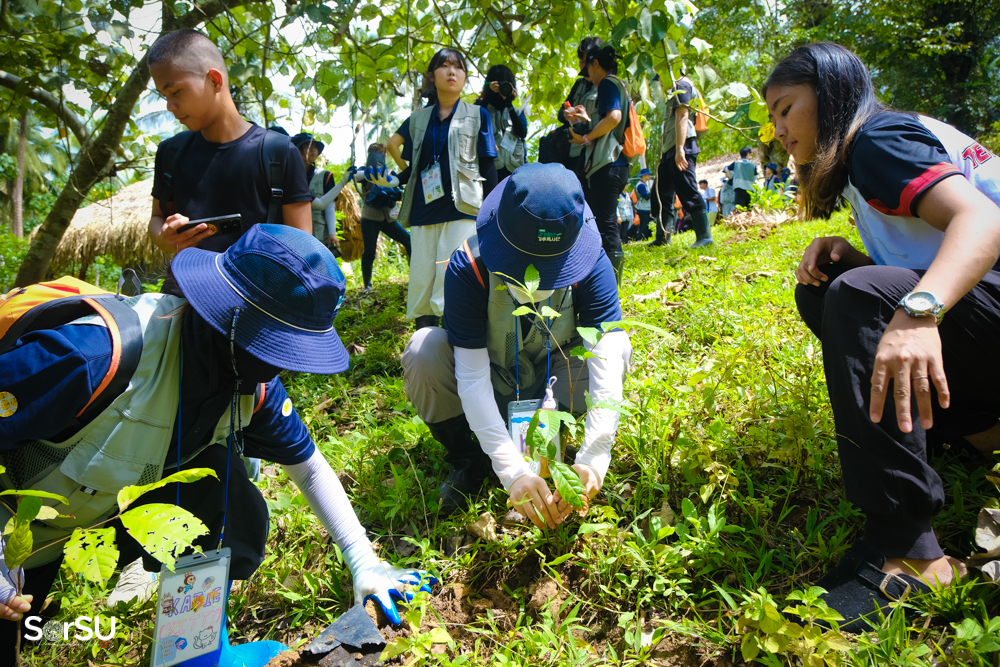
Stories with Impact
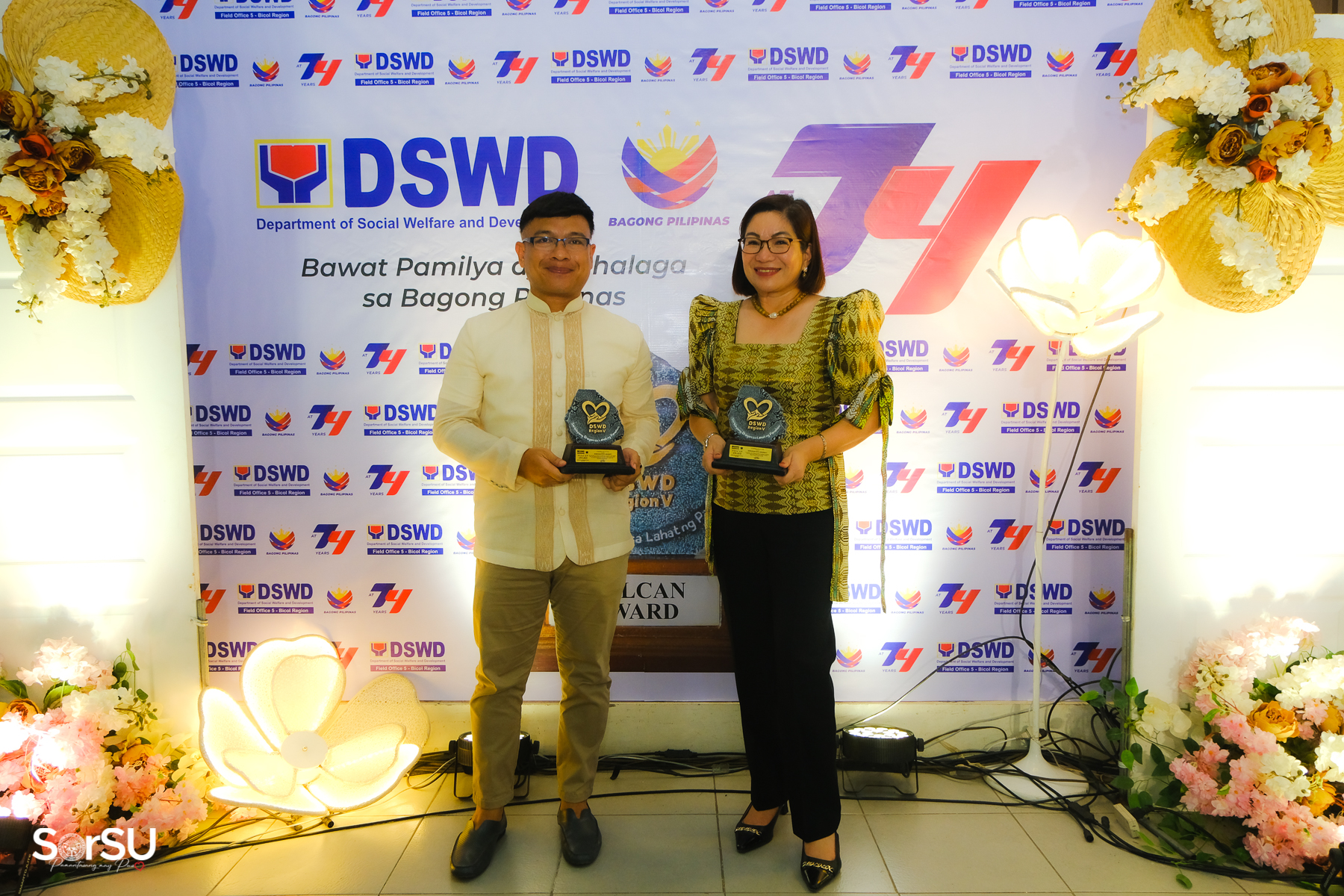
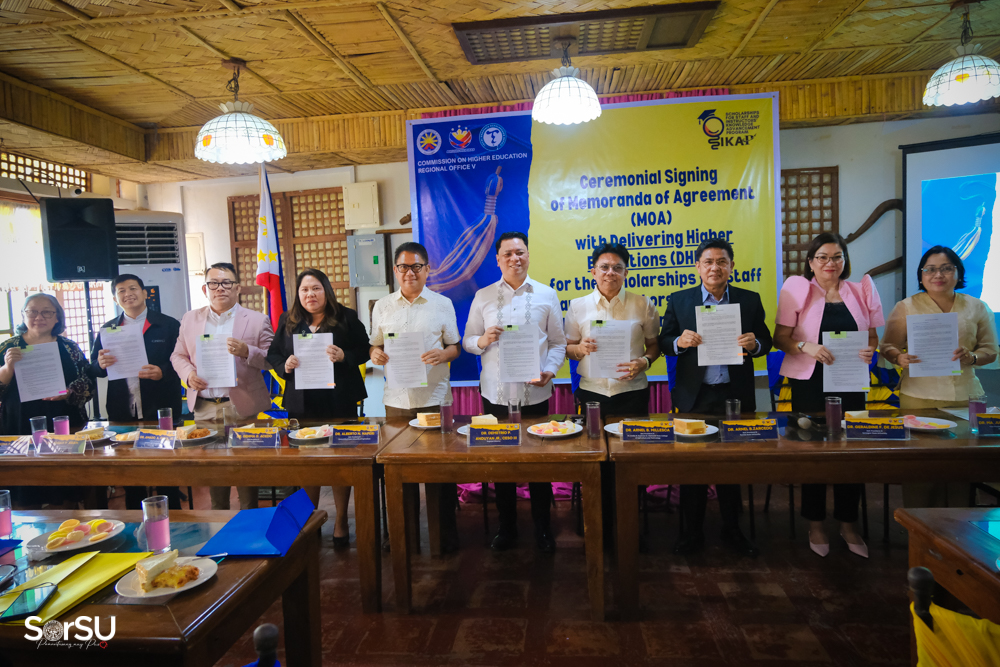
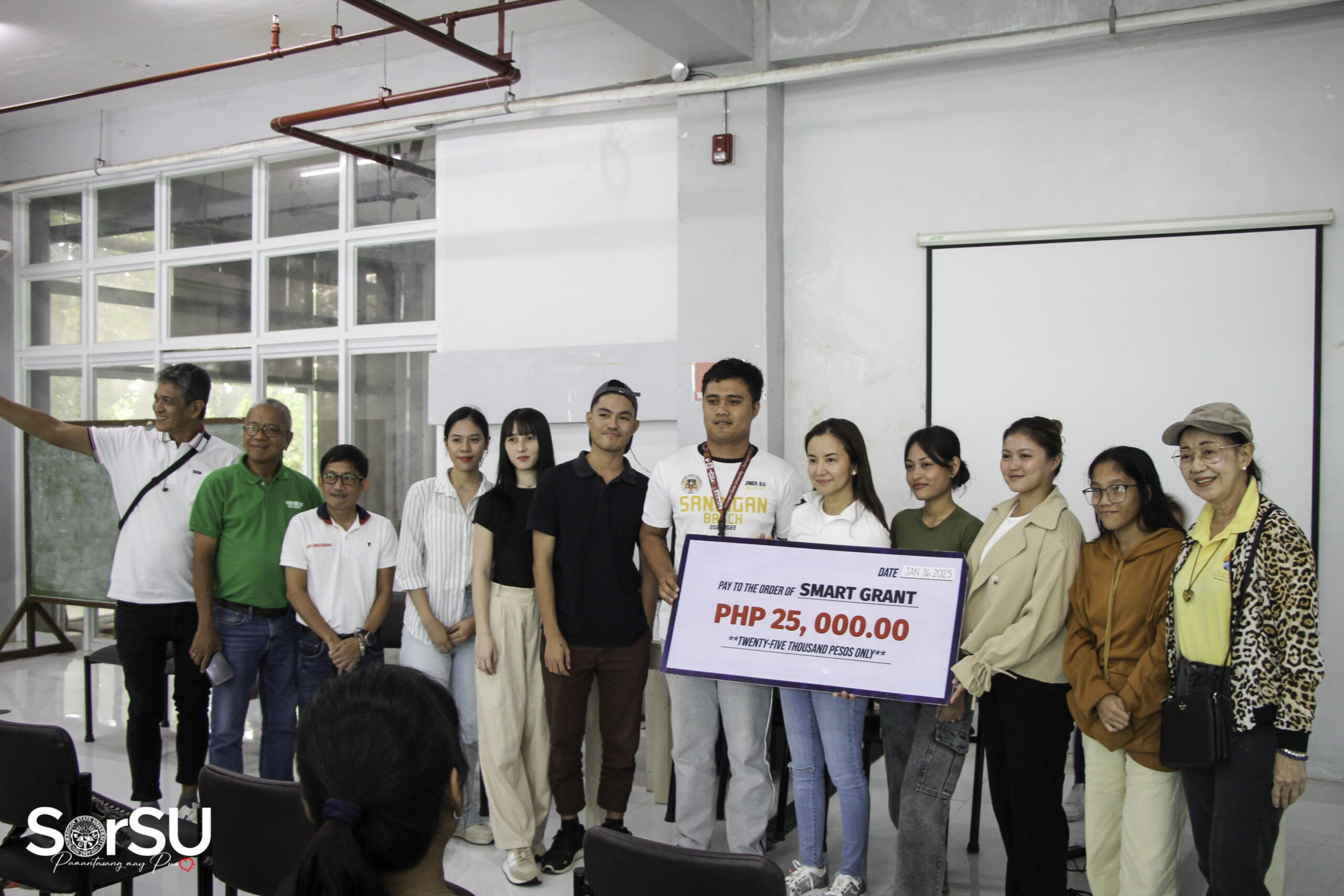
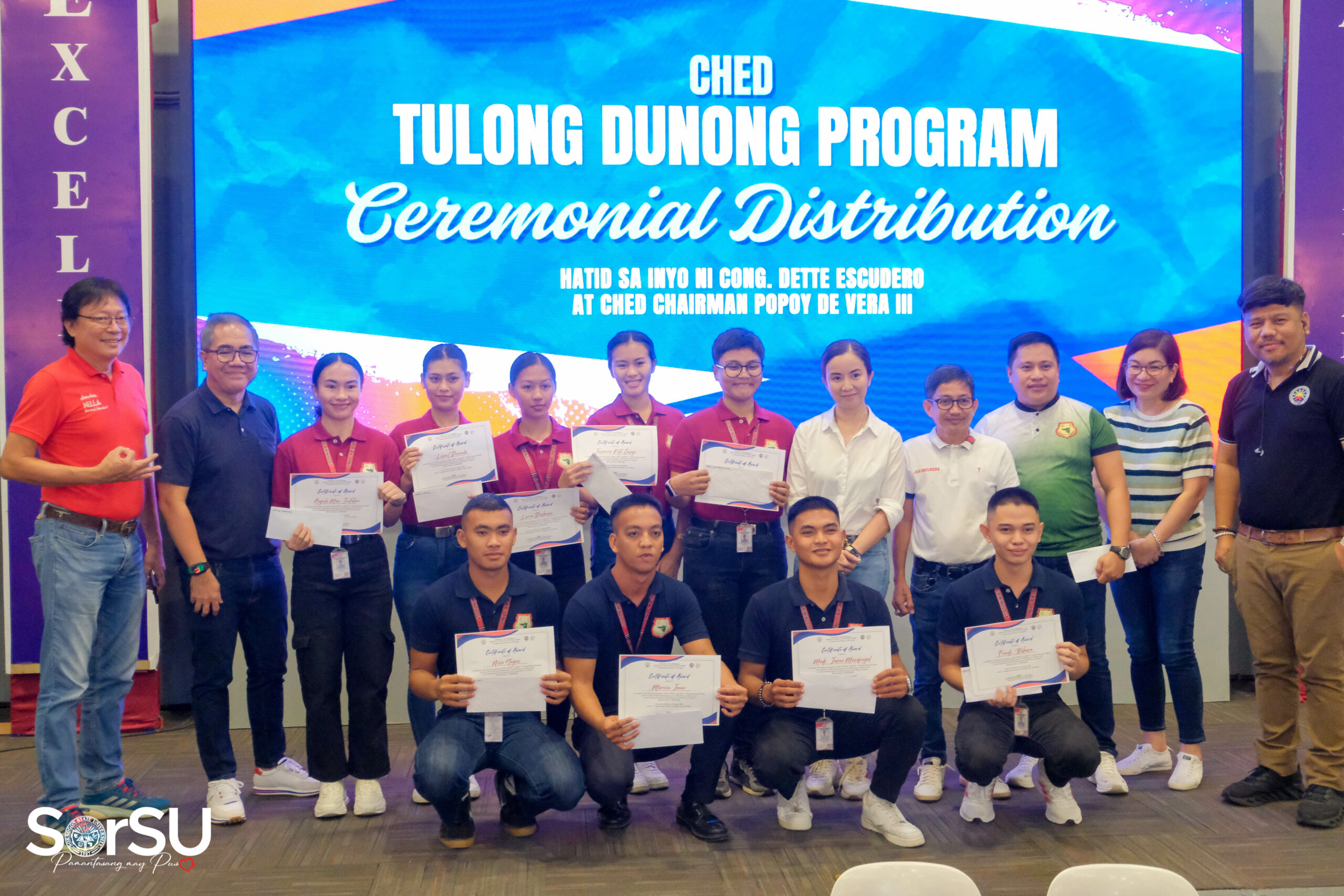
SDG 1 – No Poverty
SorSU’s Commitment to Poverty Alleviation
Sorsogon State University (SorSU) demonstrates a strong institutional commitment to eradicating poverty through research, student support programs, community initiatives, and policy engagements at local to global levels.
Research on Poverty
SorSU contributes to the national discourse on poverty through academic inquiry, such as the study “Exploring the Sobre Vote-Buying in Rural Villages: The Live Experiences of Poor Voters in the Philippines,” which investigates the socioeconomic vulnerabilities of marginalized communities and their impact on democratic participation.
Financial Aid and Student Support
During Academic Year 2023–2024, SorSU recorded 17,165 enrolled students, of which 15,752 low-income students received financial assistance. This reflects the University’s inclusive education policy and dedication to ensuring equitable access to higher learning for students from economically disadvantaged backgrounds.
The University also implements targeted low-income student support initiatives, including subsidies, food and housing assistance, and welfare programs under the Office of Student Development and Services. In times of crisis, SorSU has also transformed its facilities into safe spaces—such as opening classrooms and buildings across campuses as evacuation centers during Typhoon Kristine—further demonstrating its social responsibility and compassion for vulnerable populations.
University and Community Anti-Poverty Programmes
SorSU operates multiple community anti-poverty initiatives, including local start-up assistance programs, financial support for small enterprises, and projects that improve access to essential services. These programs are often executed in partnership with government agencies and NGOs, emphasizing the University’s role in community empowerment and local economic development.
Policy and Partnerships Addressing Poverty
SorSU actively participates in policymaking and partnership-building efforts aimed at addressing poverty. These include collaborations with local, regional, and national government agencies, such as the MOA with the Department of Environment and Natural Resources (DENR-V) on the Access and Benefit Sharing Project, and the Department of Trade and Industry (DTI) through the Shared Service Facilities (SSF) Project, which supports livelihood innovation. The University also engages in global and local policy dialogues, as documented in its Global Policy Addressing Poverty initiatives.
Overall, SorSU’s wide-ranging efforts—from academic research and financial inclusion to community engagement and policy collaboration—reflect a holistic approach to combating poverty and promoting sustainable development in line with SDG 1: No Poverty.
(More data available at sorsu.edu.ph/sdg-1-no-poverty.)
Data set for SDG 1 – No Poverty
Research on Poverty
Proportion of students receiving financial aid to attend university because of poverty
Proportion of students receiving financial aid to attend university because of poverty
Number of students: 17,165 | Number of Students (2023-2024) |
Number of low income students receiving financial aid: 15,752 | Number of Low-Income Students Receiving Financial Aid
University anti-poverty Programmes
Bottom financial quintile admission target | Link 1 |
– Summary of Scholarship Programs First Semester 2023-2024
– Summary of Scholarship Programs Second Semester 2023-2024
– Memo on Policy and Guidelines on Enrollment Target Setting
– Prescribed Target Enrollment for AY 2023-2024
– Students’ Targets 2026-2027
– Prescribed Target Enrollment for AY 2023-2024
– 2nd Sem 2023-2024 Target Enrollment
– Total number of students who fall into the Bottom 20% – 2023-2024 for 2026 application
Low-income student support
Low-income student support – Google Drive
ADVISORY: SorSU Castilla Campus opens classrooms as evacuation centers
SorSU Opens Doors to Evacuees Amid Typhoon Kristine Flooding
ADVISORY: SorSU Sorsogon City Campus Technology Building is open for evacuation purposes –
SorSU holds groundbreaking ceremony with Angat Pinas Inc. — Angat Buhay Dormitory for Girls soon to rise at SorSU-Castilla Campus
FOOD AND HOUSING
Office of Student Development and Services
SorSU Opens Doors to Evacuees Amid Typhoon Kristine Flooding
Bottom financial quintile student support | Link 1 | Link 2 |
– Partnership with National Grid Corporation of the Philippines (Addedndum)
– Partnership with National Grid Corporation of the Philippines
– DMTG Scholarship Program SY2022-2026 Sorsogon
– Partnership with Gokongwei Brothers Foundation Inc.
– Amendment Guidelines of the Grant of Free Tuition in State Universities and Colleges for Fiscal Year 2017
– Partnership for the Education Behind Bars: Pathways to Development and Liberation
– Partnership with the Landbank Countryside Development Foundation, Inc.
– CHED-UNIFAST MC No. 2018-0003 Guidelines of the Student Loan Program for Tertiary Education – Short-term Basis (SLPTE-ST) for Tertiary Education in the Philippine State Universities and Colleges (SUCs), CHED – Recognized Local Universities and Colleges (LUCs) and Private Higher Institutions
– CHED-UNIFAST MC No. 2018-0004 CHED-UNIFAST Guidelines on the Implementation of the Tertiary Education Subsidy (TES) for Filipino Students
– CHED-UNIFAST MC No. 02, s. 2023 Standardized Guidelines of the Tulong Dunong Program for SUCs for the first semester of Academic year 2023-2024
Bottom Financial quintile student success
– First Semester 2023-2024
– Second Semester 2023-2024
– Memo on Policy and Guidelines on Enrollment Target Setting
– Students’ Targets 2026-2027
– Bottom 20%- 2023-2024 for 2026 application
Low or lower-middle income countries student support
– Partnership with National Grid Corporation of the Philippines (Addedndum)
– Partnership with National Grid Corporation of the Philippines
– DMTG Scholarship Program SY2022-2026 Sorsogon
– Partnership with Gokongwei Brothers Foundation Inc.
– Amendment Guidelines of the Grant of Free Tuition in State Universities and Colleges for Fiscal Year 2017
– Partnership for the Education Behind Bars: Pathways to Development and Liberation
– Partnership with the Landbank Countryside Development Foundation, Inc.
– CHED-UNIFAST MC No. 2018-0003 Guidelines of the Student Loan Program for Tertiary Education – Short-term Basis (SLPTE-ST) for Tertiary Education in the Philippine State Universities and Colleges (SUCs), CHED – Recognized Local Universities and Colleges (LUCs) and Private Higher Institutions
– CHED-UNIFAST MC No. 2018-0004 CHED-UNIFAST Guidelines on the Implementation of the Tertiary Education Subsidy (TES) for Filipino Students
– CHED-UNIFAST MC No. 02, s. 2023 Standardized Guidelines of the Tulong Dunong Program for SUCs for the first semester of Academic year 2023-2024
Community anti-poverty programmes
Local start-up assistance | Link 1 |
– Augmenting Capacities of Cooperatives and Micro, Small & Medium Enterprises for Sustainable Services (ACCESS)
– Partnership with Department of Trade and Industry (DTI)
– Grow Negosyo: A Financial Business Management Training and Mentoring program for MSMEs in Sorsogon
Other Local start-up assistance | Link 1 | | Link 2 |
COS STC4iD 2024-2026 Product Development Expert
KINAYA 4 – Business Pitching Competition
MOA STC4iD 2024-2026
Packaging and Labeling Workshop
Understanding People Dev. and SorSU
Local start-up financial assistance | Link 1 | Link 2 |
– Augmenting Capacities of Cooperatives and Micro, Small & Medium Enterprises for Sustainable Services (ACCESS)
– Partnership with Department of Trade and Industry (DTI)
– Grow Negosyo: A Financial Business Management Training and Mentoring program for MSMEs in Sorsogon
Programmes for services access | Link 1 | Link 2 |
Direct: Programmes for services access – Google Drive
Castilla Campus:
– Pili Propagation and Nursery Management
– Discussion on Organic Fertilizer Utilization
– Partnership with the Provincial Government of Sorsogon in establishing a Province-Led Agriculture and Fisheries Extension System in Sorsogon Province
– Programang Umusbong para sa Sorsoganong Oragon
Sorsogon City Campus – College of Business Management:
– Partnership with DTI on Grow Negosyo
– Grow Negosyo: A Financial Business Management Training and Mentoring program for MSMEs in Sorsogon
Policy addressing poverty
Exploring the Sobre Vote-Buying in Rural Villages: The Live Experiences of Poor Voters in the Philippines
1st College of Agriculture Students’ Research Symposium 2024
Local https://sorsu.edu.ph/sorsu-bulan-campus-secures-five-extension-projects-with-province-wide-agencies-through-ceremonial-moa-signing/
Regional https://sorsu.edu.ph/sorsu-inks-moa-with-denr-5-marks-collab-on-access-and-benefit-sharing-abs-project/
National DTI turns over Flatbed Cutting Machine to Sorsogon PILI FabLab following sealed MOA with SorSU on the Shared Service Facilities (SSF) Project – SORSOGON STATE UNIVERSITY
Global Policy addressing poverty – Google Drive
Augmenting Capacities of Cooperatives and Micro, Small & Medium Enterprises for Sustainable Services (ACCESS)
Partnership with SocioPreneur Indonesia
SEAMEO 2022 SORSU Membership
For more data visit https://sorsu.edu.ph/sdg-1-no-poverty/
NEWS HIGHLIGHTS
A total of 104 Sorsogueno student-grantees across various higher education institutions (HEIs) in Sorsogon Province, including ACLC College, Bicol Merchant Marine College, Inc. (BMMCI), Computer Communication Development Institute (CCDI), Donsol Community College (DCC), Saint Louise de Marillac College of Sorsogon (SLMCS), Sorsogon College of Criminology, Inc. (SCCI), as well as Sorsogon State University (SorSU), with 44 SorSUeno qualified beneficiaries (Sorsogon City Campus – 32; Castilla Campus – 10; & Magallanes Campus – 2), received a check worth P25,000.00 of educational assistance through the Student Monetary Assistance Recovery and Transition (SMART) Grant Program, headed and initiated by Hon. Marie Bernadette “Dette” G. Escudero (1st District Representative, Sorsogon Province), in coordination with the Commission on Higher Education (CHED), held today, May 03, 2024, at the SorSU Audio-Visual Hall, Sorsogon City Campus.
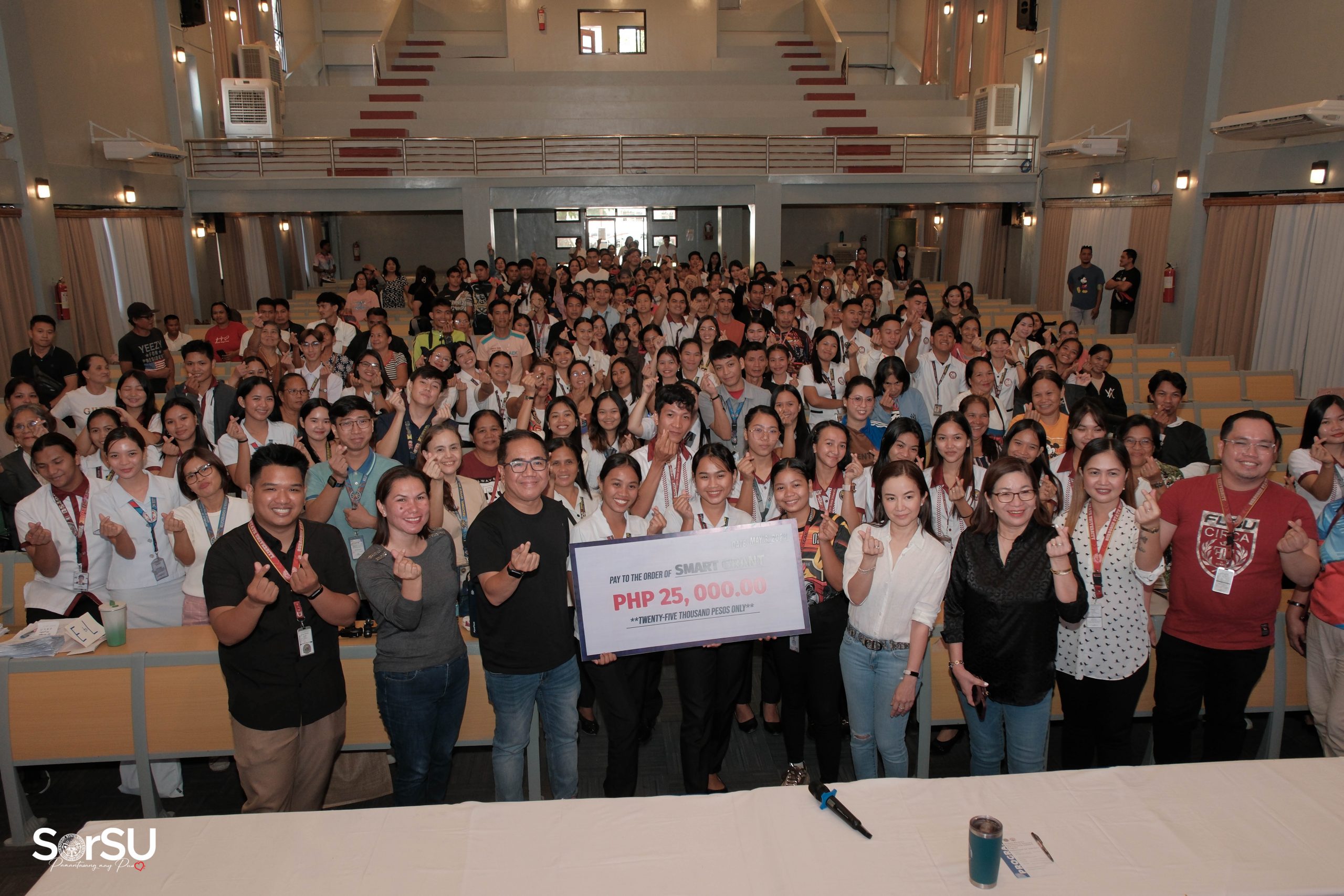
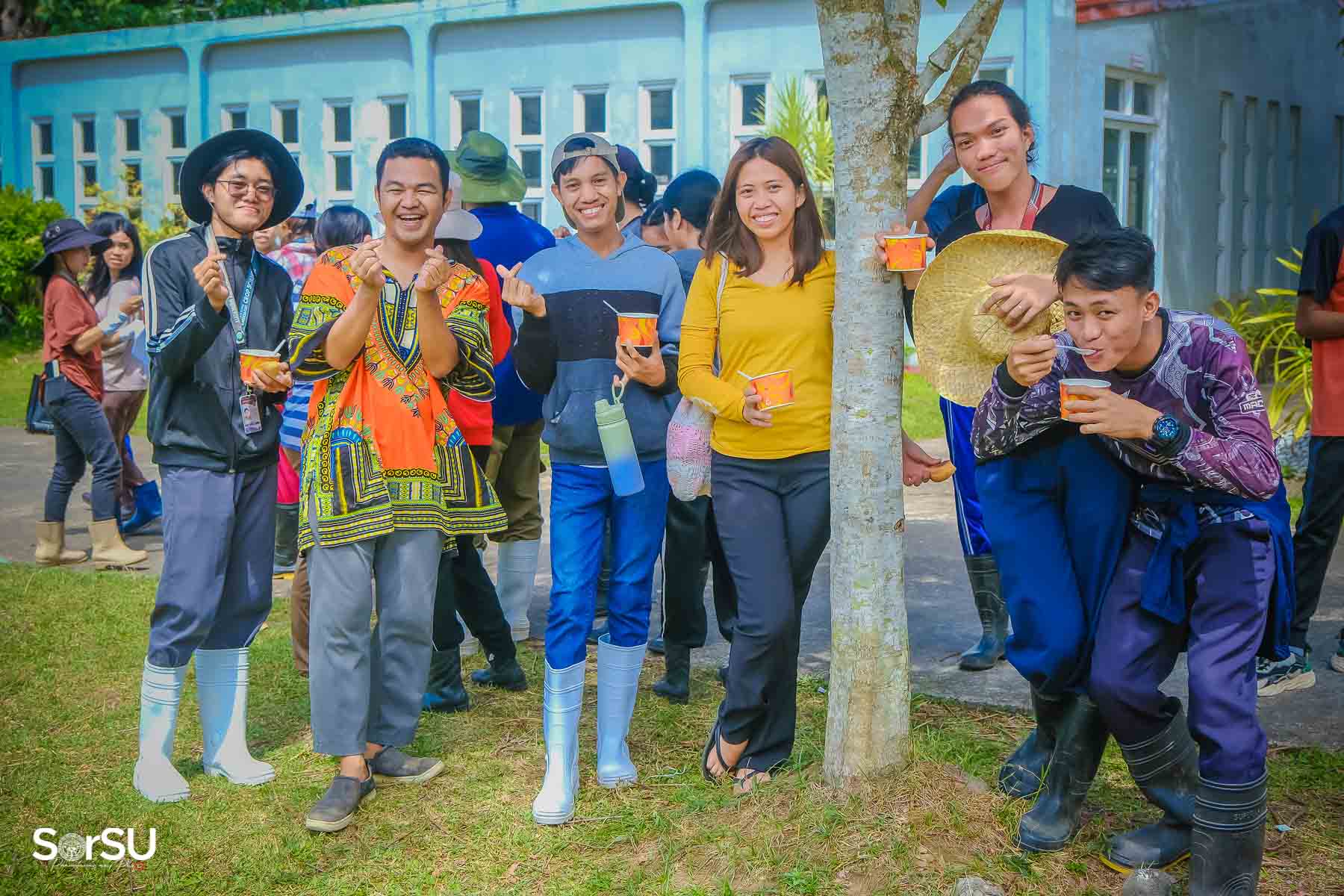
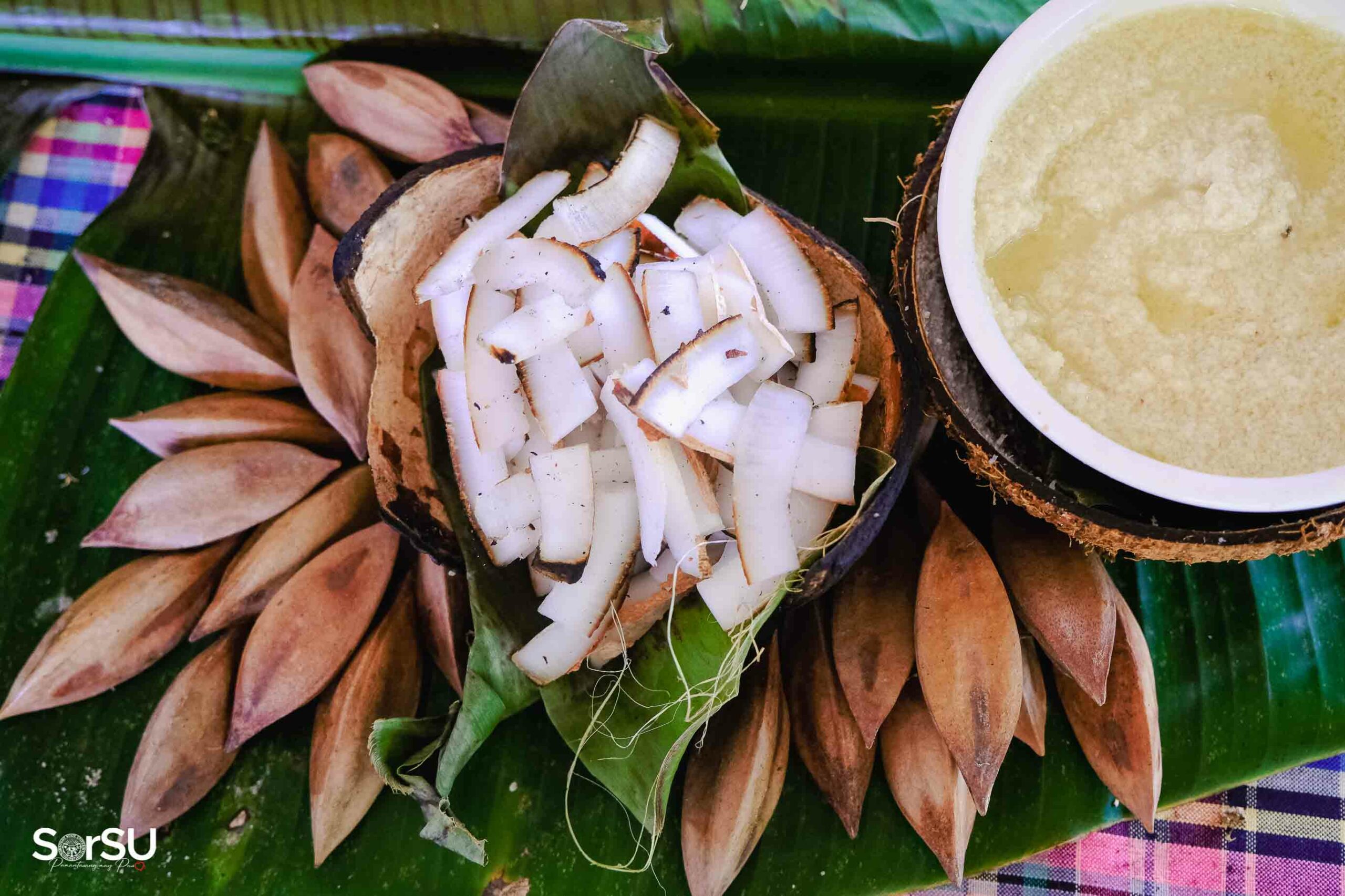
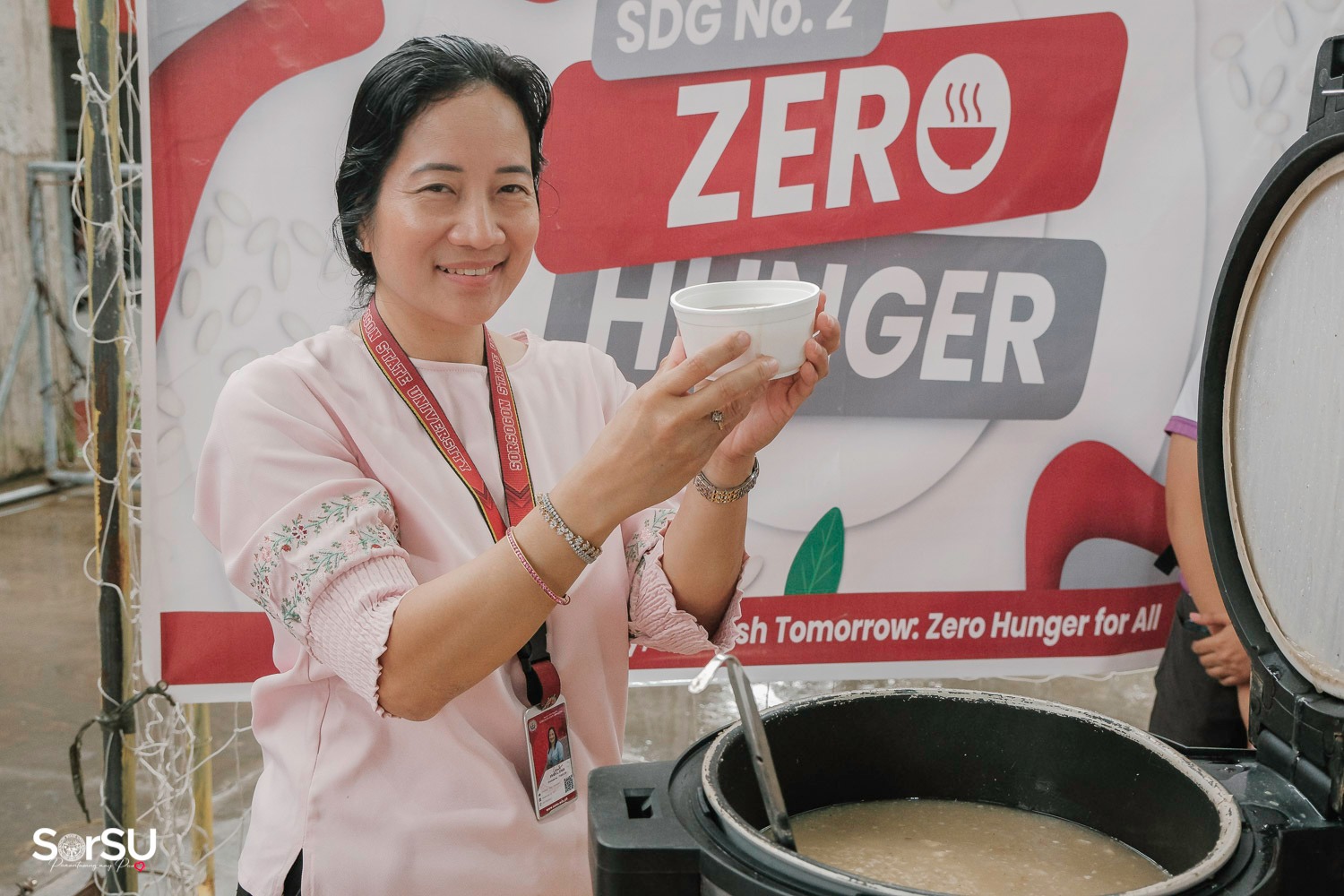
SDG 2 – Zero Hunger
SorSU’s Commitment to Ending Hunger and Promoting Food Security
SorSU is deeply committed to advancing food security, sustainable agriculture, and hunger alleviation through its research, student welfare programs, community engagements, and academic initiatives that promote sustainability in food systems.
Research on Hunger and Food Sustainability
SorSU conducts research projects that support sustainable agriculture and food production systems. Studies such as “A Framework to Assess Solar PV Irrigation System (SPIS) for Sustainable Rice Farming in Sorsogon, Philippines” and “Towards the Preparation of Modified Hyflex Learning Scheme: The Case of University Agriculture Courses in the Philippines” explore innovative and inclusive approaches to enhancing agricultural productivity and resilience, especially among rural communities.
Campus Food Waste and Food Security Initiatives
The University implements a campus-wide food waste tracking system, recording a total of 24.62 metric tons of food waste from a campus population of 17,839 individuals. This effort promotes awareness and accountability toward sustainable consumption and waste reduction.
To address student food insecurity, SorSU runs several student hunger interventions, including the “Busog Puso” Program and various Free Breakfast Initiatives spearheaded by the Office of the President, the OVP for Administration and Finance, and the Supreme Student Council. These programs provide free meals to hundreds of students, ensuring that no SorSUeno goes to class hungry. The University’s canteens and food outlets are also encouraged to adopt sustainable and healthy food choices, guided by the Office of Student Development and Services.
Education and Academic Contributions to Sustainable Agriculture
Of the University’s 2,532 graduates, 312 are from agriculture and aquaculture programs that integrate sustainability principles into their curriculum—underscoring SorSU’s contribution to training future leaders in food systems and environmental management.
Community and National Hunger Initiatives
SorSU actively extends its expertise to local and national efforts in promoting food security and agricultural innovation. The University conducts numerous training programs, seminars, and collaborations, such as the Two-day Seminar Workshop on Nursery Management and Asexual Propagation of Pili, and the Project L.I.F.T. series on Good Manufacturing Practices and local food production.
Collaborations with agencies like the Department of Trade and Industry (DTI), Philippine Crop Insurance Corporation (PCIC), and Bureau of Fisheries and Aquatic Resources (BFAR) enhance the livelihoods of local farmers and food producers. International partnerships, such as those with Dagam Farm in South Korea and participation in AGRICO 2023 in Bali, reflect SorSU’s expanding role in global agricultural and food security dialogues.
Access and Support for Local Farmers and Food Producers
Through the PILI FabLab and shared service facilities, SorSU provides technological and entrepreneurial support to local farmers and agri-entrepreneurs. Events such as the Groundbreaking of the PiliPINAS Center and collaborative programs with SERDEF demonstrate the University’s continuous effort to strengthen regional food systems and empower small-scale producers.
Overall, SorSU’s integrated approach—combining research, education, community extension, and institutional action—illustrates its strong alignment with SDG 2: Zero Hunger, ensuring that sustainable, equitable, and resilient food systems are fostered both on and beyond its campuses.
Data set for SDG 2 – Zero Hunger
Research on Hunger
A Framework to Assess Solar PV Irrigation System (SPIS) for Sustainable Rice Farming in Sorsogon, Philippines
Towards the Preparation of Modified Hyflex Learning Scheme: The Case of University Agriculture Courses in the Philippines
Campus food waste
Campus food waste tracking
– Whole university: 24.62 mt | Link 1 |
– Partial measurement:
Campus food waste | Link 1 |
– Total food waste: 24.62 mt
– Campus population: 17,839
Student hunger
Student food insecurity and hunger: | Canteen MOA | BUSOG PUSO Program
SorSU bolsters int’l ties through agricultural and academic collaborations in South Korea – SORSOGON STATE UNIVERSITY
SorSU Castilla Campus celebrates National Agriculturists’ Month – SORSOGON STATE UNIVERSITY
SorSU enters partnership with Cabid-an LGU, DTI – Sorsogon and TESDA to enable cooperation for capacity building and training – SORSOGON STATE UNIVERSITY
Students hunger interventions:
Project Proposal – Busog Puso
SorSU-Supreme Student Council Sorsogon City Campus launches “Free Breakfast” for students – SORSOGON STATE UNIVERSITY
SorSU OVP for Administration and Finance provides free breakfast for Sorsogon City Campus students – SORSOGON STATE UNIVERSITY
SorSU OP sponsors free breakfast for 404 SorSUeno students in Sorsogon City Campus, Baribag Extension Campus – SORSOGON STATE UNIVERSITY
Sustainable food choices on campus:
– All food outlets
Sustainable food choices on campus – Google Drive
– Selected food outlets
Office of Student Development and Services – SORSOGON STATE UNIVERSITY
Healthy and affordable food choices
– All food outlets
Sustainable food choices on campus – Google Drive
– Selected food outlets
Office of Student Development and Services – SORSOGON STATE UNIVERSITY
– Staff hunger interventions | Link 1 |
Proportion of graduates in agriculture and aquaculture including sustainability aspects
Proportion of graduates in agriculture and aquaculture:
Number of graduates: 2,532
Number of graduates from agriculture and aquaculture courses including sustainability aspects: 312
National Hunger
Access to food security knowledge
SorSU-Castilla Campus conducts Two-day Seminar Workshop on Nursery Management and Asexual Propagation of Pili – SORSOGON STATE UNIVERSITY
SorSU pursues another global linkage — inks MOU with Dagam Farm in South Korea, student internship & scholarship opportunities await – SORSOGON STATE UNIVERSITY
DTI holds SSF Donation Ceremony to 13 Cooperators — turns over 2 shared service facility projects to SorSU – SORSOGON STATE UNIVERSITY
DTI turns over Flatbed Cutting Machine to Sorsogon PILI FabLab following sealed MOA with SorSU on the Shared Service Facilities (SSF) Project – SORSOGON STATE UNIVERSITY
Engr. Charleen Grace V. Deniega Represents SorSU at AGRICO 2023 in Bali – SORSOGON STATE UNIVERSITY
Sorsogon State University’s Project L.I.F.T. Conduct GMP training for Buhatan’s Nipa Vinegar Production – SORSOGON STATE UNIVERSITY
SorSU signs MOA with PCIC, BFAR-NSTDC – SORSOGON STATE UNIVERSITY
Day Care Kids Join ‘SorSU ARK’ Program – SORSOGON STATE UNIVERSITY
Day Care Kids Join ‘SorSU ARK’ Program – SORSOGON STATE UNIVERSITY
SorSU and UPLB convene in preparation for 7th AgriMOVE Symposium scheduled on April 2024 – SORSOGON STATE UNIVERSITY
SorSU signs MOA with PCIC, BFAR-NSTDC – SORSOGON STATE UNIVERSITY
SorSU officials participate in two-day Conference on Sectoral Means for International Collaboration (COSMIC) 2024 at CBSUA, CamSur – SORSOGON STATE UNIVERSITY
Events for local farmers and food producers
Events for local farmers and food producers – Google Drive
WEBINAR: Alternative feeding and health management of Improved/Native Chicken and Organic Fertilizer Utilization – SORSOGON STATE UNIVERSITY
Sorsogon State University’s Project L.I.F.T. Conduct GMP training for Buhatan’s Nipa Vinegar Production – SORSOGON STATE UNIVERSITY
SorSU-Castilla Holds Groundbreaking Ceremony of PiliPINAS Center – SORSOGON STATE UNIVERSITY
Nurturing Growth: SorSU Castilla’s Journey to Empower Pili Farmers Through Seedling Success – SORSOGON STATE UNIVERSITY
SorSU Castilla Conducts Two-Day Monitoring of Dispersed Pili Seedlings to Farmers – SORSOGON STATE UNIVERSITY
University access to local farmers and food producers
DTI turns over Flatbed Cutting Machine to Sorsogon PILI FabLab following sealed MOA with SorSU on the Shared Service Facilities (SSF) Project – SORSOGON STATE UNIVERSITY
Free: SorSU seals MOU with Small Enterprises Research and Development Foundation Inc. (SERDEF) — to boost collaboration in areas of entrep education, research, extension & training – SORSOGON STATE UNIVERSITY
Paid: SorSU bolsters int’l ties through agricultural and academic collaborations in South Korea – SORSOGON STATE UNIVERSITY
Sustainable food purchases
Office Memorandum No. 67B, s, 2023 – Compliance with Procurement Rules and Support to Local Agricultural and Fishery Products
Community Engagement | Link 1 |
Contract of Lease
Partnership with the Provincial Agriculturist of Sorsogon
Acknowledgement Receipts
Related Laws
1. Republic Act No. 11321 (Sagip Saka Act) – An Act Promoting Agricultural and Fishery Products to Government Agencies by Direct Procurement from Farmers and Fisherfolks
2. GPPB Circular No. 01-2020 – emergency procurement
3. Republic Act No. 12009 (New Government Procurement Act) – Governs modernized procurement including inclusive procurement principles
4. Republic Act No. 9184 (Government Procurement Reform Act) – All procurement must still be consistent with this law (and its IRR) when sourcing from farmers/MSMEs.
5. GPPB Resolution No. 18-2021 – approving rules for procurement of Agri/fishery products from accredited farmers/fisherfolk
NEWS HIGHLIGHTS
The Sorsogon State University reaffirms its commitment to student well-being through the continuation of its initiative to provide free, nutritious breakfast. On October 2, 2024, the university offered a warm serving of macaroni soup for 145 students in the SorSU covered court, made possible by the generous sponsorship of the Office of the Vice President for Administration and Finance, under the supervision of Mr. Gerald E. Fulay, JD.
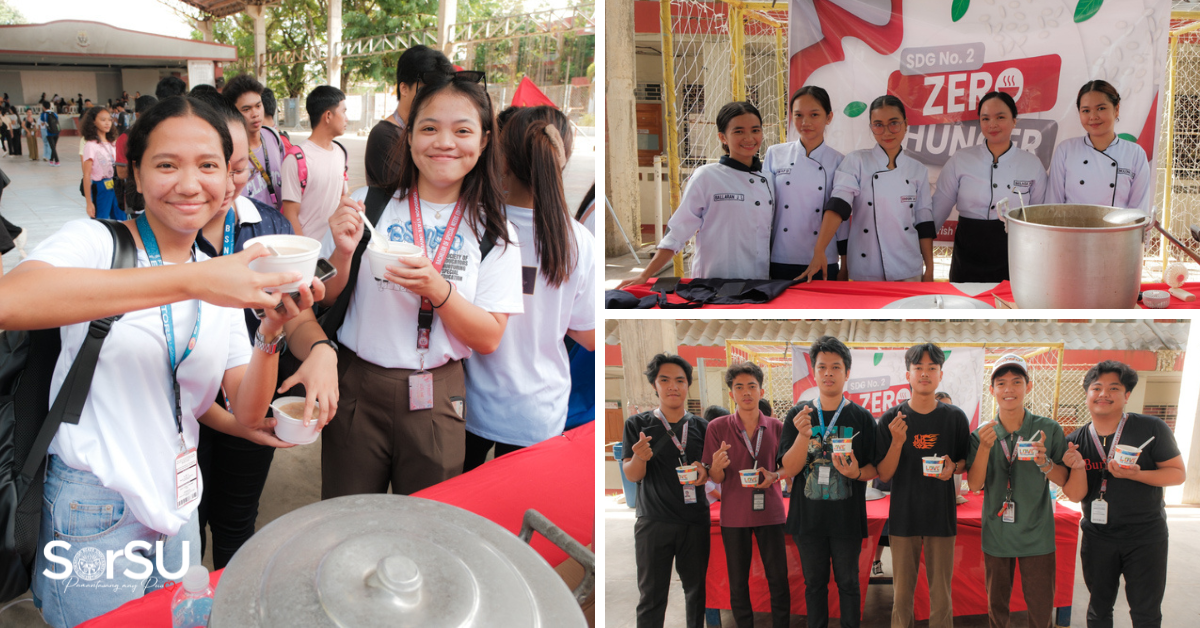
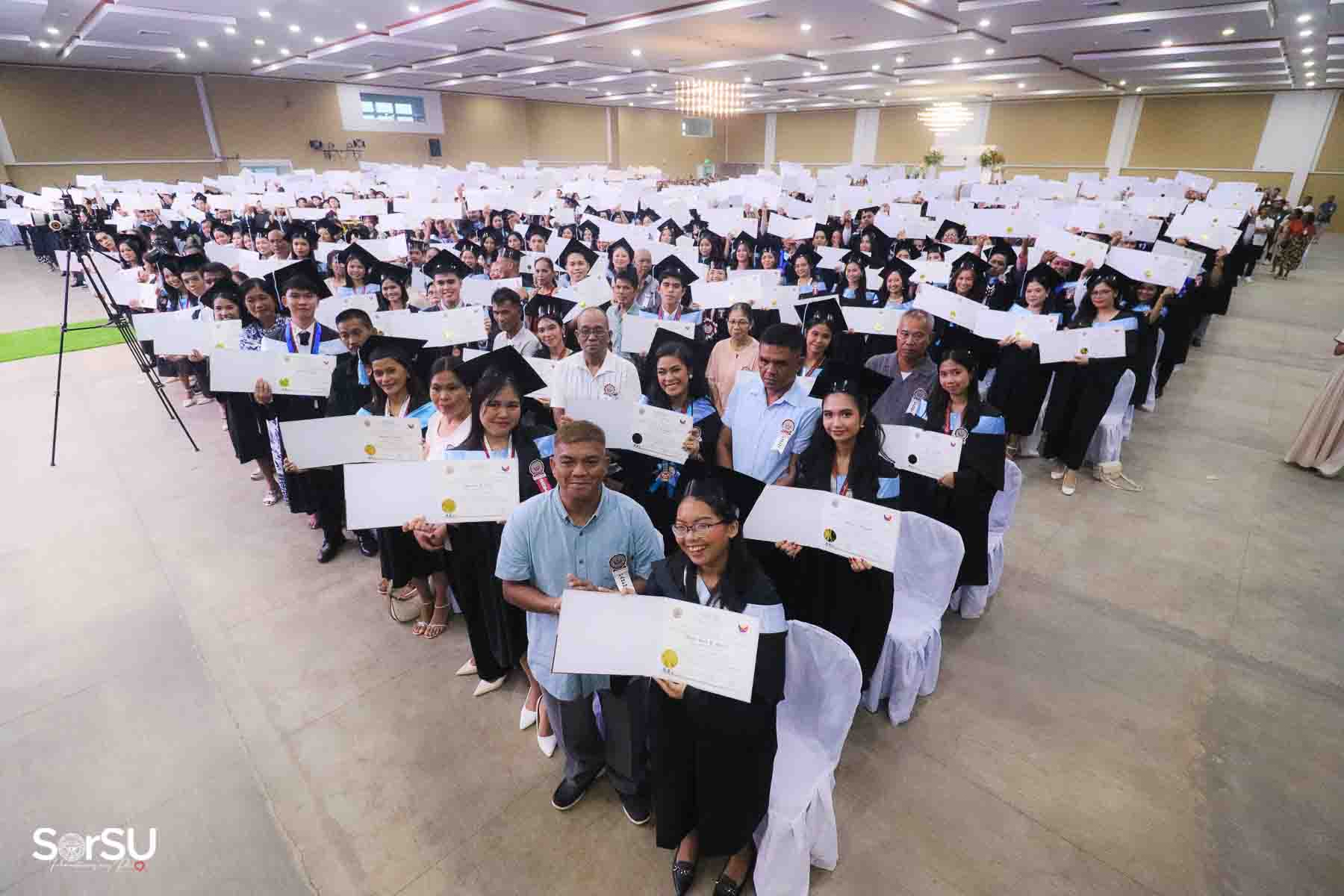
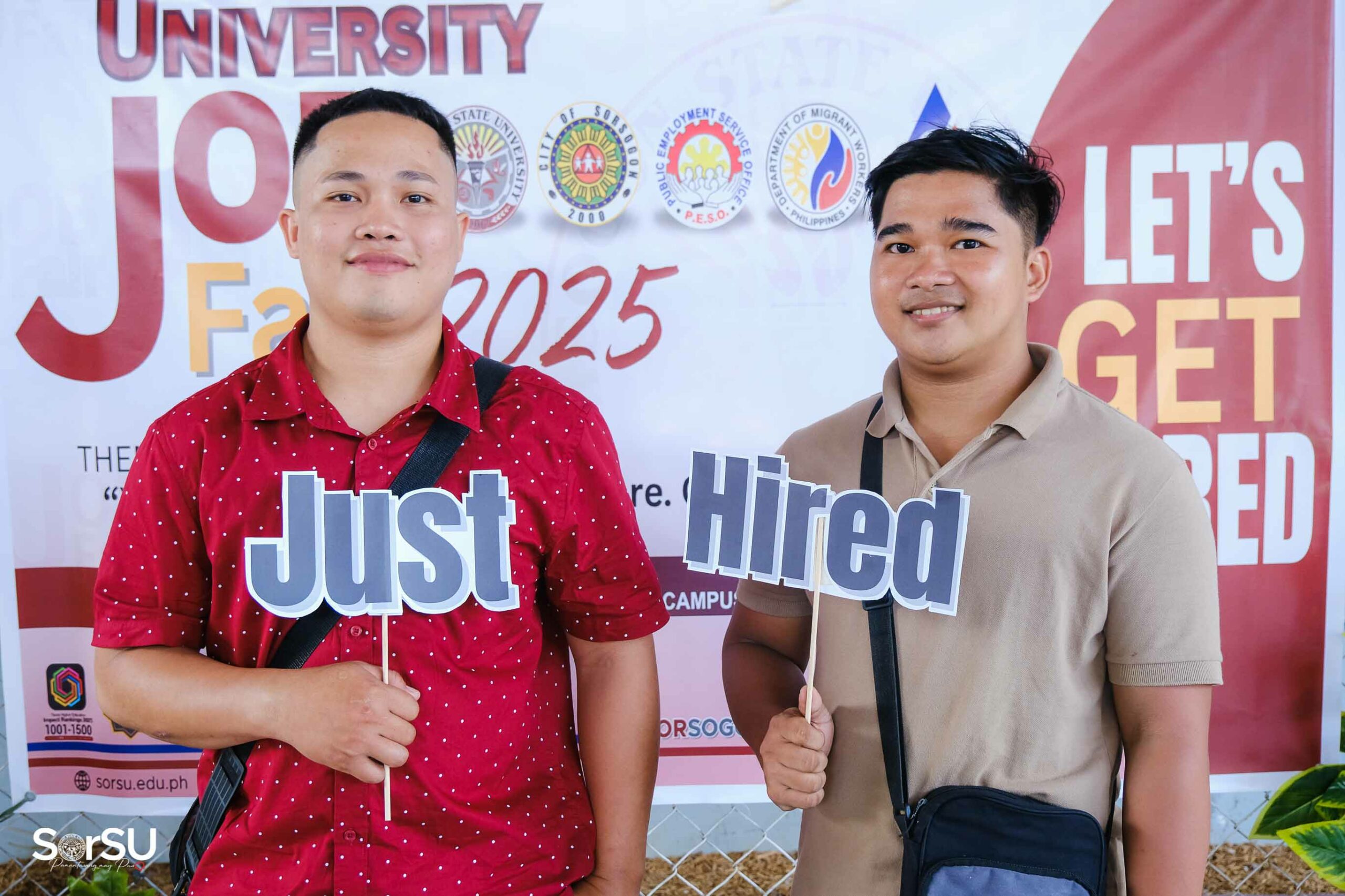
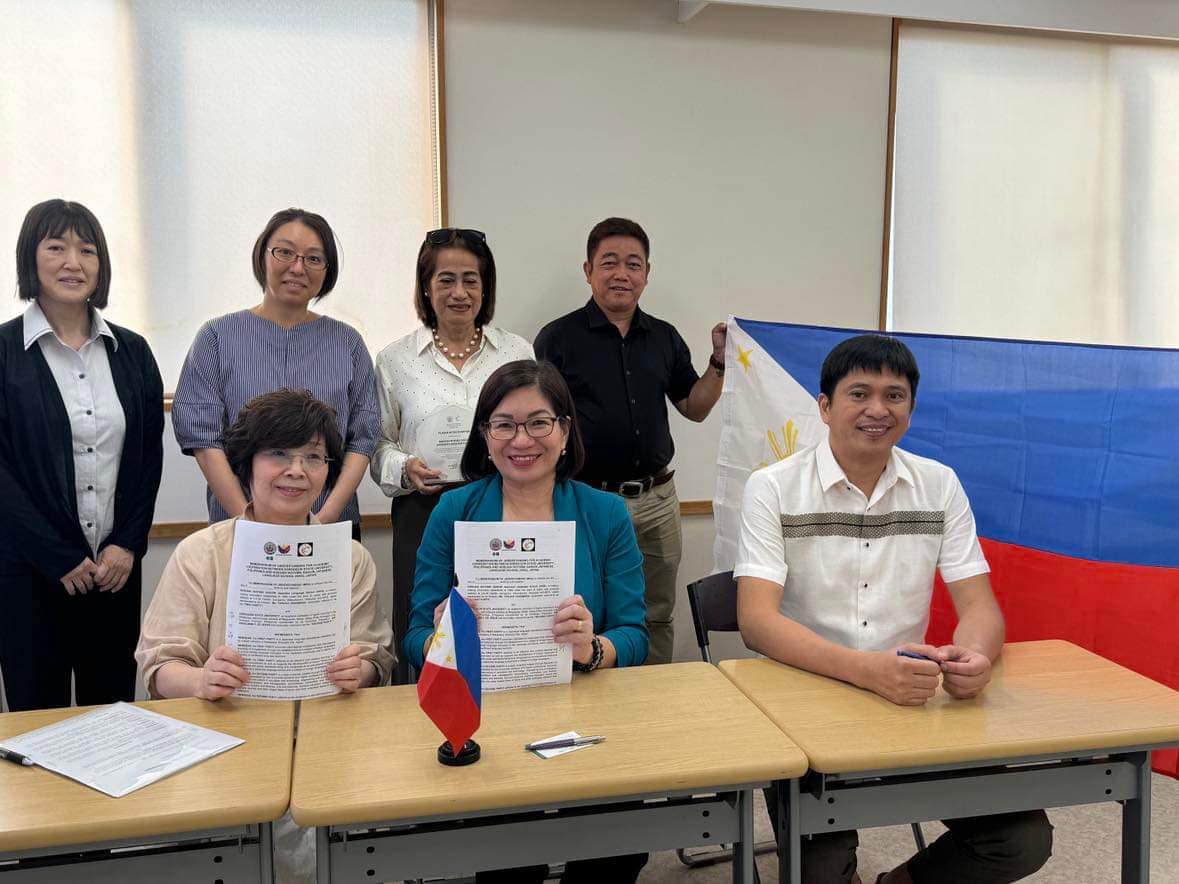
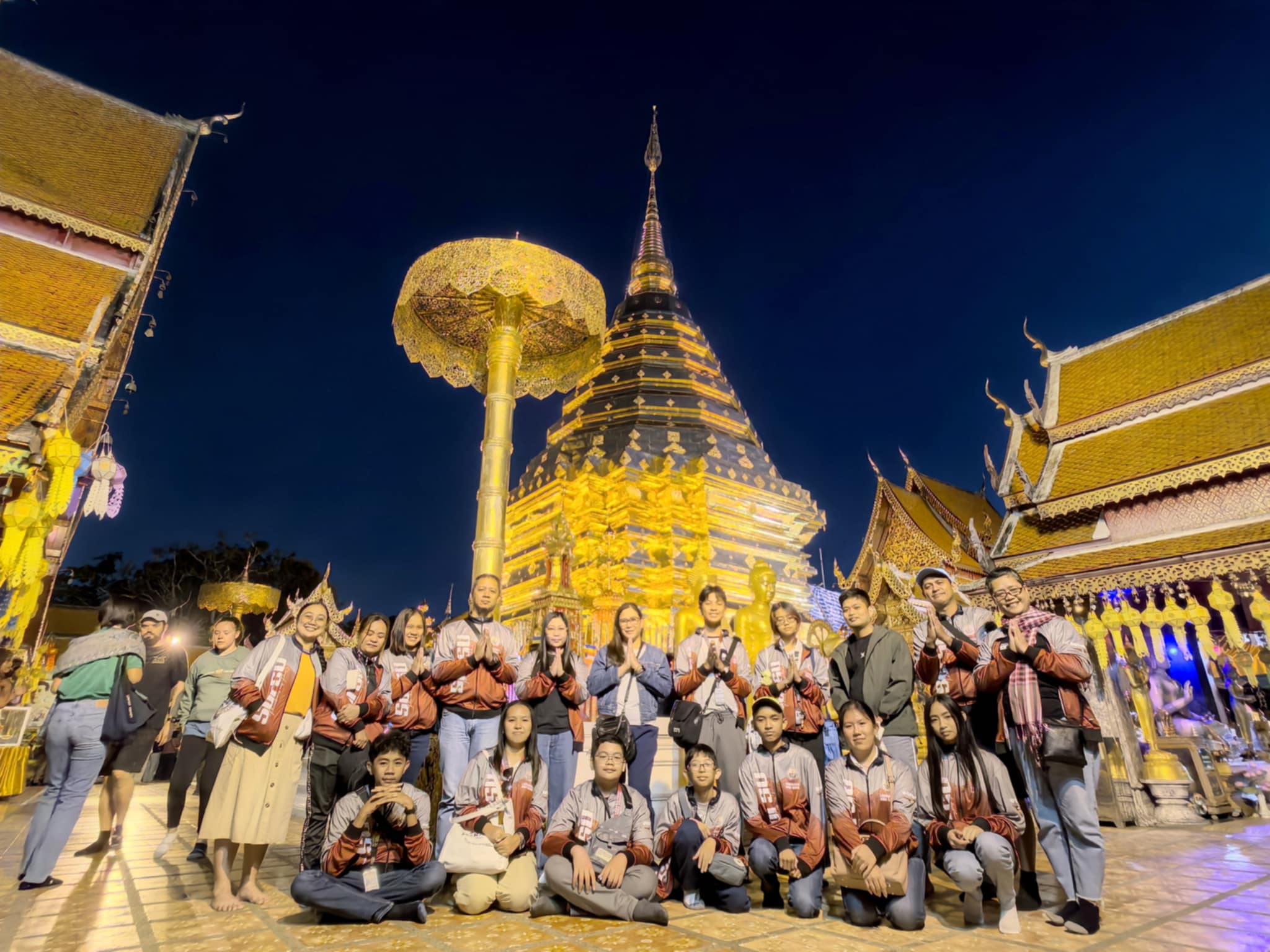
SDG 4 – Quality Education
SorSU’s Commitment to Quality Education and Lifelong Learning
SorSU upholds its mission of providing inclusive, equitable, and lifelong learning opportunities for all through research, academic innovation, professional training, and community education programs that empower learners across different life stages.
Research on Early Years and Lifelong Learning
SorSU’s research initiatives reflect a deep commitment to improving teaching quality, advancing educational access, and enhancing learning outcomes. Studies such as “Effects of Game-Based Activities on Students’ Social Skills and Attitudes Toward Learning Science,” “Digital Badges as Rewards in Science Education,” and “Exploring Clinical Practice Education for Student Midwives” examine innovative teaching methods that strengthen learner engagement and professional readiness.
Other studies, including “Correlating Reasons for Student Dropouts and Socioeconomic Factors at a State University from a Rural Province in the Philippines” and “Crossing Boundaries: How Maranao Children in Sorsogon City Negotiate Their Cultural Identity through Situated Language Use and Discourse Practices,” explore educational equity and cultural inclusion, reinforcing SorSU’s role as a catalyst for lifelong and culturally responsive learning.
Graduates with Teaching Qualifications
Out of 2,532 total graduates, 149 earned qualifications that enable them to teach at the primary education level, highlighting SorSU’s contribution to producing competent educators ready to serve both local and national educational needs.
Lifelong Learning and Public Access to Education
SorSU’s lifelong learning initiatives extend beyond the classroom, providing training, mentorship, and capacity-building opportunities to the broader community.
Project ACCESS (Augmenting Capacities of Cooperatives, and Micro, Small & Medium Enterprises towards Sustainable Services) trains cooperative members and MSMEs through seminars and mentoring led by SorSU faculty experts, positioning the University as an accredited training provider of the Cooperative Development Authority (CDA).
Project Tech Revive supports the students, faculty, and staff of Saint Louise de Marillac School of Bulan, Inc., through technology repair and revitalization programs.
Project FISHNET mobilizes faculty and students as trainers and facilitators to deliver community-based training and capacity-building activities in coastal and rural communities.
The Book Fair 2024 promotes reading literacy and access to updated learning resources among students and educators.
The SorSU College Behind Bars Program provides incarcerated individuals with access to higher education, embodying the University’s strong advocacy for inclusive and transformative lifelong learning opportunities.
Overall, SorSU’s broad range of educational research, teaching programs, and community learning initiatives clearly demonstrate its alignment with SDG 4: Quality Education—ensuring that learning remains a lifelong, accessible, and empowering pursuit for all.
Data Set for SDG 4 – Quality Education
Research on Early Year & Lifelong Learning Education
Exploring faculty profile and technology transfer initiatives of a newly-instated state university in the Philippines
Effects of Game-Based Activities on Student’s Social Skills and Attitudes Toward Learning Science (Student’s Social Skills and Attitudes Towards Learning Science Using Game-based Activities)
The Social Support Systems and Needs of Private SHS Teachers in Writing Research
Digital Badges as Rewards in Science Education: Students’ Perceptions and Experiences
Exploring Clinical Practice Education for Student Midwives: Hospital and Community Opportunities and Challenges
Integrated Science, Technology, Engineering, and Mathematics – Problem-Based Learning – Education for Sustainable Development (I-STEM-PBL-ESD) Framework
Crossing Boundaries: How Maranao Children in Sorsogon City Negotiate Their Cultural Identity through Situated Language Use and Discourse Practices
Correlating Reasons for Student Dropouts and Socioeconomic Factors at a State University from a Rural Province in the Philippines (Old Title: Tracing the College dropouts amidst the free tuition law: The case of SSC-Bulan Campus)
Towards the Preparation of Modified Hyflex Learning Scheme: The Case of University Agriculture Courses in the Philippines
Proportion of graduates with teaching qualification
Proportion of graduates with relevant qualification for teaching
Number of graduates: 2,532
Number of graduates who gained a qualification that entitled them to teach at primary school level:149
Lifelong learning measures
Public resources (lifelong learning)
1. Project ACCESS (Augmenting Capacities of Cooperatives, and Micro, Small & Medium Enterprises towards Sustainable Services)
– Expertise as Public Resources
– SorSU personnel as resource speakers to trainings/seminars (mentoring, coaching, consultancy services) SorSU as accredited training provider of CDA
(Risk and Management Credit Seminar- December 2023)
| Link 1 | Link 2 |
2. Project Tech Revive – (Beneficiaries: Students, Faculty and Staff of Saint Louise de Marillac School of Bulan, Inc. (SLMSB))
– Expertise and services as Public Resources
| Link 1 | Link 2 |
3. PROJECT FISHNET
Provide faculty extensionists and students as trainer, resource speaker and student extensionists as facilitators
| Link 1 | Link 2 |
4. Book Fair 2024
| Book Fair 2024 Letter | Requested Books 2024 | Book Fair 2024 Article |
5. SorSU College Behind Bars Program
| MOA Signing | College Behind Bars Program Article | College Education Behind Bars Extension |
Courses leading to certificate or award
– LOTUS 3.0 (LOcalized TUtorial Services- PARENTS’ EDUCATION FOR CHILD-LEARNING SUCCESS
– Parents’ Education for Child Learning Success (SorSU BOR Resolution No. 80-2024)
– College Education Behind Bars Extension to BJMP – Irosin District
Access to campus facilities and equipment
| DTI – Grow Negosyo | Shared Service Facilities (SSF) Project | Long Term MOA for the DTI-Shared Facility in SorSU Magallanes Campus | Ceremonial Donation of Shared Services Facilities Projects of the Department of Trade and Industry |
Access to online resources
1. Capacity Building on Kotobee Software and Utilization of Electronic Self-directed Interactive Modules in Science (Report) (MOA) |
2. Project LOTUS
Public events (lifelong learning)
1. Tertulyang Pampanitikan 2024 (April) Panitikang Bikolnon: daluyan sa Nagkakabuklod na Wika at Kultura ang Sorsoguenos
2. AgriMOVE Symposium
3. Book Fair 2024
| Book Fair 2024 Letter | Requested Books 2024 | Book Fair 2024 Article |
4. Project ACCESS (Augmenting Capacities of Cooperatives, and Micro, Small & Medium Enterprises towards Sustainable Services) – (Risk and Management Credit Seminar- December 2023) | Project Access MOA | Cooperative Development Authority | Basic Accounting for Non-Accountants | PEC & SWOT ANALYSIS with Seaweed Farmers | Seminar on Parliamentary Procedures |
Vocational training events (lifelong learning)
1. Training on Pili Processing, Packaging, and Labeling (for Pili Processors in Sorsogon province) March 2024 | Report |
2. Project DRIVEN (Developing and Refining ICT Capabilities for Creative Side of Technology) Component 1- 2023-2024 | MOA with San Francisco National High School | E-LEKSYON: YOUTH VOTERS’ NARRATIVE REPORT | Sim Card Registration Assistance |
3. Pinoy Reading Buddies | MOA – Pinoy reading Buddies |
Education outreach activities beyond campus
1. Project LOTUS
2. Community Outreach Program 2024 for 20 pupils of Monbon Elem School, Irosin (Personal hygiene and good nutrition)
Lifelong learning access policy
A policy that ensures that access to these activities is accessible to all, regardless of ethnicity, religion, disability immigration status or gender.
1. Memo on Lifelong Learning Policy – VPAA Memorandum No. 69, s. 2023
2. Admission Policies
3. SorSU signs MOA on “Parents Education for Child Learning Success” with DSWD
4. Short-term Course/Curriculum (Non-Degree Program) for Parents or Guardian titled “Parents’ Education for Child Learning Success”
Proportion of first-generation students
Proportion of first-generation students
Number of students starting a degree: 5,495 | Link 1-1st Year-1st Semester, AY 2023-2024 | Link 2-1st Year-2nd Sem AY 2023-2024 |
Number of first-generation students starting a degree: 1,367 | Link 1 – First Generation Report |
NEWS HIGHLIGHTS
Sorsogon State University held its first-ever completion rites on December 14, 2024, at the SorSU AV Hall, Sorsogon City Campus, for 96 4Ps parents who successfully completed a short-term course under the LOTUS 3.0 “Parents’ Education for Child-Learning Success” initiative. The program launched through a partnership between SorSU and the Department of Social Welfare and Development (DSWD), aims to enhance educational outcomes for students by increasing parental involvement in their education.
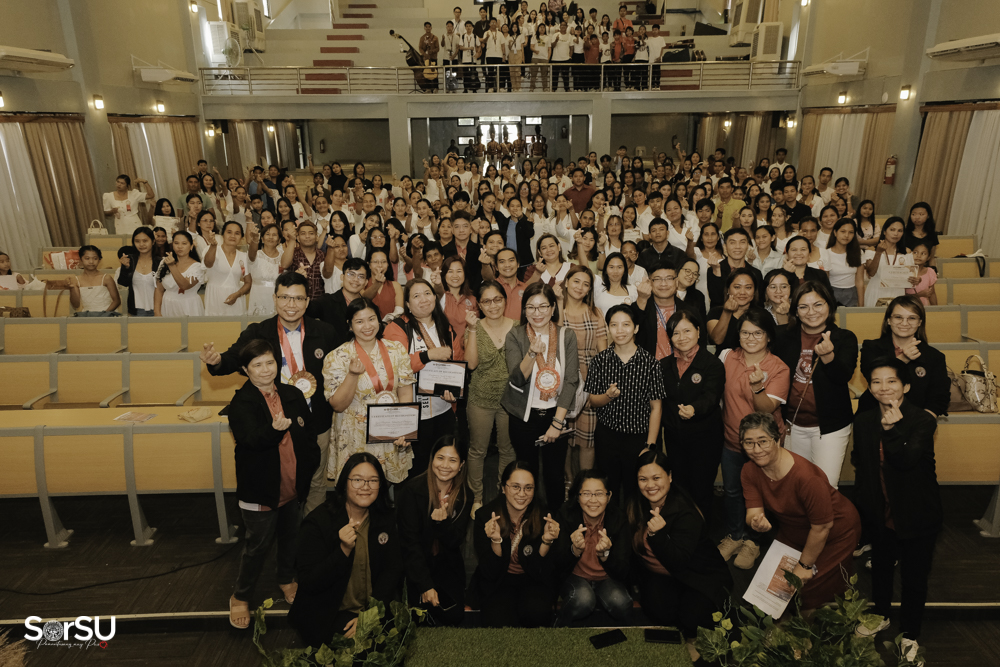
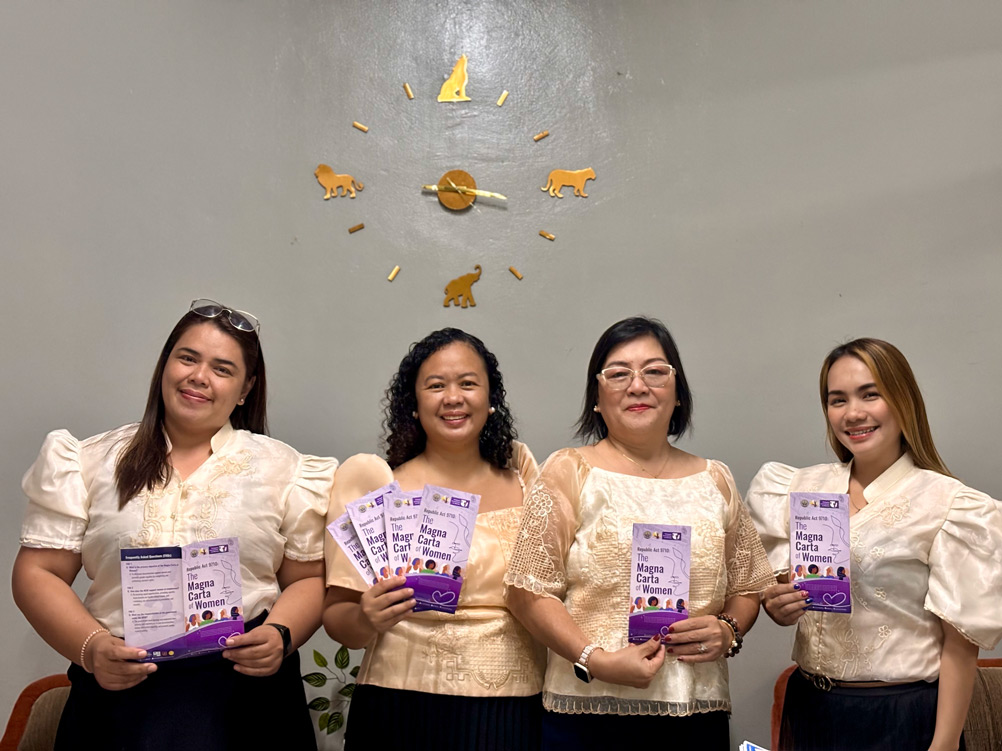
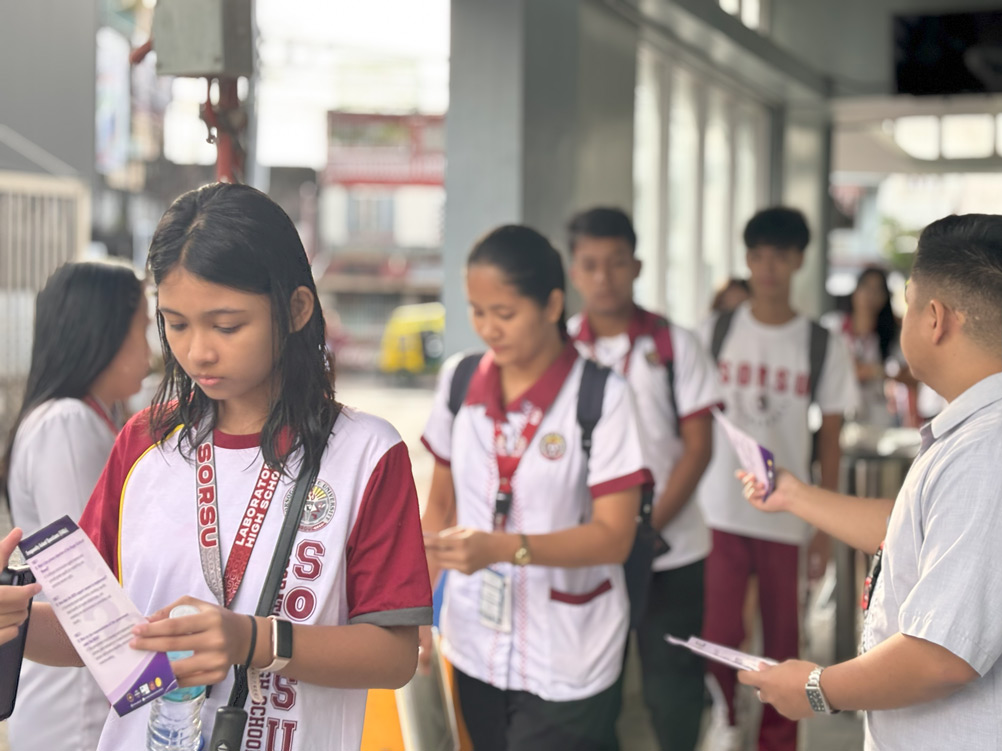
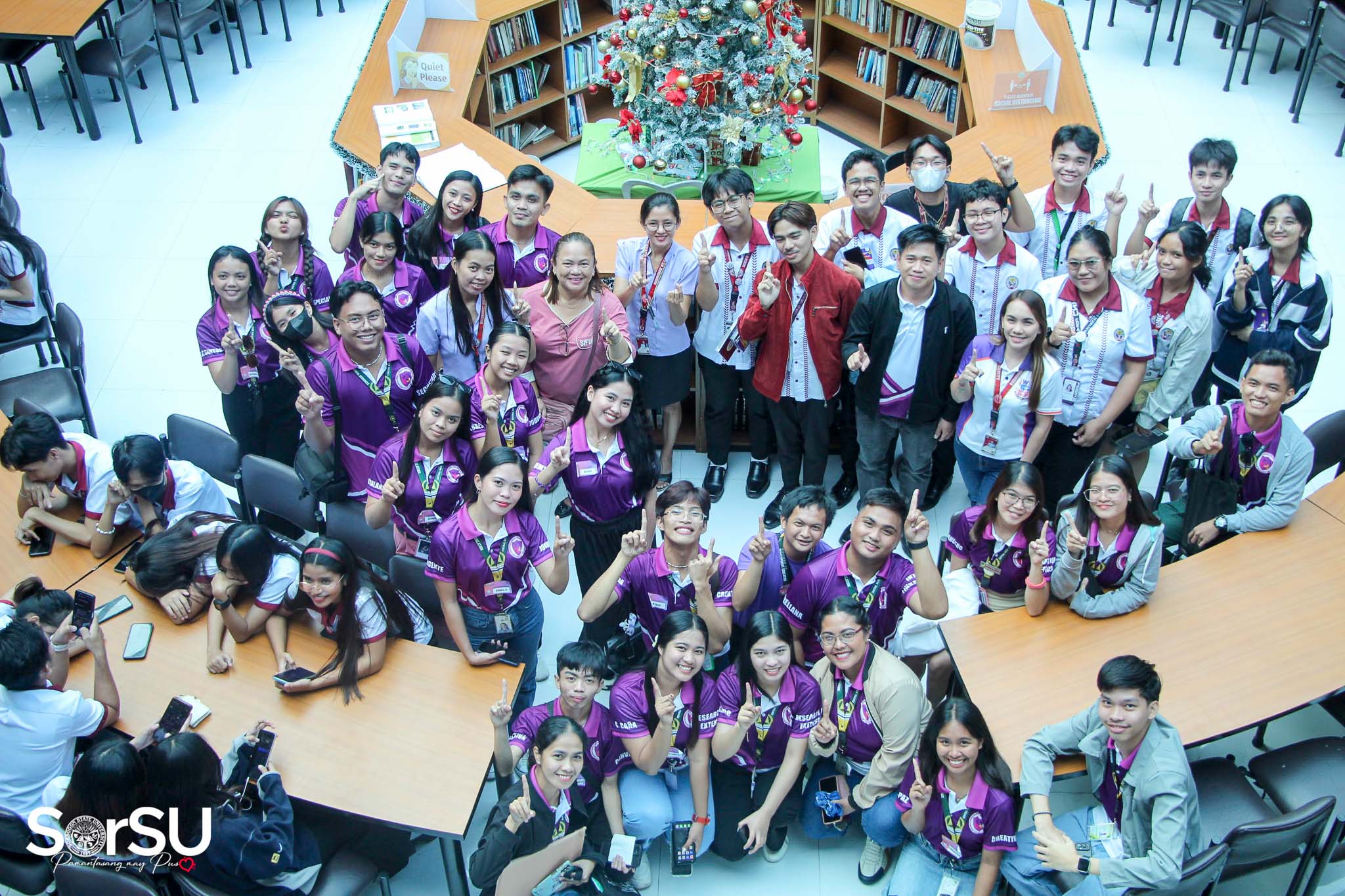
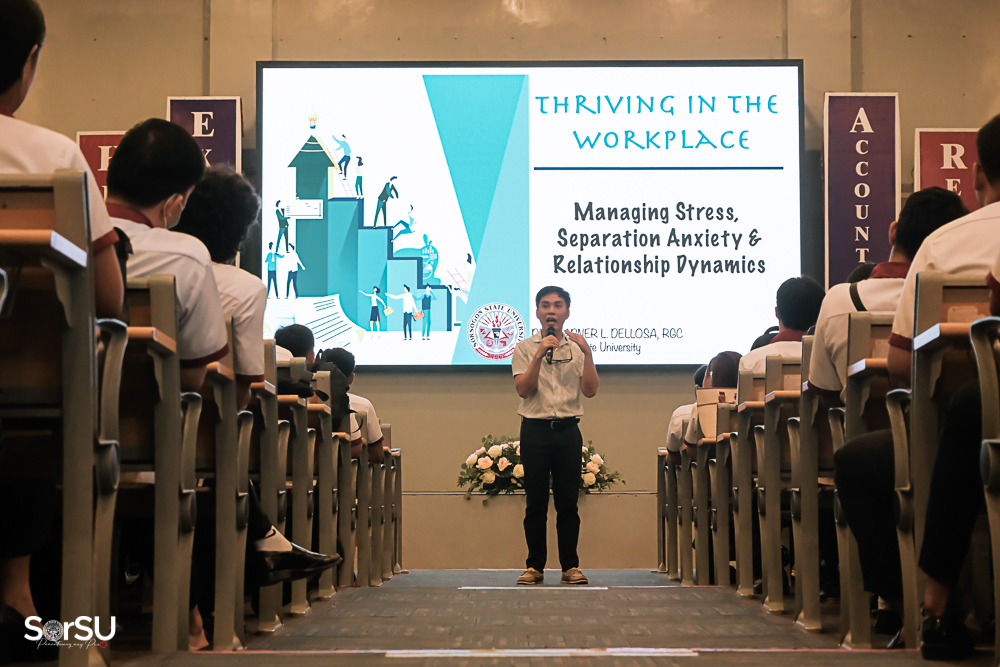
SDG 5 – Gender Equality
SorSU’s Commitment to Gender Equality and Women’s Empowerment
SorSU champions gender equality, inclusivity, and women’s empowerment through its policies, academic programs, research initiatives, and institutional practices that ensure equal opportunities for all members of its community.
Research on Gender Equality
SorSU contributes to advancing gender-sensitive scholarship through research that highlights women’s roles in education, health, and community development. The study “Exploring Clinical Practice Education for Student Midwives: Hospital and Community Opportunities and Challenges” focuses on a female-dominated health profession, examining both the empowerment and challenges faced by women in healthcare education and practice. This research strengthens SorSU’s advocacy for gender-responsive curriculum and workplace environments.
Women’s Access to Higher Education
The University remains committed to widening access to education for women, particularly those who are first-generation learners. In Academic Year 2023–2024, SorSU recorded 2,706 female students starting degree programs, with 453 identified as first-generation women students. This demonstrates SorSU’s success in breaking educational barriers and promoting gender-inclusive access to higher learning. Policies supporting women’s applications and entry, alongside targeted mentoring, scholarships, and access schemes, ensure equitable opportunities for women’s advancement. The University also encourages women’s participation in underrepresented disciplines, such as STEM and technical fields, through outreach programs and collaborations with other universities, government agencies, and NGOs at the regional and national levels.
Women in Leadership and Academic Achievement
SorSU fosters gender balance in leadership, with female senior academics comprising 63 out of 127 senior faculty members—representing nearly half of all leadership positions. This reflects the University’s commitment to women’s representation in decision-making roles. Among the 2,532 graduates, 1,474 were women, distributed across all disciplines: 663 in STEM, 191 in Medicine and allied fields, and 620 in Arts, Humanities, and Social Sciences—underscoring women’s growing presence and success in both traditional and emerging fields.
Policies and Support for Women and Families
The University upholds a comprehensive policy framework promoting gender equity and non-discrimination. This includes policies protecting women and transgender individuals from discrimination, as well as supportive provisions such as maternity and paternity leave, and childcare facilities for both students and staff. SorSU also implements mentoring schemes for women, tracks their graduation and career progression, and ensures that individuals reporting discrimination are protected under institutional policy.
SorSU’s integrated approach—spanning research, leadership representation, equitable access, and policy implementation—demonstrates a deep institutional commitment to SDG 5: Gender Equality. The University continues to cultivate a campus culture where women and all gender identities are empowered to thrive, lead, and contribute to sustainable development.
(More data available at https://sorsu.edu.ph/sdg-5-gender-equality/)
Data set for SDG 5 – Gender Equality
Research on Gender Equality
• Exploring Clinical Practice Education for Student Midwives: Hospital and Community Opportunities and Challenges (Focus on a female-dominated health profession)
Proportion of first-generation female students
Proportion of women first-generation
5.2.1 Number of women starting a degree: 2,706
– Number of Women Starting a Degree-1st Sem AY 2023-2024
– Number of Women Starting a Degree-2nd Sem AY 2023-2024
5.2.2 Number of first-generation women starting a degree: 453
– Proportion of First-Generation Female Students Year 2023
5.2.3 Number of Students starting a degree – 5,170
-Students Starting a Degree Link 1
5.2.4 Number of first-generation students starting a degree – 728
– Proportion of First-Generation Female Students Year 2023
5.2.5 Number of students – 17,165
Student access measures
Tracking access measures |Link 1 |
–Reiteration of Policy on Students Admission Pursuant to the BOR – Approved Academic Manual
– Students Handbook – Admission Policies (Page 5)
Policy for women applications and entry |Link 1 |
–Reiteration of Policy on Students Admission Pursuant to the BOR – Approved Academic Manual
Women’s access schemes
Mentoring
Scholarship
–5.3.3 Scholarships – Learning Development Program
–List of Students Receiving Scholarship
–List of Female Employees with Scholarship
–Student access measures (Scholarship Women)
Other provision
–Reiteration of Policy on Students Admission Pursuant to the BOR – Approved Academic Manual
Women’s application in underrepresented subjects |Link 1 |
Encourage applications by women in subjects where they are underrepresented.
– 5.3.4 Women’s application in underrepresented subjects
–Reiteration of Policy on Students Admission Pursuant to the BOR – Approved Academic Manual
Proportion of senior female academics: 63 females and 64 male
Number of senior academic staff: 127
Number of female senior academic staff: 63
Proportion of women receiving degrees
Proportion of female degrees awarded: 1,474
Number of graduates: 2,532
Number of graduates by subject area (STEM, Medicine, Arts & Humanities / Social Sciences): 2,373
Number of graduates – STEM: 1,376
Number of graduates – Medicine: 202
Number of graduates – Arts & Humanities / Social Sciences: 795
Number of female graduates by subject area (STEM, Medicine, Arts & Humanities / Social Sciences): Total: 1,474
Number of female graduates – STEM: 663
Number of female graduates – Medicine: 191
Number of female graduates – Arts & Humanities / Social Sciences: 620
Women’s progress measures
Policy of non-discrimination against women
Non-discrimination policies for transgender
– Policy of non-discrimination against women
– Reiteration of Policy on Students Admission Pursuant to the BOR – Approved Academic Manual
Maternity policy
Childcare facilities for students
Childcare facilities for staff and faculty
Women’s mentoring schemes
Track women’s graduation rate
Policies protecting those reporting discrimination
Paternity policy
NEWS HIGHLIGHTS
Designed to educate and sensitize personnel in general services and maintenance roles about issues related to Sexual Orientation, Gender Identity and Expression, and Sex Characteristics (SOGIESC), the Office of Gender and Development organized a training themed “Transforming Workspaces: SOGIESC Sensitivity for General Services and Maintenance Staff” on August 17, 2024, at Mai’s Hotel and Resort, Caricaran Bacon, Sorsogon City.
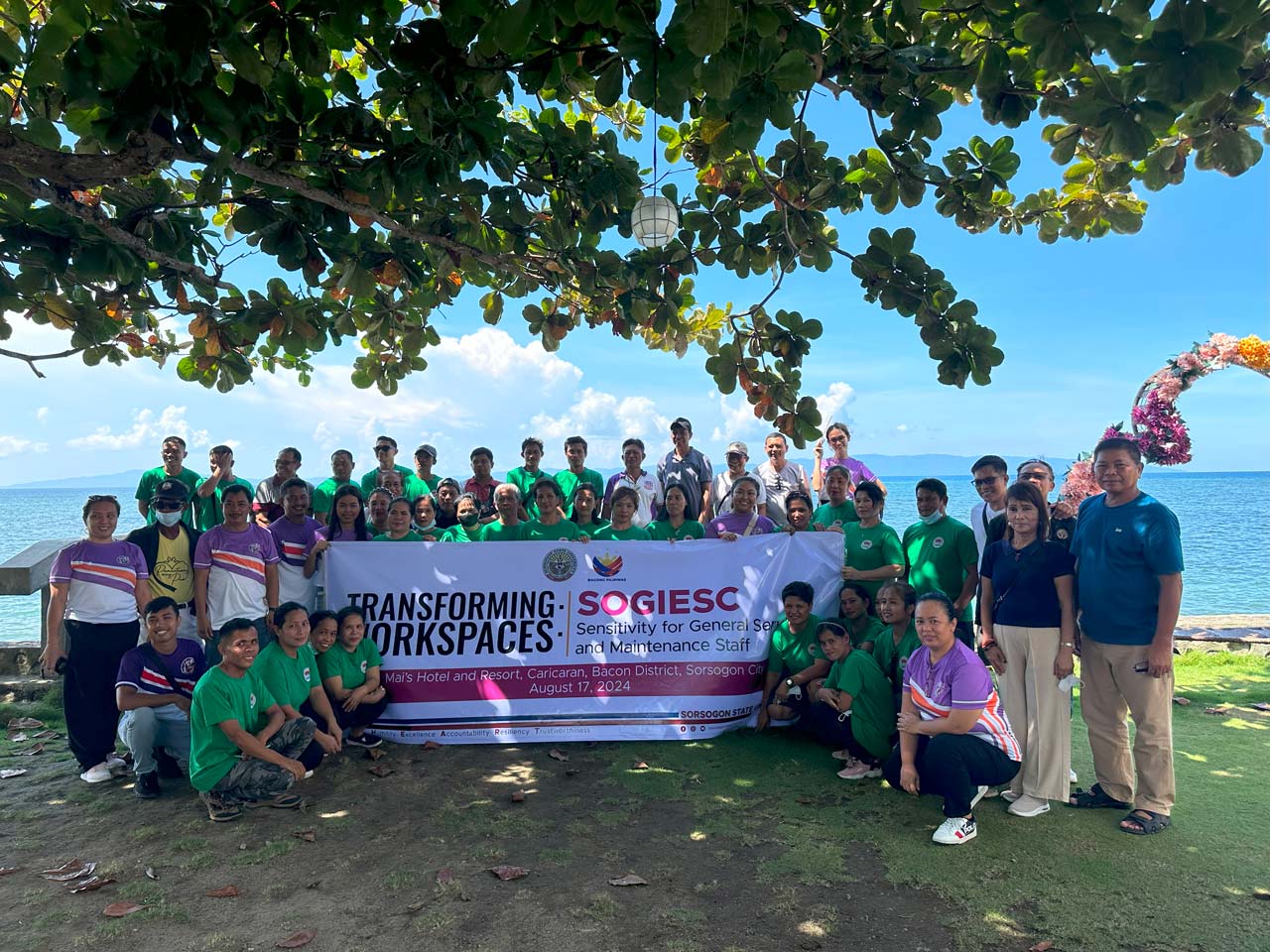
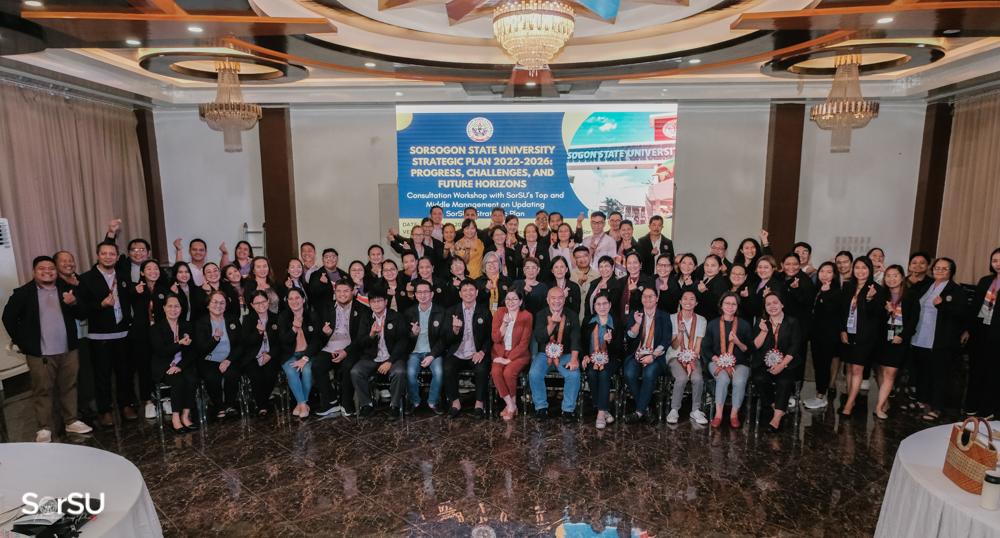
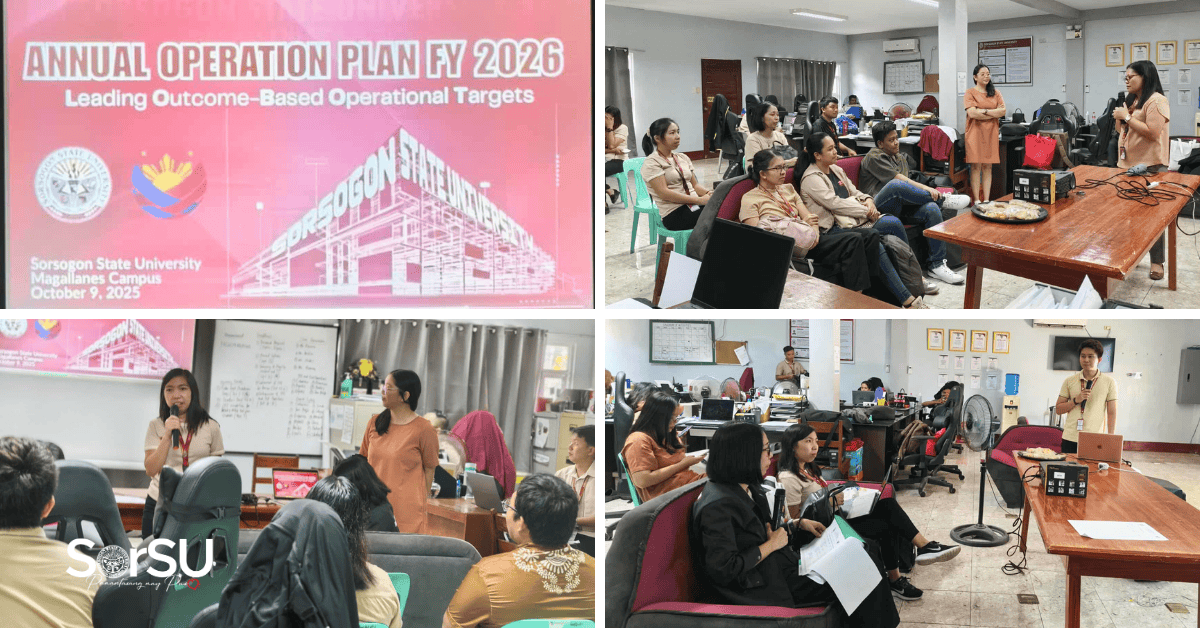
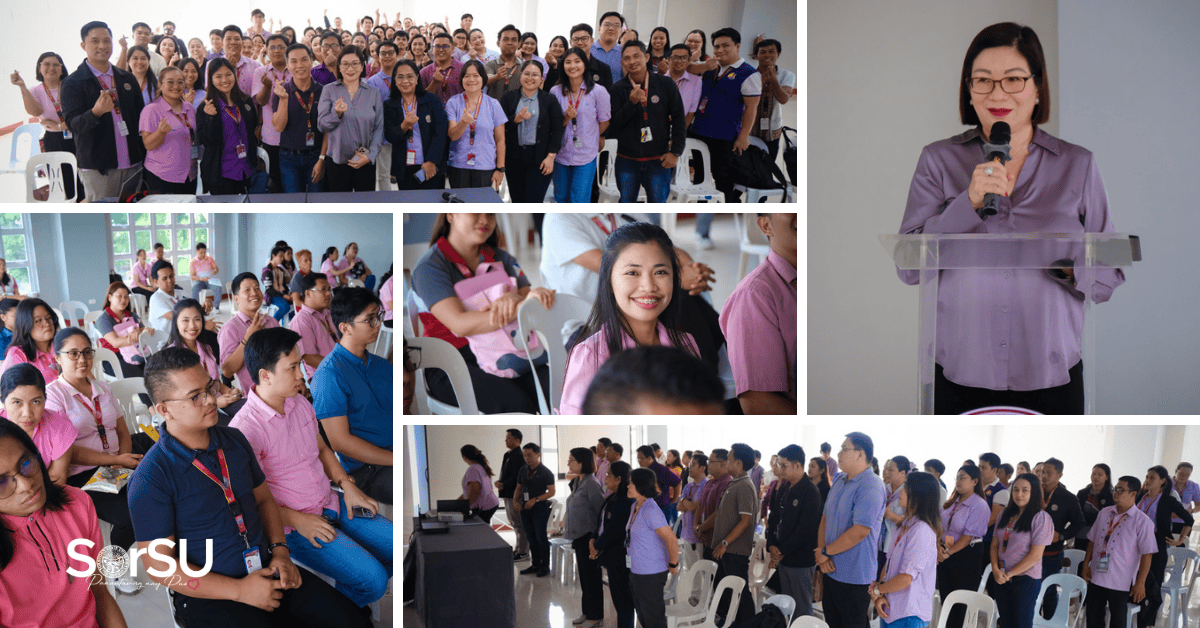
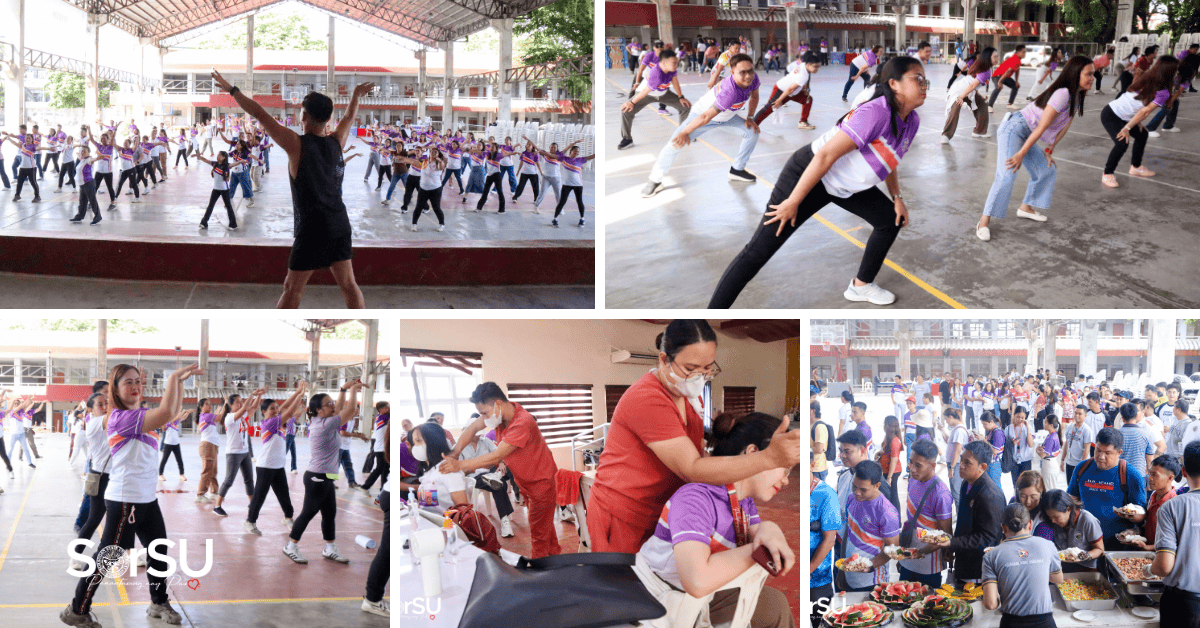
SDG 8 – Decent Work and Economic Growth
SorSU’s Commitment to Decent Work and Economic Growth
SorSU actively supports sustainable economic growth, decent employment, and equitable workplace practices by integrating economic development goals into its research agenda, institutional policies, and community programs. Through its commitment to fair labor, inclusive growth, and responsible resource management, the University contributes to building resilient communities and an empowered workforce in the Bicol region and beyond.
Research on Economic Growth and Employment
SorSU’s research initiatives reflect a multifaceted approach to understanding and improving local and national economic systems. The study “Exploring Faculty Profile and Technology Transfer Initiatives of a Newly-Instated State University in the Philippines” investigates how higher education institutions can serve as catalysts for innovation and regional productivity through faculty development and knowledge transfer. Meanwhile, “Seaweed Crop Insurance in Sorsogon” focuses on strengthening economic resilience among small-scale seaweed farmers by exploring sustainable risk management practices for coastal livelihoods—an essential component of the province’s blue economy. The University’s research “The Social Support Systems and Needs of Private Senior High School Teachers in Writing Research” addresses employment stability and professional development, while “Exploring the Sobre Vote-Buying in Rural Villages: The Live Experiences of Poor Voters in the Philippines” sheds light on how economic vulnerabilities influence political and social participation. Collectively, these studies emphasize SorSU’s strong link between education, employment, and inclusive economic empowerment.
Employment Practices and Workforce Well-Being
SorSU ensures decent work conditions for all employees through institutionalized policies that promote living wages, job security, and fair treatment. The University provides clear documentation of employment practices, including overtime pay, service credits, and equitable compensation guided by National Budget Circular No. 594 and the Salary Adjustment 2024. The University’s Non-Teaching Association and Faculty Organization maintain active dialogue and transparency through public minutes, assemblies, and published reports, upholding employees’ freedom of association and collective bargaining rights. Labor relations are strengthened by grievance mechanisms, such as the SorSU College Code on Grievance and updates to the Committee on Decorum and Investigation (CODI), ensuring that all personnel have access to fair and confidential appeal processes. SorSU also maintains non-discriminatory employment policies, including an Equal Opportunity Plan, a Non-Discrimination Policy for Transgender Individuals, and the Use of Non-Sexist Language in all official communications. These measures reinforce inclusivity, gender equality, and respect in the workplace.
Commitment to Ethical Labor and Modern Employment Standards
The University strictly adheres to national labor standards that prohibit exploitative or forced labor, ensuring fair workload compensation and service credits for faculty and staff involved in accreditation and institutional activities. Transparent employment postings, open to the public, reflect the University’s adherence to fair hiring and promotion practices. Outsourced workers are also covered under equivalent rights and protections, demonstrating SorSU’s commitment to ethical employment across all sectors of its operations.
Workforce Equity, Representation, and Pay Scale Monitoring
SorSU monitors pay scale equity and gender representation across its workforce through gender-disaggregated tracking systems and visualized reports on wage parity and gender equity. With 674 total employees, of which 345 hold contracts exceeding 24 months, SorSU provides a high proportion of secure employment, reflecting institutional stability and commitment to long-term professional development. Financial transparency is maintained through the Consolidated Statement of Financial Performance (2024), showing a university expenditure of ₱609,603,418.51, which includes staff development, compensation, and benefits—an investment in human capital that sustains institutional excellence.
Student Employment and Industry Experience
SorSU also promotes employability through experiential learning. Out of 17,165 students, 1,138 participated in work placements lasting more than a month, gaining practical experience that enhances job readiness and professional competence. These opportunities bridge the gap between academic learning and the labor market, preparing SorSU graduates to contribute effectively to regional and national economies.
In essence, SorSU’s integrated strategy—combining research-driven insights, ethical employment policies, and student employability programs—demonstrates its full commitment to SDG 8: Decent Work and Economic Growth. The University not only sustains a fair, inclusive, and equitable workplace for its employees but also equips its students and partner communities with the skills, values, and opportunities to thrive in an evolving economy.
(More data available at https://sorsu.edu.ph/sdg-8-decent-work-and-economic-growth/)
Data set for SDG 8 – Decent Work and Economic Growth
Research on economic growth and employment
Exploring faculty profile and technology transfer initiatives of a newly-instated state university in the Philippines
Seaweed crop insurance in Sorsogon
The Social Support Systems and Needs of Private SHS Teachers in Writing Research
Exploring the Sobre Vote-Buying in Rural Villages: The Live Experiences of Poor Voters in the Philippines (Linked to economic aspects of political processes)
Employment practice
Employment practice living wage
Employment practice unions
– SorSU Non-Teaching Association Public Minutes | 2023 | 2024 |
– SorSU Sorsogon City Faculty Organization Public Minutes | Communication | Report |
Employment policy on discrimination
– Announcement of Vacancies (For Public)
– Equal Opportunity Plan
– Non-Discrimination Policy for Transgender Individuals with Gender Conforming Uniform
– Use of Non-Sexist Language in All Official Documents Communications and Issuances
– Publication 2024 & MSP
– Publication Posted in Bulletin for Public
– TWG for Faculty Manual Revision
Employment policy modern slavery
– Overtime Pay during 2022 AACUP Accreditation
– Office Order – Teaching Overload 1st Sem 2023-2024 (Service Credit)
– Office Order – Teaching Overload 1st Sem 2023-2024
– Office Order – Teaching Overload 2nd Sem 2023-2024
– Request for Overtime AACCUP Accreditation – BSHM BSTM BTVTEd BSEd BT 2023
– Request Letter for Overtime during AACCUP Accreditation 2022
– Request Letter for Overtime during AACCUP Extension – BT BSEd 2024
Employment practice equivalent rights outsourcing
– Contracts with outsource services
Employment policy pay scale equity
– Employment policy pay scale equity (Policy)
– NATIONAL BUDGET CIRCULAR NO-594
– Salary Adjustment 2024
Tracking pay scale for gender equity
– Graphical Representation Gender Equity
– Graphical Representation Wage Pay Equity
Employment practice appeal process
– SorSU College Code on Grievance
– SorSU Office Order 065 – Updates on CODI 2024
– SorSU Office Order 112 – Updates on CODI 2024
– SorSU Office Order CODI Members 2025
– SorSU Office Order PIC and CODI Secretary 001
Recognize labor rights (Freedom of association and collective bargaining) for all, including women and international staff
– SorSU Non-Teaching Association Public Minutes | 2023 | 2024 | Program 2023 | Program 2024 |
– SorSU Sorsogon City Faculty Organization Public Minutes | Communication | Program of General Assembly | Constitution and By-Laws of the SSCFO-SCI |
Expenditure per employee | Link 1 |
Number of employees: 674
University expenditure: 609,603,418.51
– Consolidated Condensed Statement of Financial Performance 2024 – All Funds
– Consolidated Detailed Statement of Financial Performance 2024 – All Funds (1)
– Consolidated Detailed Statement of Financial Performance 2024 – All Funds
Proportion of students taking work placements
Proportion of students with work placements
Number of students with work placements for more than a month: 1,138
– Number of Students (Request Access): 17,165
– Number of Students with work Placements
Proportion of employees on secure contracts
Number of employees: 674
Number of employees on contracts of over 24 months: 345
– No. of Employees on Contract as of December 2024
NEWS HIGHLIGHTS
Sorsogon State University (SorSU) actively participated in the Inter-Agency Forum on the EU Regulations on Pili Nut Export: Implications and Impact on the ABS Value Chain in the Philippines, held on April 10-11, 2025, at the Proxy by the Oriental, Legazpi City, Albay.
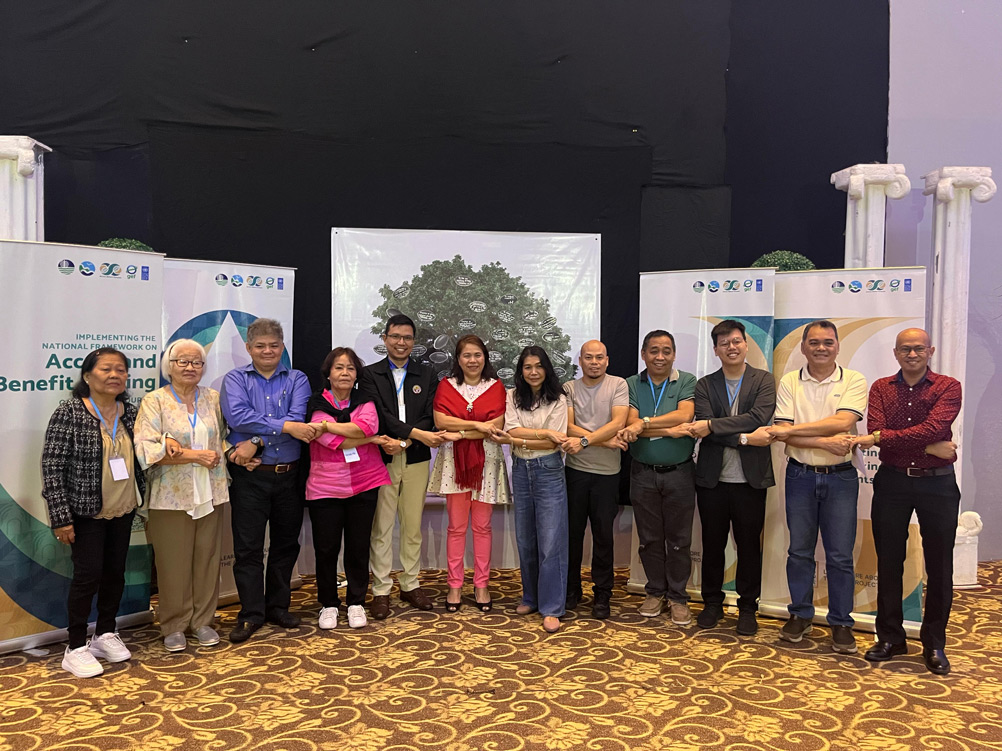
Number of students: 16,681
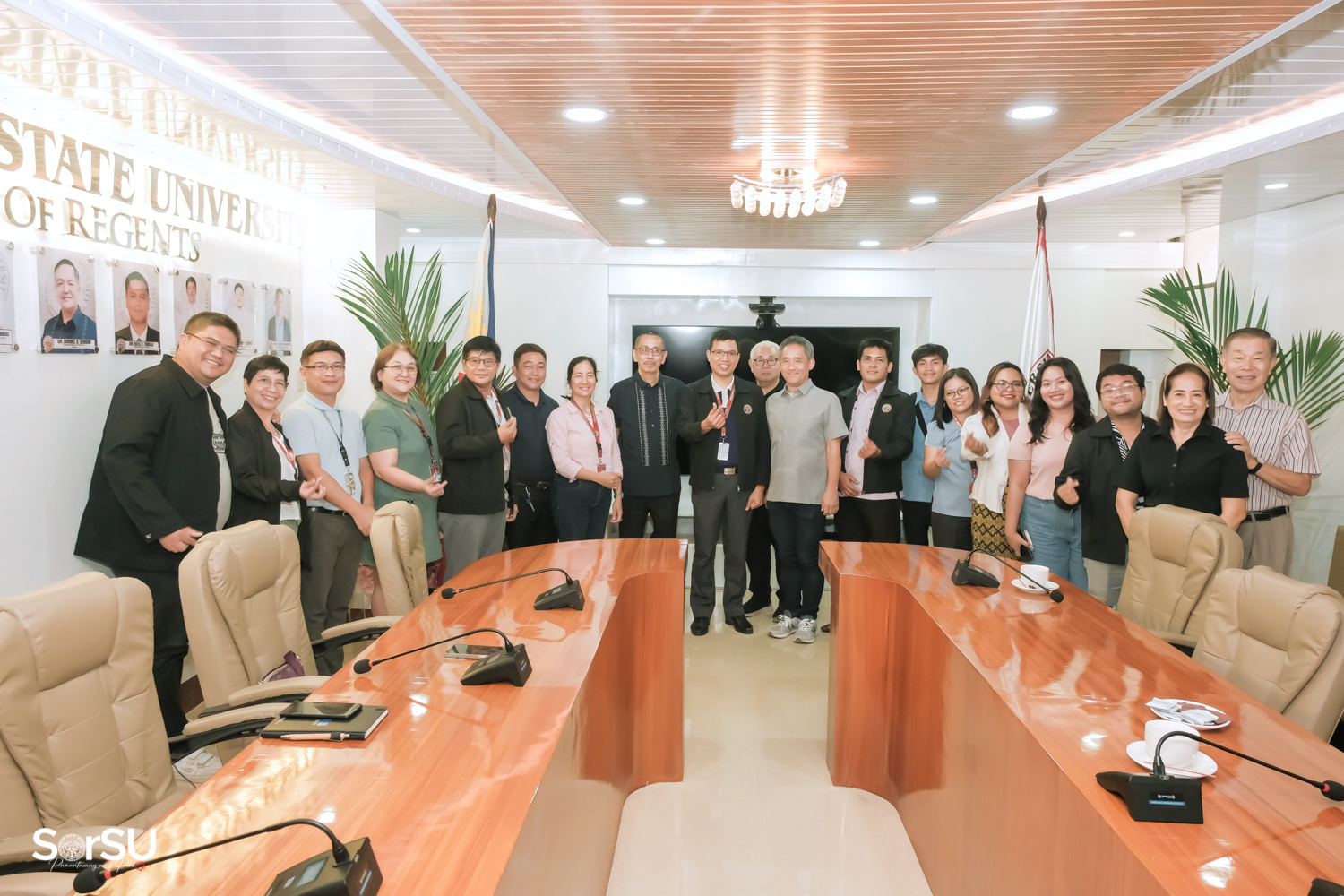
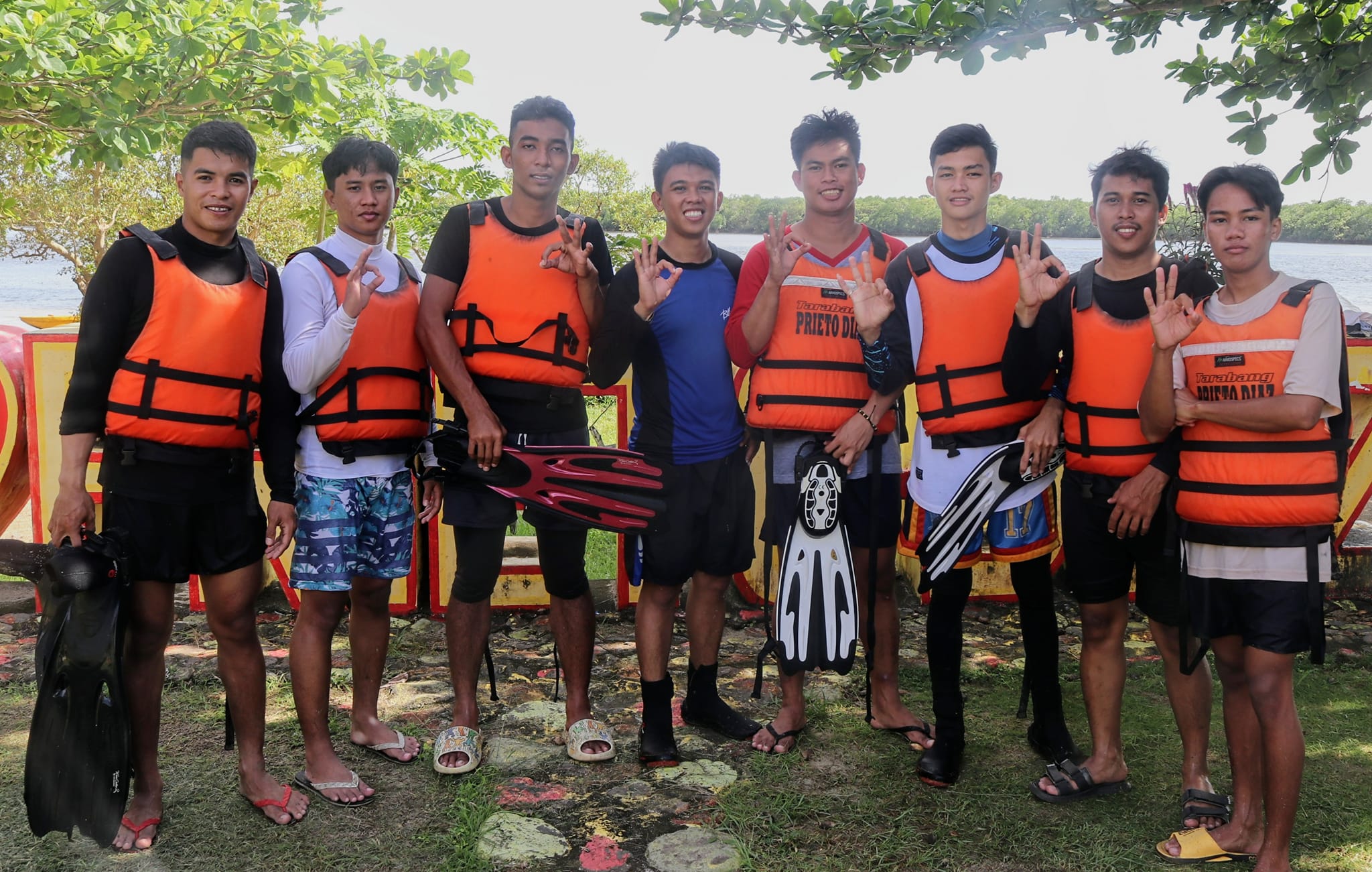
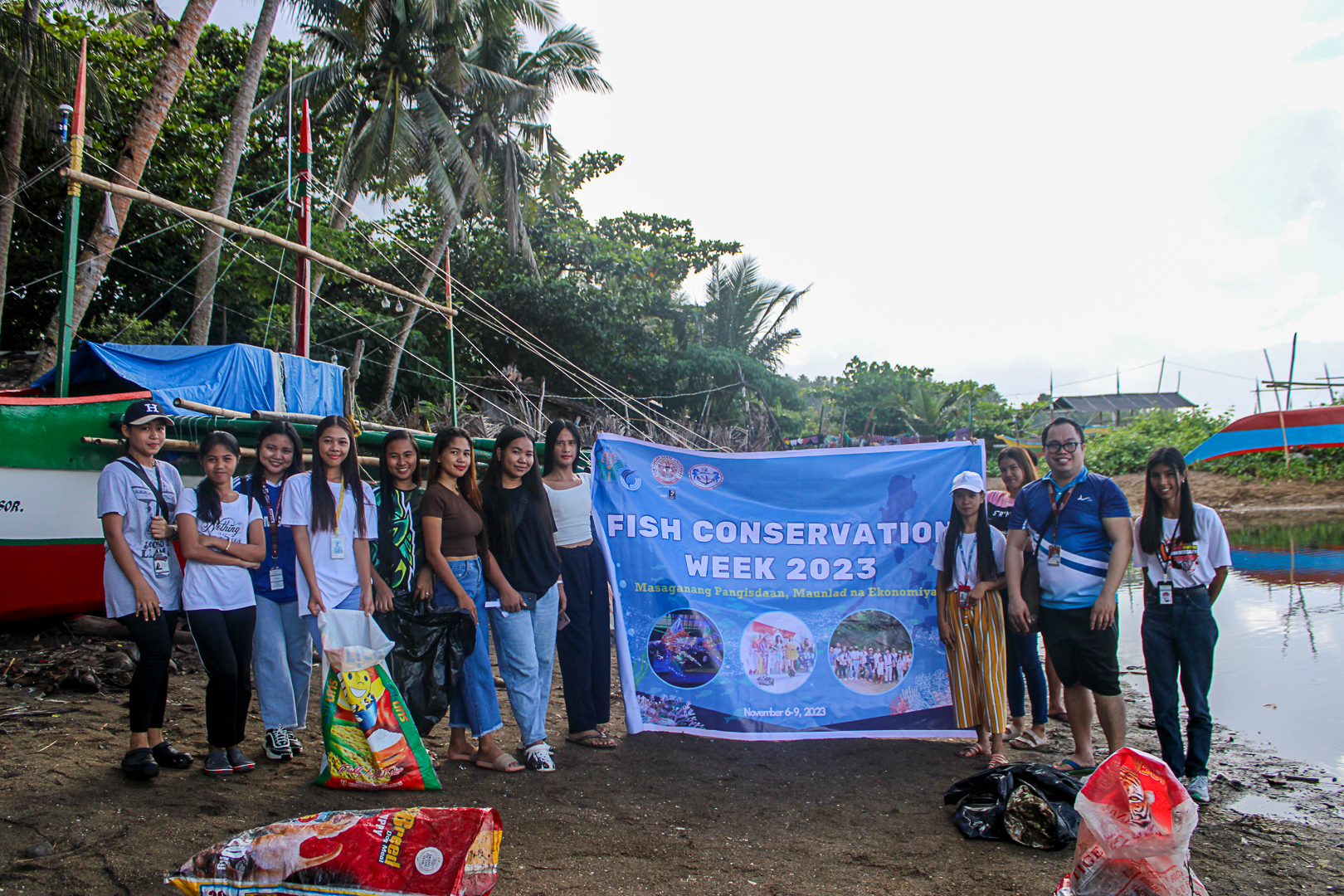
SDG 14 – Life Below Water
SorSU’s Commitment to Life Below Water initiatives
Sorsogon State University (SorSU) continues to demonstrate its strong commitment to the sustainable management of marine and freshwater resources through research, extension, policy development, and inter-institutional collaboration. Its diverse initiatives under SDG 14: Life Below Water collectively aim to conserve aquatic ecosystems, promote sustainable fisheries, and enhance the resilience of coastal communities in Sorsogon and neighboring provinces.
Advancing Aquatic Research and Biodiversity Studies
SorSU has been actively engaged in research that advances scientific understanding of marine biodiversity and supports the sustainable utilization of aquatic resources. Recent projects include:
“Selection of Fast-Growing Seaweed Cultivars in Palawan, Philippines,” which investigates high-yield and resilient seaweed strains to improve local aquaculture practices;
“New Record of Gracilaria phuquocensis (Gracilariaceae, Rhodophyta) in the Philippines,” documenting a new seaweed species that contributes to the country’s biodiversity inventory;
“Seaweed Diversification Driven by Taiwan’s Emergence and the Kuroshio Current,” exploring phylogeographic patterns of Dichotomaria species that enrich regional understanding of oceanic ecological systems; and
“Seaweed Crop Insurance in Sorsogon,” a pioneering research initiative linking marine livelihood protection to climate resilience and economic sustainability.
Complementing these marine-focused projects, SorSU’s “Mangrove Reforestation, Protection, and Conservation Initiatives: The Case of Sorsogon Bay Rompeolas” highlights the University’s active role in maintaining coastal ecosystems that serve as nurseries for fish and other marine species. This project integrates research, reforestation, and community participation, emphasizing mangroves’ ecological and socio-economic value.
Supporting Aquatic Ecosystems Through Education and Outreach
SorSU integrates environmental education and awareness into its extension and outreach programs, engaging both students and local communities in aquatic ecosystem protection.
Activities such as the Tilapia Fry Dispersal Project, FishCon2024, and Project HATE (Headway Towards Awareness on Trends and Research Experiences in Marine Plastic Pollution) demonstrate the University’s sustained commitment to fostering ecological literacy. These programs involve collaborative seminars, workshops, and field-based learning experiences addressing topics such as marine plastic pollution, responsible fisheries, and water resource management. Notable educational outputs include awareness articles and campaigns like “From Spark to Waves, We’re Making Marine History,” “Kicking Off the Month of the Ocean 2025,” and “Scuba Diving in Sorsogon: Challenges, Victories, and Foresight.” These initiatives communicate the importance of marine conservation to both academic and non-academic audiences.
Promoting Sustainable Fisheries and Responsible Marine Stewardship
Through multi-sector partnerships and extension activities, SorSU promotes sustainable aquaculture and marine resource management. The University’s collaboration with the Bureau of Fisheries and Aquatic Resources (BFAR), Local Government Units (LGUs), and World Wide Fund for Nature (WWF) resulted in education-driven programs that train local fisherfolk, teachers, and students in responsible fishing and aquaculture practices.
The Marine Plastic Pollution Seminar-Workshop and community projects under Project HATE are key examples of how SorSU integrates research with outreach, addressing both environmental and livelihood concerns.
Furthermore, SorSU’s initiatives during Fisheries Conservation Week (2023) and FishCon2024 encouraged dialogues and activities promoting sustainable fishing and awareness on overfishing, illegal, and unregulated fishing practices.
Monitoring, Policy Development, and Ecosystem Stewardship
SorSU also plays a vital role in shaping local policies and monitoring aquatic health. The Policy Brief on Marine Plastic Pollution: Occurrence of Microplastic in Sorsogon Bay by Prof. Ariel Malto offers evidence-based recommendations for reducing marine pollution and strengthening local waste management frameworks. Meanwhile, Project STREAMS (Status of Rehabilitation Efforts for Mangrove Seedlings in the Province of Sorsogon) monitors ecosystem recovery and supports mangrove restoration efforts through data-driven assessment. Complementary administrative directives such as Memo 01-s.2024 (Waste Quality Management) and Memo 06-s.2022 (Waste Quality Guidelines) ensure proper water discharge standards and waste management practices across the university campuses.
Collaborative and Industry-Linked Marine Research
SorSU has initiated international and inter-institutional linkages to strengthen marine research. Exploratory talks with Kochi University (Japan) focus on future collaborations in marine science and coastal resource management. In addition, the University’s BS Fisheries and Aquatic Sciences (BSFAS) students actively participate in field studies and aquatic ecology assessments, fostering early research engagement and environmental responsibility among the youth.
Sustaining Local Aquatic Ecosystems and Community Partnerships
In collaboration with the local community, SorSU continues to maintain shared aquatic ecosystems through field immersions and restoration drives. Notably, the SorSU-Magallanes Campus Environmental Immersion in Prieto Diaz, Sorsogon involved hands-on mangrove planting and coastal cleanup activities that strengthened community-based stewardship of marine and freshwater habitats.
These initiatives align with the University’s strategic direction to create sustainable linkages between research, education, and community action, reflecting SorSU’s integrated approach to achieving SDG 14: Life Below Water.
Through a synergistic blend of research innovation, community engagement, and evidence-based policymaking, Sorsogon State University has established itself as a regional leader in marine conservation and aquatic sustainability. Its initiatives—from seaweed biodiversity studies to mangrove rehabilitation, marine plastic research, and fisheries education programs—underscore the University’s role in safeguarding aquatic ecosystems and empowering coastal communities toward sustainable development.
(More data available at https://sorsu.edu.ph/sdg-14-life-below-water/)
Data set for SDG 14 – Life below Water
Research on life below water
– Selection of fast-growing seaweed cultivars in Palawan, Philippines
– New Record of Gracilaria phuquocensis (Gracilariaceae, Rhodophyta) in the Philippines
– Seaweed diversification driven by Taiwan’s emergence and the Kuroshio Current: insights from the cryptic diversity and phylogeography of Dichotomaria (galaxauraceae, Rhodophyta)
– Seaweed crop insurance in Sorsogon
– Mangrove Reforestation, Protection, and Conservation Initiatives: The Case of Sorsogon Bay Rompeolas, Philippines (Mangroves support marine life)
Supporting aquatic ecosystems through education
Fresh-water ecosystems (community outreach)
– Narrative Report for the Tilapia Fry Dispersal
– FishCon2024 – Proposal
– FishCon Accomplishment Report
– Article: From Spark to Waves, We’re Making Marine History
– Reel: Blue Dive Activity
– Article: Kicking Off the Month of the Ocean 2025
– Article: Scuba Diving in Sorsogon: Challenges, Victories, and Foresight
Sustainable fisheries (community outreach)
Offer educational programme or outreach for local or national communities on sustainable management of fisheries, aquaculture and tourism
– Seminar-Workshop on Marine Plastic Pollution, an Extension Activity to the Project HATE: Marine Plastic Pollution November 2023
– Narrative Report: Project HATE Marine Plastic Pollution (Headway towards Awareness on Trends and research Experiences in Marine Plastic Pollution)
– MOA with BFAR – Provincial Fisheries Office for Project Headway
– MOA with LGU of Magallanes, Sorsogon
– MOA with Magallanes National High School
– MOA with World Wide Fund (WWF)
– Narrative Report: Tilapia Fry Dispersal
– MANKnow Mangrove Awareness and Knowledge
– Article: From Spark to Waves, We’re Making Marine History
– Reel: Blue Dive Activity
– Article: Kicking Off the Month of the Ocean 2025
– Article: Scuba Diving in Sorsogon: Challenges, Victories, and Foresight
Overfishing (community outreach)
Offer educational outreach activities for local or national communities to raise awareness about overfishing, illegal, unreported and unregulated fishing and destructive fishing practices
– FishCon2024 – Proposal
– FishCon Accomplishment Report
Supporting aquatic ecosystems through action
Conservation and sustainable utilization of the oceans (events)
Support or organize events aimed to promote conservation and sustainable utilization of the oceans, seas, lakes, rivers and marine resources
– Fisheries Conservation Week 2023
– FishCon2024 – Proposal
– FishCon Accomplishment Report
– Narrative Report: Tilapia Fry Dispersal
– Article: From Spark to Waves, We’re Making Marine History
– Reel: Blue Dive Activity
– Article: Kicking Off the Month of the Ocean 2025
– Article: Scuba Diving in Sorsogon: Challenges, Victories, and Foresight
Food from aquatic ecosystems (policies)
– Article: Scuba Diving in Sorsogon: Challenges, Victories, and Foresight
– CAD-Memo-04A-s.-2024_Sustainable Food Production
– Policy Development Plan of BIGANI Association
– Policy LGU Ordinance Supporting Extension Project of the SorSU Magallanes Campus
Technologies towards aquatic ecosystem damage prevention (direct work)
– Flood Modeling
– Solid Waste Management Practices
Maintain ecosystems and their biodiversity (direct work)
Work directly (research and/or engagement with industries) to maintain and extend existing ecosystems and their biodiversity, of both plants and animals, especially ecosystems under threat
– SorSU and Kochi University start exploratory talk on marine research initiatives
– IN PHOTOS: Exploring and assessing our aquatic ecology resources with BSFAS students
Water sensitive waste disposal
Water discharge guidelines and standards
– CAD – Memo_01-s. 2024-Waste Quality Management
– CAD – Memo-06-s. 2022-Waste Quality Guidelines
Action plan to reducing plastic waste
– ESMC-Memorandum-on-Solid-Waste-Management-Practices
Reducing marine pollution (policy)
– Certificate of Copyright Registration by Prof. Ariel Malto (Policy Brief on Microplastic)
– Policy Brief: Marine Plastic Pollution – Occurrence of Microplastic in Sorsogon Bay
Maintaining a local ecosystem
Minimizing alteration of aquatic ecosystems (plan)
Monitoring the health of aquatic ecosystems
– Project STREAMS-Status of Rehabilitation Efforts for Mangrove Seedlings in the Province of Sorsogon, Philippines
Monitor the health of aquatic ecosystems
– Policy Brief: Marine Plastic Pollution – Occurrence of Microplastic in Sorsogon Bay
Programs towards good aquatic stewardship practices
– Policy Brief: Marine Plastic Pollution – Occurrence of Microplastic in Sorsogon Bay
Collaboration for shared aquatic ecosystems
Collaborate with the local community in efforts to maintain shared aquatic ecosystems
– SorSU-MC holds Two-Day Environmental Immersion in Prieto Diaz, Sorsogon
Watershed management strategy
NEWS HIGHLIGHTS
In another significant milestone toward its steadfast pursuit and commitment to becoming a research University on a global standing, Sorsogon State University (SorSU), under the leadership of SUC President III, Dr. Geraldine F. De Jesus and through the proactive involvement of SorSU – International Relations Office (IRO), SorSU – Admission Services Unit, and SorSU – Graduate School (SorSU-GS), welcomed its first visiting foreign graduate student named Ms. Blanche Fisseu, from the Universite Paris 1 Pantheon-Sorbonne (Paris 1 Pantheon-Sorbonne University), Paris, France.
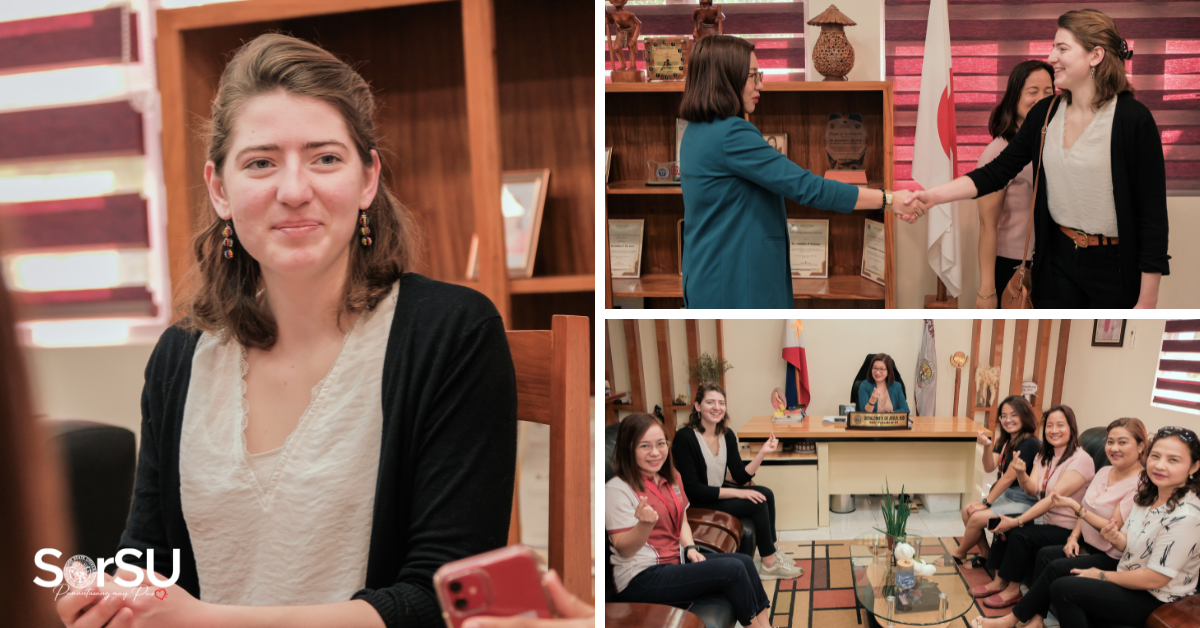
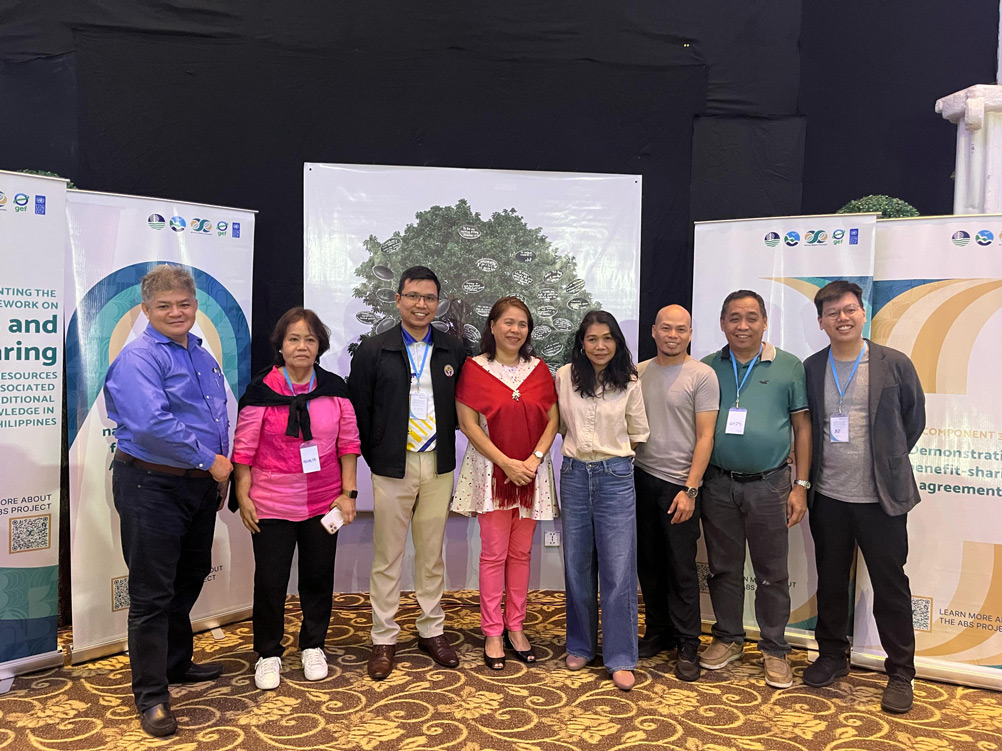
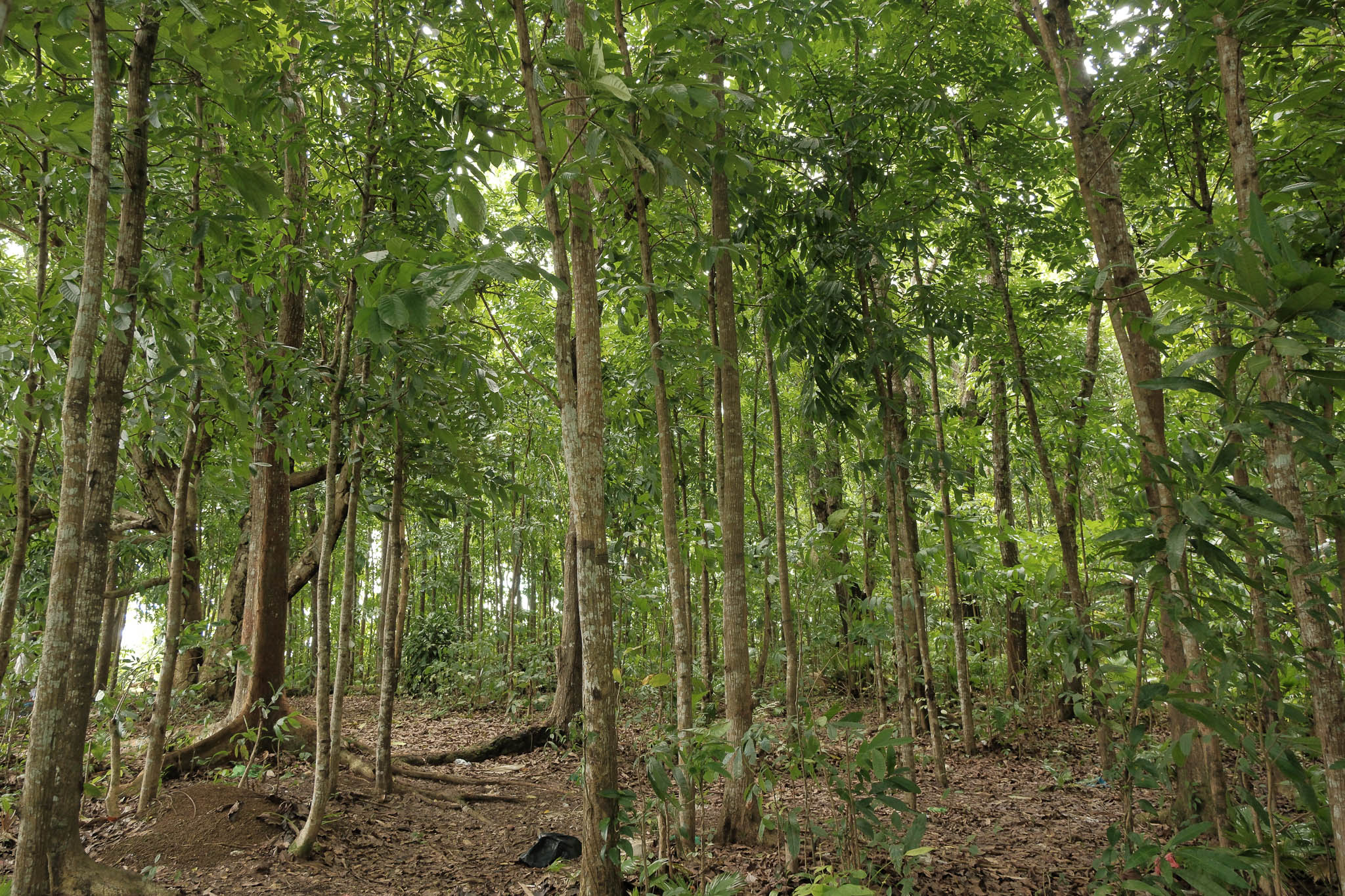
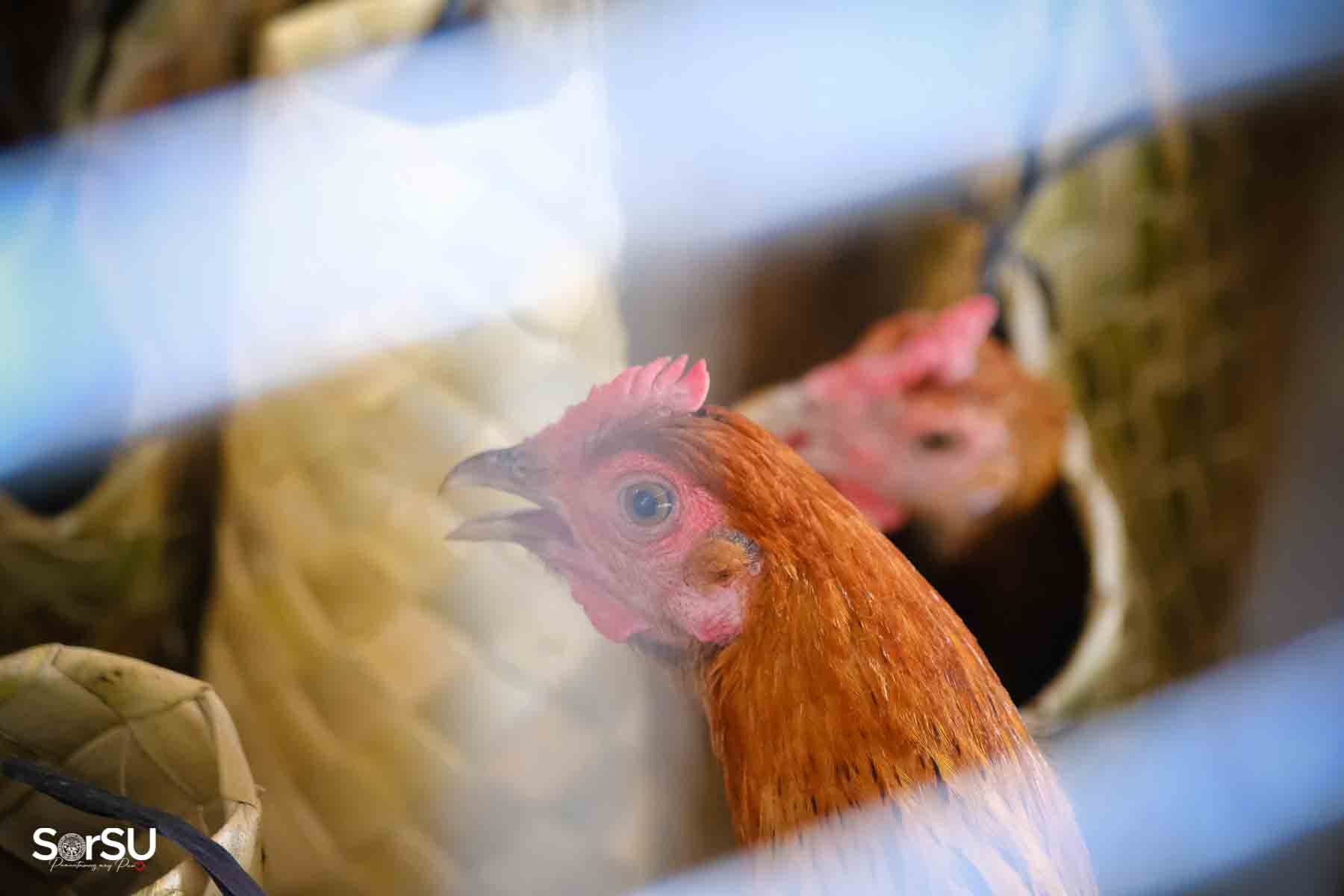
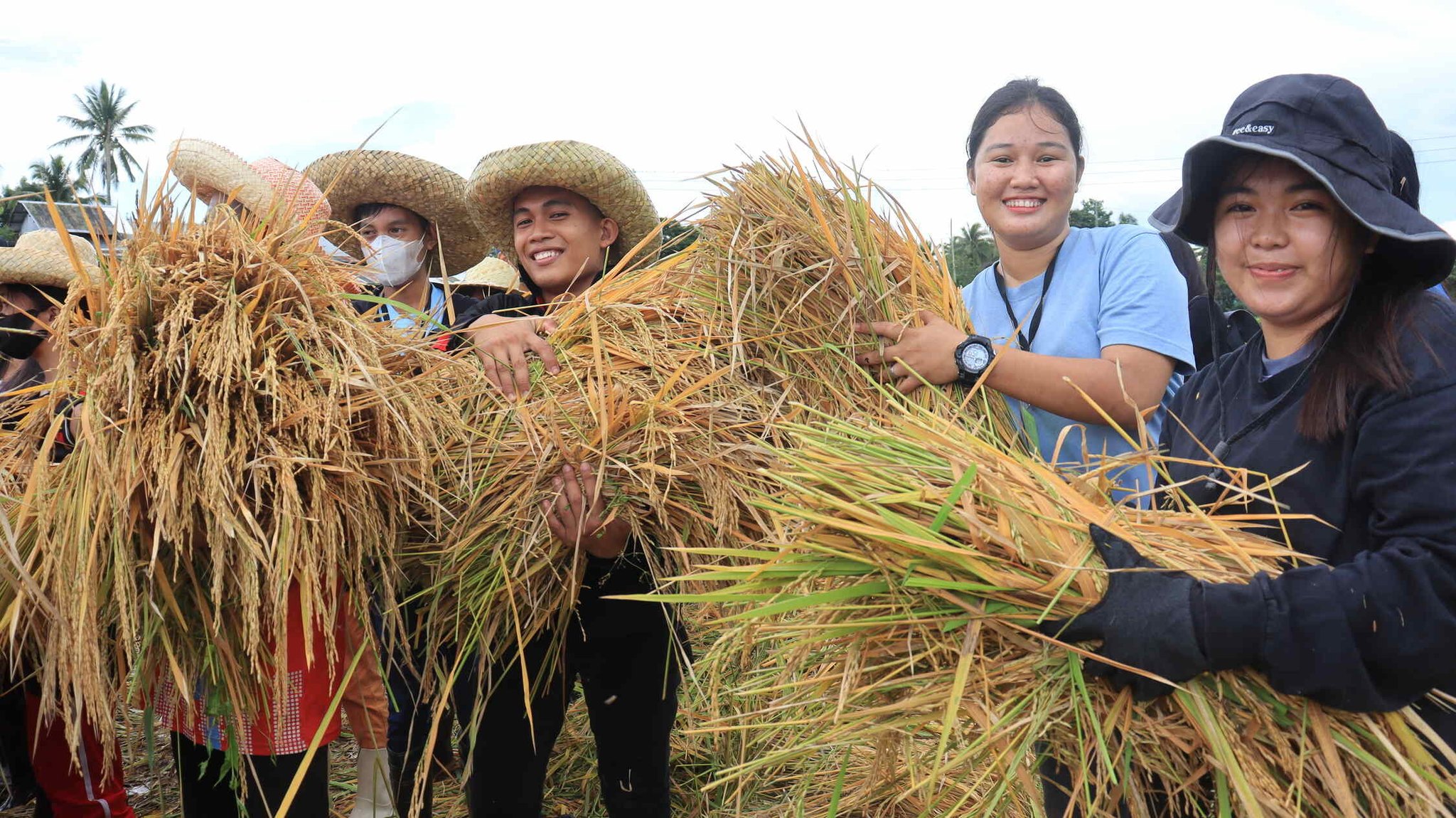
SDG 15 – Life on Land
SorSU’s Commitment to improve Life on Land
SorSU actively supports the conservation, restoration, and sustainable use of terrestrial ecosystems through research, education, community engagement, and policy development. Under SDG 15: Life on Land, the University’s projects highlight the vital relationship between land, water, and human systems—addressing biodiversity preservation, watershed management, reforestation, and sustainable land use practices across Bicol and neighboring regions.
Research for Sustainable Land and Watershed Management
SorSU undertakes significant research that advances scientific understanding of land ecosystems, climate resilience, and integrated watershed management. The study “Projecting Hydrological Response to Climate Change and Urbanization Using the WEAP Model: A Case Study for the Main Watersheds of Bicol River Basin, Philippines” provides predictive analyses of how climate change and rapid land-use conversion affect watershed behavior. Similarly, “Water Evaluation and Planning Modeling into Integrated Water Resource Management: Assessing Climate Change Impacts on Future Surface Water Supply in the Irawan Watershed of Puerto Princesa, Philippines” explores sustainable water resource strategies, reinforcing SorSU’s leadership in hydrological and environmental modeling in the region. Complementing these, “Mangrove Reforestation, Protection, and Conservation Initiatives: The Case of Sorsogon Bay Rompeolas” demonstrates the University’s cross-cutting research in both life below water and life on land. This initiative emphasizes mangroves as vital buffers between terrestrial and marine ecosystems, mitigating coastal erosion, supporting biodiversity, and enhancing local community resilience against climate change impacts. Further contributing to biodiversity research, SorSU’s Short Communication: “Botanical Assessment and Conservation Status of Medicinal Plants in the Mountain Range of Malinao, Albay” documents native flora and evaluates their conservation status—adding critical knowledge on plant diversity and ethnobotanical resources in Bicol’s upland environments.
Supporting Land Ecosystems Through Education
SorSU integrates sustainability and biodiversity awareness into its educational and extension programs. Through training and seminars, the University engages students, faculty, and local communities in sustainable land and resource management practices. The Seminar-Workshop on Pili Propagation and Nursery Management and By-Products equips local farmers and entrepreneurs with science-based techniques on sustainable agriculture, emphasizing biodiversity-friendly farming systems and the economic potential of endemic crops such as Pili nut. Across academic departments, SorSU promotes environmental literacy through coursework and extension projects on sustainable agriculture, eco-tourism, and ecosystem-based land management. These initiatives provide communities with applied knowledge on maintaining soil fertility, restoring degraded lands, and conserving native species.
Supporting Land Ecosystems Through Action
SorSU’s commitment to land conservation is operationalized through policies and direct interventions that sustain, restore, and manage ecosystems. The University integrates environmental protection measures into institutional operations, ensuring that campus activities align with sustainable land-use principles. Policies such as the ESMC Memorandum on Solid Waste Management Practices serve as frameworks for responsible waste handling and reduction, minimizing land degradation and pollution. The University likewise upholds Water Discharge Guidelines and Standards to prevent contamination of soil and waterways, while its Policy on Hazardous Waste Disposal ensures that laboratory and research materials are managed in compliance with environmental safety standards. Beyond compliance, SorSU fosters practical conservation programs such as reforestation drives, tree planting, and mangrove rehabilitation, in partnership with Local Government Units (LGUs), Department of Environment and Natural Resources (DENR), and community stakeholders. These activities demonstrate the University’s sustained effort to rehabilitate degraded lands and restore local biodiversity.
Promoting Local Biodiversity and Sustainable Land Use
SorSU actively integrates biodiversity preservation into land-use planning and campus development. The University’s landscape maintenance and agricultural programs prioritize native species and avoid the introduction of alien invasive species that may disrupt local ecosystems. Its research and outreach initiatives also advocate for the monitoring of IUCN and other conservation-listed species, ensuring that academic projects align with global and national conservation priorities. In campus and community contexts, SorSU supports sustainably farmed food production, promoting small-scale organic agriculture that demonstrates good stewardship of land resources. Through collaborations with local agencies and academic institutions, SorSU participates in joint programs that balance agricultural productivity, tourism development, and environmental protection—creating models for sustainable land use in both rural and developing urban areas.
Collaboration for Shared Land Ecosystems
Recognizing that land management transcends institutional boundaries, SorSU continues to forge partnerships that promote integrated ecosystem stewardship. Collaborations with government agencies, NGOs, and local communities have resulted in shared initiatives for forest rehabilitation, watershed protection, and eco-tourism sustainability. The University’s transdisciplinary approach—linking research, education, and policy engagement—ensures that its work contributes to long-term ecosystem stability, livelihood resilience, and climate adaptation within the Bicol Region and beyond.
Data Set for SDG 15 – Life on Land
Research on land ecosystems
– Mangrove Reforestation, Protection, and Conservation Initiatives: The Case of Sorsogon Bay Rompeolas, Philippines
– Projecting Hydrological Response to Climate Change And Urbanization Using Weap Model: A Case Study For The Main Watersheds Of Bicol River Basin, Philippines (Watershed and land management)
– Water Evaluation and Planning Modeling into Integrated Water Resource Management: Assessing Climate Change Impacts on Future Surface Water Supply in the Irawan Watershed of Puerto Princesa, Philippines (Watershed and land management
Short Communication:
Botanical assessment and conservation status of medicinal plants in mountain range of Malinao Albay, Philippines
Supporting land ecosystems through education
Events about sustainable use of land
– Seminar-Workshop on Pili Propagation and Nursery Management and By-Products
Sustainably farmed food on campus
Maintain and extend current ecosystems’ biodiversity
– Botanical assessment and conservation status of medicinal plants in mountain range of Malinao Albay, Philippines
Educational programmes on ecosystems
– Botanical assessment and conservation status of medicinal plants in mountain range of Malinao Albay, Philippines
Sustainable management of land for agriculture (educational outreach)
Sustainable management of land for tourism (educational outreach)
Supporting land ecosystems through action
Sustainable use, conservation and restoration of land (policy)
Monitoring IUCN and other conservation species (policies)
– Botanical assessment and conservation status of medicinal plants in mountain range of Malinao Albay, Philippines
Local biodiversity included in planning and development
Alien species impact reduction (policies)
Collaboration for shared land ecosystems
Land sensitive waste disposal
Water discharge guidelines and standards
Policy on plastic waste reduction
– ESMC-Memorandum-on-Solid-Waste-Management-Practices
Policy on hazardous waste disposal
NEWS HIGHLIGHTS
In line with its commitment to advancing research-based innovation, the Sorsogon State University-Research, Extension, and Training (RET) launched its inaugural Research Seminar Series (ReSeS) on December 11, 2024, at the SorSU Main Library, Sorsogon City Campus.
The event was introduced by Dr. Ryan V. Dio (VP for Research, Extension, & Training), who outlined the program’s role in enhancing academic research. An audiovisual presentation highlighted RET’s goals and key areas of focus.
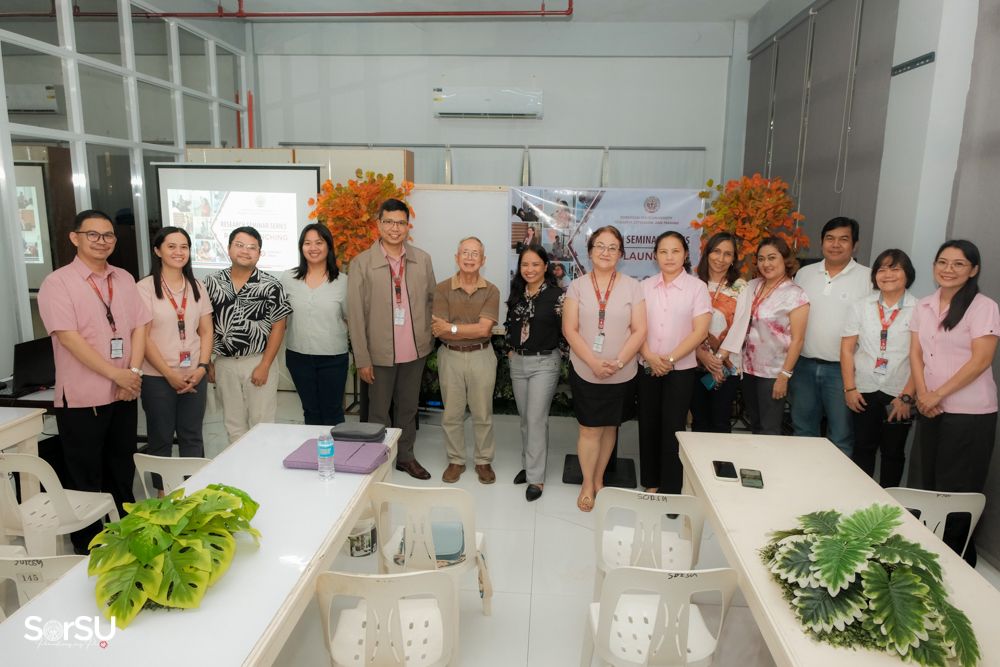
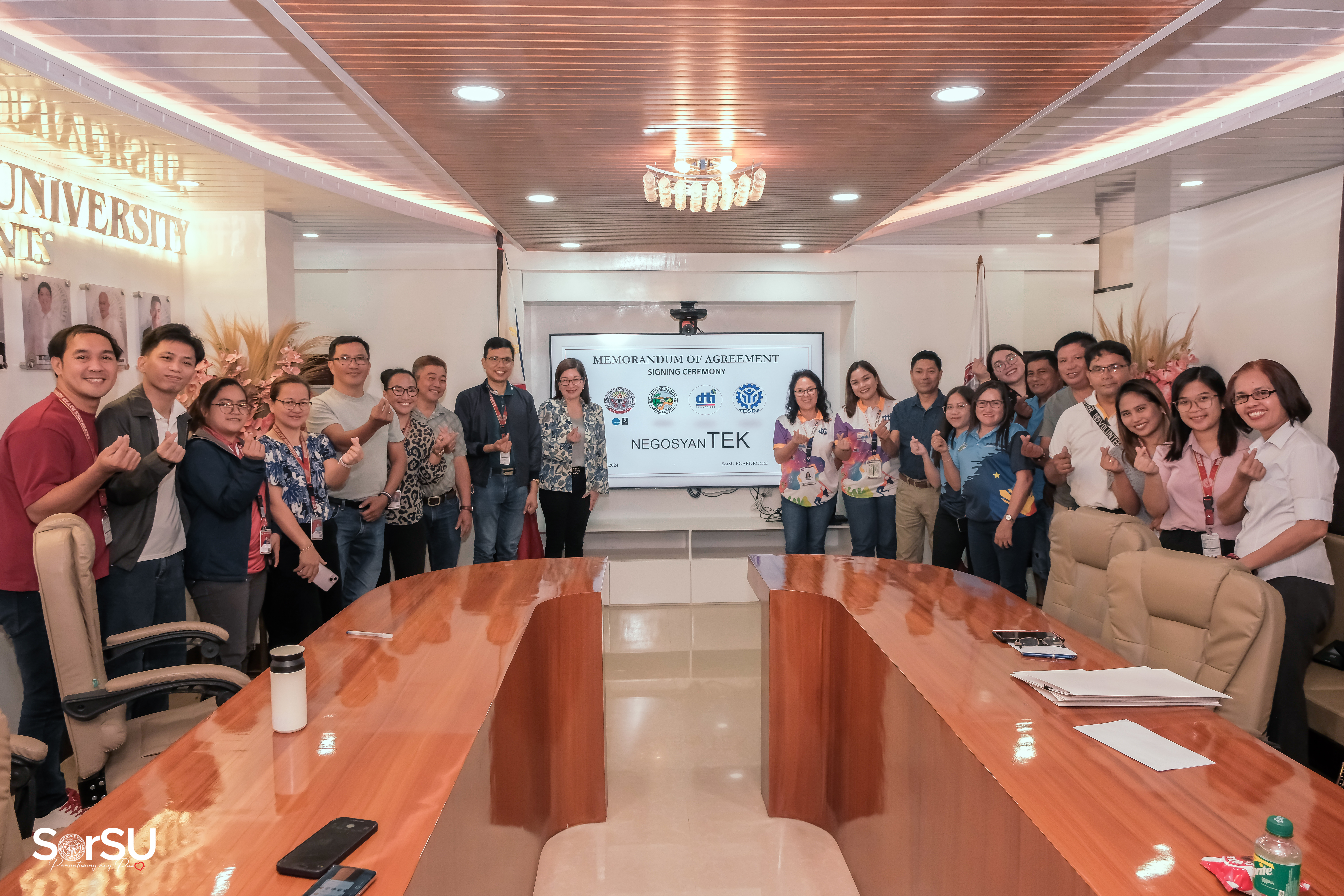
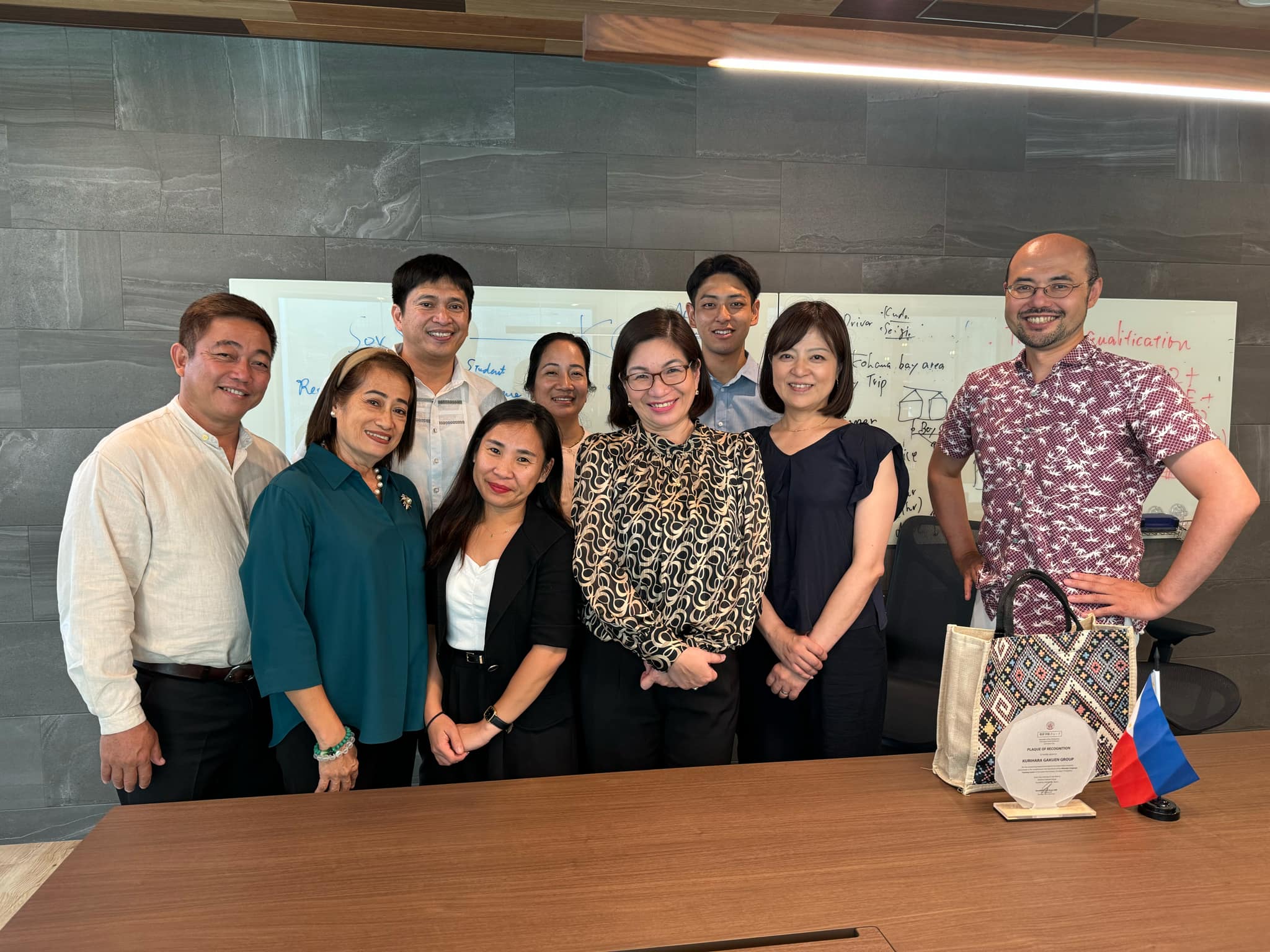
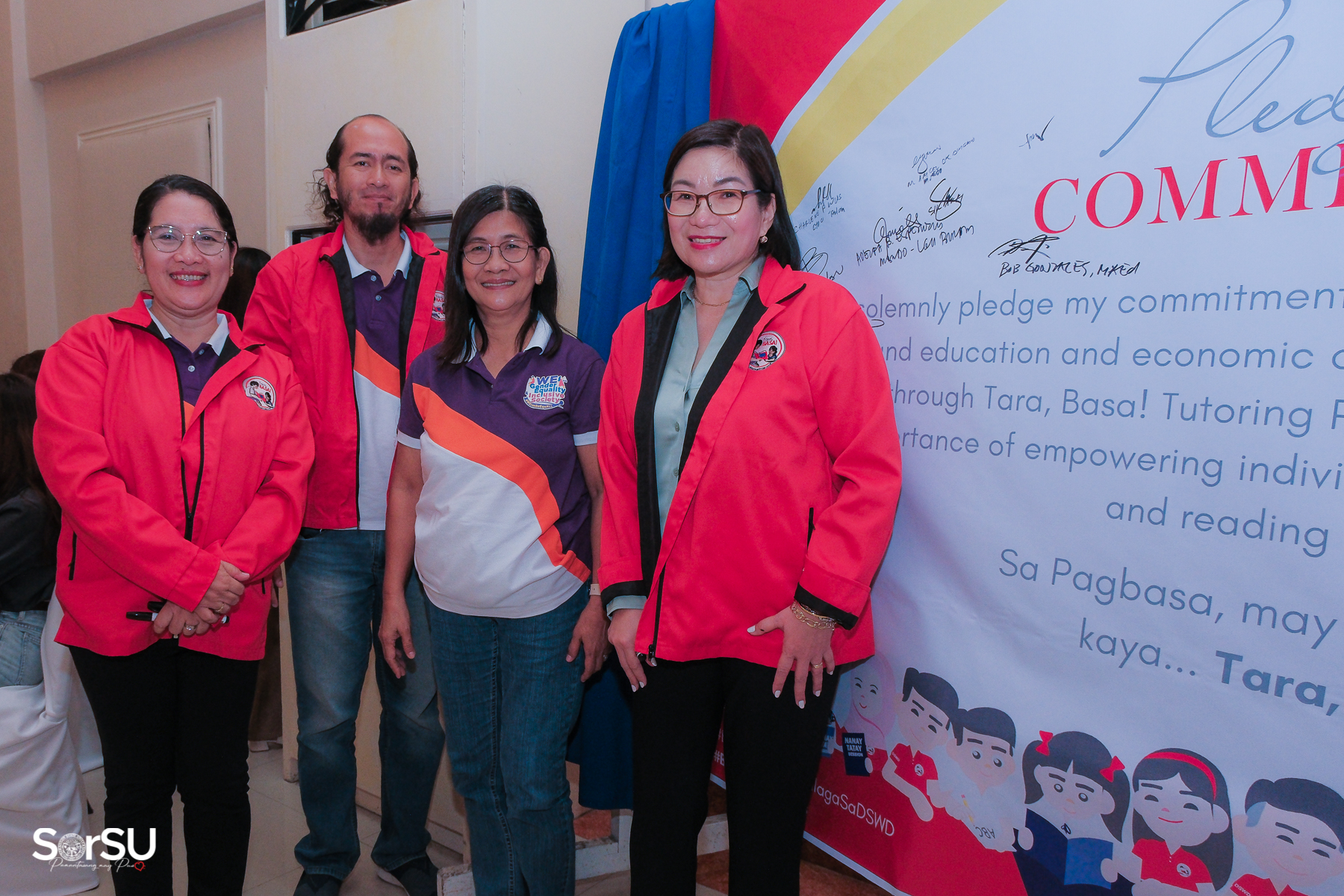
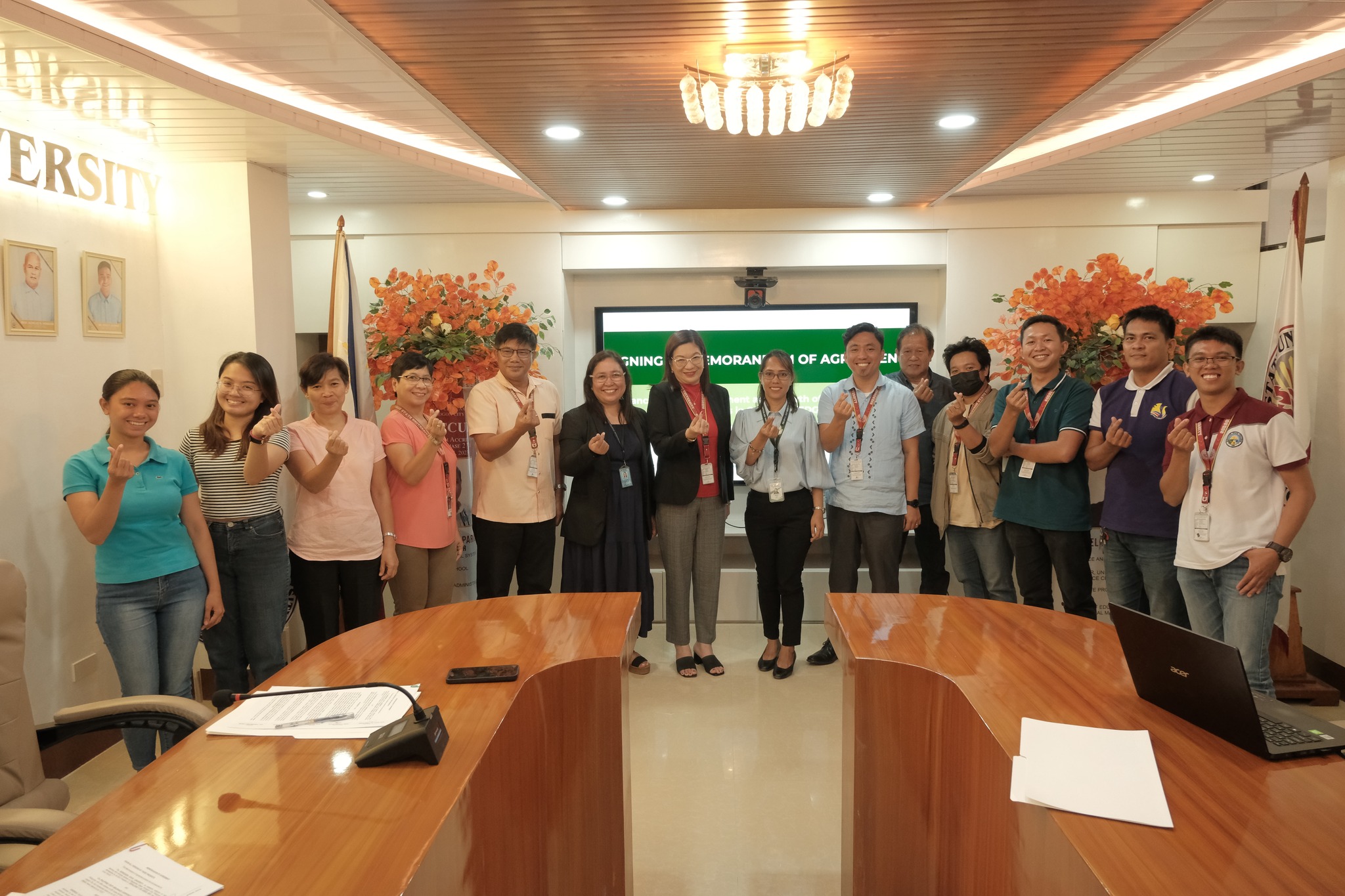
SDG 17 – Partnership for the Goals
Strengthening Partnerships for Sustainable Development (SDG 17)
Sorsogon State University (SorSU) upholds the spirit of collaboration, inclusivity, and shared growth in advancing the United Nations Sustainable Development Goals (SDGs). Guided by its commitment to research, innovation, and social responsibility, SorSU continuously forges partnerships with government agencies, international institutions, industries, and local communities to promote sustainable, evidence-based solutions to global and regional challenges. Through dynamic linkages, joint research projects, and multi-stakeholder engagement, SorSU ensures that development initiatives—whether in education, environment, technology, or social equity—are anchored on collaboration and mutual benefit.
Research and Knowledge Partnerships
SorSU fosters inter-institutional collaborations to strengthen the exchange of knowledge, promote innovation, and produce research that advances sustainability. Key collaborative studies include:
“Exploring Faculty Profile and Technology Transfer Initiatives of a Newly-Instated State University in the Philippines” – conducted with local and regional partners to enhance innovation and institutional capacity.
“Seaweed Crop Insurance in Sorsogon” and related marine studies—developed in coordination with national research councils and government units—support both SDG 14 (Life Below Water) and SDG 17 (Partnerships) through applied scientific cooperation.
“Exploring the Sobre Vote-Buying in Rural Villages: The Lived Experiences of Poor Voters in the Philippines”—a policy-focused research contributing to inclusive governance and economic empowerment.
These projects represent SorSU’s active participation in multi-disciplinary research networks, where data sharing, policy translation, and collaborative fieldwork drive localized but globally relevant impact.
Partnerships with Government, NGOs, and Industry
SorSU has formalized numerous Memoranda of Agreement (MOAs) and Memoranda of Understanding (MOUs) to implement collaborative initiatives addressing key development priorities.
Among the University’s most impactful partnerships are:
DENR Region V – joint projects on environmental conservation, access and benefit sharing, and biodiversity management.
DTI Sorsogon and Shared Service Facilities (SSF) Program – for technology transfer, local entrepreneurship, and industrial innovation.
TESDA and Local Government Units (LGUs) – for community-based skills training and workforce development.
Angat Pinas Inc. – for the establishment of the Angat Buhay Dormitory for Girls at SorSU Castilla Campus, providing inclusive housing for female students.
These engagements demonstrate how the University acts as both an academic hub and development catalyst, bridging sectors to achieve social equity and sustainable economic growth.
International Collaboration and Academic Linkages
SorSU’s internationalization agenda reinforces its global network for knowledge co-creation and cultural exchange. Through its International Relations Office (IRO), the University has established bilateral partnerships and academic exchanges that support research, faculty mobility, and student development.
Notable partnerships include:
Kurihara Gakuen Group – Beyondia International (Japan) for student teaching and training mobility programs.
Dagam Farm and agricultural institutions in South Korea for sustainable agriculture and food security research.
Kochi University (Japan) for exploratory collaboration on marine and aquatic research initiatives, aligning with both SDG 14 (Life Below Water) and SDG 15 (Life on Land).
Small Enterprises Research and Development Foundation (SERDEF) for entrepreneurship and capacity-building initiatives.
Through these partnerships, SorSU enhances its global visibility and integrates international best practices into its teaching, research, and community programs—bridging local innovation with global development frameworks.
Multi-Sector Collaboration and Policy Engagement
SorSU actively engages with multi-sectoral councils, steering committees, and research consortiums that link academia, government, and industry for evidence-based policy formulation. By participating in initiatives such as the Provincial Development Council and regional research consortia, SorSU contributes to the design of local policies on climate resilience, poverty alleviation, and economic development. The University’s policy briefs—such as “Marine Plastic Pollution: Occurrence of Microplastic in Sorsogon Bay” and “Micro-Enterprise Resilience in Coastal Communities”—illustrate how academic output is translated into actionable policy recommendations shared with local decision-makers and advocacy groups.
Community-Centered Partnership Programs
SorSU’s extension projects embody its philosophy that sustainable development must be people-centered and partnership-driven. Projects such as Project FISHNET, Project L.I.F.T., and Project ACCESS extend the University’s expertise to cooperatives, farmers, and MSMEs through mentorship, training, and technology transfer. Similarly, collaborations with LGUs on mangrove reforestation, watershed management, and livelihood initiatives demonstrate how the University aligns academic research with real-world community impact. By engaging students, faculty, and stakeholders in these programs, SorSU ensures that partnerships are not transactional but transformational—rooted in shared responsibility for sustainable change.
Transparency, Inclusion, and Knowledge Sharing
As part of its governance practice, SorSU maintains a policy of open access to institutional data, research outputs, and public reports. Publications, MOA updates, and SDG-aligned performance metrics are made publicly available through the SorSU website and SDG portal (sorsu.edu.ph/sdg) ensuring accountability and accessibility. Through this commitment, the University fosters an environment of knowledge democratization, where collaborative learning fuels innovation, and transparency builds trust across partners.
Sorsogon State University’s partnerships—local, national, and international—serve as the foundation of its impact in achieving the SDGs. By linking research, education, policy engagement, and community action, SorSU transforms collaboration into concrete outcomes that benefit both people and the planet. Through these efforts, SorSU not only contributes to SDG 17: Partnerships for the Goals, but also strengthens its role as a regional model for inclusive, sustainable, and globally connected development.
(More data available at https://sorsu.edu.ph/sdg-17-partnership-for-the-goals/)
Data set for SDG 17 – Partnership for the Goals
Research into partnership for the goals
– Exploring faculty profile and technology transfer initiatives of a newly-instated state university in the Philippines
– Integrated Science, Technology, Engineering, and Mathematics – Problem-Based Learning – Education for Sustainable Development (I-STEM-PBL-ESD) Framework (Multi-stakeholder framework for ESD)
– New record of Gracilaria phuquocensis (Gracilariaceae, Rhodophyta) in the Philippines
Relationships to support the goals
Relationships with regional NGOs and government for SDG policy
Local Partnerships:
SDG 1 – No Poverty (Local Partnerships)
– SSC DTI Business Education on Accounting: Training for SMMEs (BEATS) Program MOA
SDG 2 – Zero Hunger (Local Partnerships)
– Partnership with the International Cross-Cultural Exchange and Professional Development (ICEPD), Thailand for academic cooperation purposes on Agri-FIsheries, Engineering, Social Sciences, and Technology
– Partnership with the Department of Agriculture Regional Field Office V (DA-RFO 5) for the implementation of Massive Seedling Production and Distribution under Bayanihan II Establishment of Sorsogon Pili Nursery Center at Sorsogon State College – Castilla Campus
– Project Livelihood Initiatives on Food and Technology (LIFT) Program
– Office of the Provincial Agriculturist of Sorsogon (OPAG) and Castilla Campus High Value Crops Development Program
– Office of the Provincial Agriculturist of Sorsogon (OPAG) and Castilla Campus Vegetable Nursery
– Office of the Research, Extension and Training Office MOA with partner institutions on the Sorsogon Pili Roadmap Program
SDG 3 – Good Health and Well being (Local Partnerships)
– BIRTWAL BAYLE: Bringing an Active Youthful Lifestyle for Everyone: An Online Fitness Promotion Activity
– Partnership with the Local Government Unit and LIGA ng mga Barangay MATNOG, Sorsogon
SDG 4 – Quality Education (Local Partnerships)
– Partnership with Abuyog National High School for Research Building
– Partnership with Action for Economic Reforms (AER) for Technical Support Partnership on Data-Driven Development
– Partnership with the DepEd Sorsogon City for Foreign Language Education of SorSU Nihongo Extension Program
– Partnership with the Department of Education (DepEd) Sorsogon Province Division for Teacher Education Community-Based Activities for Research and Extension Services (TED-CARES) Program
– Partnership with the Department of Education (DepEd) Sorsogon Province Division for PROJECT CHampioning Inclusion for Learners with Disabilities (CHILD) Program
– Partnership with the Department of Education (DepEd) Sorsogon Province Division for Project COVID-19 Pandemic Unlocking Resiliency and Adversity Quotient Guide for Empowerment (COURAGE) Program
– Partnership with the Department of Education (DepEd) Sorsogon Province Division for Project Web-based Research Initiatives for Teacher Empowerment (WRITE) Program
– Partnership with the Department of Education (DepEd) Division of Sorsogon for the Mindful Change: A Capacity Training program for Education
– Partnership with the Department of Social Welfare and Development, Regional Rehabilitation Center for Youth (DSWD-RRCY)
– Partnership with Dr. Edo Andriesse of the Department of Geography, College of Social Sciences of Seoul National University for Research Development Programs
– Partnership with the Department of Education (DepEd) Sorsogon Province Division for Project LOTUS
– Partnership with the Department of Education (DepEd) Sorsogon City Division for Project LOTUS
– Partnership with the Department of Education (DepEd) Sorsogon Division for the Capacity Building for Educational Action Research and Innovation
– Partnership with the Integrated Institute of Electrical Engineers – Sorsogon Chapter for Academic and Research activities
– Partnership with the Pambayang Pederasyon ng mga Sangguiniang Kabataan ng Bulan for the academic related programs
– Pag-uunawaan sa pagitan ng Komisyon sa Wikang Filipino at Sentro ng Wika at Kultura (SWK) ng Sorsogon State University
– Partnership with Saint Louise De Marillac School of Bulan, Inc. for Information and Communication Technology activity
– Partnership with Sorsogon Pilot Elementary School for research and development purposes
SDG 6 – Clean Water and Sanitation (Local Partnerships)
– Partnership with DepEd for the Water Awareness Towards Environmental Responsibility (W.A.T.E.R.) in the Municipality of Bulan, Sorsogon Project
SDG 8 – Decent Work and Economic Growth (Local Partnerships)
– Partnership with the Department of Social Welfare and Development, Regional Rehabilitation Center for Youth (DSWD-RRCY)
– Partnership with the Local Government Unit and LIGA ng mga Barangay MATNOG, Sorsogon
– Partnership with Brgy. Luna Candol for the Livelihood Skills Training – Sewing for the Home
– SSC DTI Business Education on Accounting: Training for SMMEs (BEATS) Program MOA
SDG 9 – Industry Innovation and Infrastructure (Local Partnerships)
– Partnership with the Department of Social Welfare and Development, Regional Rehabilitation Center for Youth (DSWD-RRCY)
– Partnership with the Department of Trade and Industry (DTI) – Regional Office V for the Shared Service Facilities (SSF) Project
– Partnership with the Department of Trade and Industry (DTI) – Regional Office V (Usufruct Agreement) on the Shared Service Facilities (SSF) Project
SDG 10 – Reduced Inequalities (Local Partnerships)
– Partnership with the Department of Social Welfare and Development, Regional Rehabilitation Center for Youth (DSWD-RRCY)
– Partnership with the Department of Education (DepEd) Sorsogon Province Division for PROJECT CHampioning Inclusion for Learners with Disabilities (CHILD) Program
SDG 11 – Sustainable Cities and Communities (Local Partnerships)
– Office of the Research, Extension and Training Office MOA with partner institutions on the Sorsogon Pili Roadmap Program
SDG 13 – Climate Action (Local Partnerships)
– Partnership with the Bureau of Fire Protection (BFP) for the Article I. Community Based Emergency Alert Tracking System with Long Range (LoRa) Transceiver
– Partnership with Bicol University College of Agriculture and Forestry (BU-CAF) for the establishment of Conservation Farming Village
– Partnership with the Bureau of Fire Protection (BFP) and Barangay Buhatan for the Article I. Community Based Emergency Alert Tracking System with Long Range (LoRa) Transceiver
– Partnership with the City Local Government Unit of Sorsogon for Disaster Risk Reduction and Management and Climate Change Office programs and implementing policies for efficient disaster risk response
– Partnership with the Department of Science and Technology – Philippine Council for Agriculture, Aquatic and Natural Resources Research and Development (DOST-PCAARRD) for the implementation of S&T Based Rehabilitation of Damages Causes by Super Typhoon Rolly in Camarines Norte, Masbate and Sorsogon project
SDG 14 – Life Below Water (Local Partnerships)
– Partnership with the DOST-PCAARRD through its Socio-Economics Research Division for the project titled Enhancing the Development and Growth of Seaweed based Enterprises in Sorsogon (EDGES)
– Partnership with the International Cross-Cultural Exchange and Professional Development (ICEPD), Thailand for academic cooperation purposes on Agri-FIsheries, Engineering, Social Sciences, and Technology
– Partnership with the Bureau of Fisheries and Aquatic Resources – National Seaweed Technology Development Center for the Project EDGES (Enhancing the Development and Growth of Seaweed based Enterprises in Sorsogon)
– Partnership with the Philippine Crop Insurance Corporation for the capacity-building, livelihood skills trainings, cooperative formation, and other relevant technical assistance and research projects for Project EDGES
– Partnership with the Department of Environment and Natural Resources Provincial Environment and Natural Resources Office (DENR-PENRO) for the Project HOPE (Harness, Optimize and Protect the Environment): A Mangrove planting reinforcement in the Province of Sorsogon
SDG 15 – Life On Land (Local Partnerships)
– Partnership with the Department of Agriculture Regional Field Office V (DA-RFO 5) for the implementation of Massive Seedling Production and Distribution under Bayanihan II Establishment of Sorsogon Pili Nursery Center at Sorsogon State College – Castilla Campus
– Office of the Provincial Agriculturist of Sorsogon (OPAG) and Castilla Campus High Value Crops Development Program
– Office of the Provincial Agriculturist of Sorsogon (OPAG) and Castilla Campus Vegetable Nursery
– Office of the Research, Extension and Training Office MOA with partner institutions on the Sorsogon Pili Roadmap Program
SDG 16 – Peace, Justice and Strong Constitutions (Local Partnerships)
– Partnership with the Philippine National Police Sorsogon City for the project titled “Article I. Community-Based Emergency Alert Tracking System With Long Range (LoRa) Transceiver
Extension Programs per SDG
SDG 1 – No Poverty (Extension Programs)
1. Department of Trade and Industry – SSC/DTI Business Education on Accounting: Training for SMMEs (BEATS) Program
2. Sustainable Agri- Fisheries and Natural Resources
2. a. Massive Seedling Production & Distribution under bayanihan II: Establishment of Sorsogon Pili Nursery
2. b. Establishment of Vegetable Nursery
2. c. Establishment of Poultry Multiplier ( Native Chicken ) Breed Farm
SDG 2 – Zero Hunger (Extension Programs)
1. International Cross-Cultural Exchange and Professional Development, Thailand – ICEPD Projects/Programs
2. Buhatan Nipa Food Production Workers Association – Livelihood Initiatives on Food and Technology (LIFT) Program
3. Office of the Provincial Agriculturist of Sorsogon – Establishment of Vegetable Nursery
4. Department of Agriculture – ROV – Massive Seedling Production and Distribution Under Bayanihan II: Establishment of Sorsogon Pill Nursery Center at Sorsogon State College-Castilla Campus as Early Intervention to PIii Production Forecasting
5. Department of Science and Technology Department of Environment and Natural Resources National Commission on Indigenous People Department of Labor and Employment Sorsogon Pili Producer’s Coop Department of Trade and Industry – ROV Department of Agriculture Local Government Unit – Sorsogon City – Pili Road Map Program
SDG 3 – Good Health and Well-Being (Extension Programs)
1. LGU Barangay San Isidro – Teacher Education Community Based Advocacies for Research and Extension Services
2. Liga ng mga Barangay Matnog – OSH for Public Sector Orientation Series for Barangay Officials BHERT, Tanods and Business Sector of Matnog, Sorsogon
3. Health and Wellnes – Program SYNAPSE: Synergistic Yields Network for Advancing Public Health & Scientific Expertise
4. Fitness and Cultural Promotion – Project Birtuwal BAYLE (Bringing an Active & Youthful Lifestyle for Everyone)
5. Project Courage ( Covid 19 Unlocking Resiliency Advocacy
SDG 4 – Quality Education (Extension Programs)
1. Komisyon sa Wikang Filipino: Sentro ng Wika at Kultura
2. DepEd Division of Sorsogon:
2. a. Capacity Building for Educational Action Research and Innovation
2. b. Mindful Change: A Capability Training Program for Education 4.0
2. c. Project Lotus (Localized Tutorial Services)
2. d. Project WRITE (Web-based Research Initiatives for Teacher Empowerment)
2. e. Project COURAGE (Covid-19 Pandemic Unlocking Resiliency and Adversity Quotient Guide for Empowerment): A Mental Health and Psychosocial Advocacy for Teachers in Sorsogon
2. f. Project CHILD (Championing Inlcusion for Leaners with Disabilities)
2. g. MindfulChange_2020 (A Capability Training Program for Education)
3. DepED Provincial
3. a. TED-CARES (Teacher Education Community-based Activities for Research and Extension Services)
3. b. Project WRITE (Web-based Research Initiatives for Teacher Empowerment)
3. c. Project Lotus (Localized Tutorial Services)
4. Seoul National University – Dr. Edo Andriesse
5. Sorsogon Pilot Elementary School – Building Research Empowerment Among Basic Education Teachers
6. Department of Social Welfare and Development – “Padagod Tindog Kabataan- Skills Training to DSWD-RRCY”
7. Integrated Insititute of Electrical Engineers- Sorsogon Chapter (IIEE – SC) – Tabang Sorgoguenos
8. The Pambayang Pederasyon ng mga Sangguniang Kabataan ng Bulan – Project Padayon: A Leadership Capability – Building for Bulan
9. Saint Louise De Marillac School of Bulan. INC. – Online Learning Management System
10. Education, Curriculum and Instruction
10. a. Project OLEAD: Online Leading Educational Institution towards Alternative Delivery of Learning through Online Platform
10. b. Project Driven: Redifining ICT Capabilities for creative side of Technology
10. c. Project Techrevive
10. d. Project CAPTIVATE
11. Education for STEAM and HUMSS Smart Analytics, Architecture and Engineering Innovation – Project CAPTIVATE
12. Education for STEAM and HUMMS
12. a. 4ks: Interbensyon sa pagbasang lubusang may pag unawa sa mga mag-aaral ng San Vicente Elementary School
12. b. Project HATE: Marine Plastic Pollution ( Headway towards Awareness on Trends and research Experiences in Marine Plastic Pollution )
12. c. Padagos Tindog Kabataan Skills Training to DSWD-RRCY Community
12. d. Program SYNAPSE: Synergistic Yields Network for Advancing Public Health & Scientific Expertise
13. Language and Culture – SSC Nihongo Extension Program for Senior HS in Sorsogon
14. Education and Research
14. a. Project WRITE ( Web-based Research Initiatives for Teacher Empowerment)
14. b. Project CHILD ( Championing Inclusion for Learners with Disabilities)
15. Education, Curriculum and Instruction
15. a Capacity Building on Kotobee Software and utilization of ESelfieMO: Electronic Self- directed Interactive Module in Earth Science
15. b. GAME: Capacity Building and Utilization of Game-Based Activities as Teaching Pedagogy in Science Education
16. Education for STEAM and HUMMS – Project SYNAPSE: Synergistic Yields Network for Advancing Public Health & Scientific Expertise
SDG 5 – Gender Equality (Extension Programs)
1. Gender, Ethnic Equity and Empowerment: Padagos Tindog Kabataan Skills Training to DSWD-RRCY Community
2. Gender Ethnic Equity and Empowerment (GEEE): Tabang para sa Sorsoguenos with IIEE- Sorsogon Chapter
SDG 6 – Clean Water and Sanitation (Extension Programs)
Graduate School MOA – Water Awareness Towards Environmental Responsibility (W.A.T.E.R) in the Municipality of Bulan, Sorsogon
SDG 7 – Affordable and Clean Energy (Extension Programs)
1. Natural Energy and Biodiversity Conservation: Project HATE: Marine Plastic Pollution ( Headway towards Awareness on Trends and research Experiences in Marine Plastic Pollution )
2. Natural Energy and Biodiersity Conservation: PMSEA: Reducing Marine Plastics in the East Asia Region
3. Natural Energy and Biodiversity Conservation: PROJECT HATE: Marine Plastic Pollution(Headway towards Awareness on Trends and research Experiences in Marine Plastic Pollution)
SDG 8 – Decent Work and Economic Growth (Extension Programs)
1. DSWD-RRCY: Padagos Tindog Kabataan Skills Training to DSWD-RRCY
2. Liga ng mga Barangay Matnog: OSH for Public Sector Orientation Series for Barangay Officials, Bhert Members, Tanods and Business Sector of Matnog, Sorsogon
3. Luna Candol Livelihood Skills: Livelihood Skills Training – Sewing for the Home
4. SSC DTI BEATS MOA- SSC/DTI Business Education on Accounting: Training for SMMEs (SSC/ DTI – BEATS) Program
5. Socio- Cultural, Political, Economic and Tourism Development
5. a. Grow Negosyo: A financial & business management training & mentoring programs for MSMES in Sorsogon
5. b. San Bernardino Islands Tourism & Development
5. c. EDGES: Enhancing the Development and Growth of Seaweeds-based Enterprise on Sorsogon
5. d. NegosyanTEK
5. e. Project ACCESS
6. Business Entrepreneurship
6. a. Project LIFT: Livelihood Initiative on Food and Technology
SDG 9 – Industry Innovation and Infrastructure (Extension Programs)
1. DSWD – RRCY – Padagos Tindong Kabataan – Skills Training to DSWD – RRCY
2. DTI – SSF _ FABLAB_ 2022: Augmentation of Sorsogon Peoples’ Initiative to Leverage Innovation Fabrication Laboratory ( Sorsogon PILI FabLab ) at Sorsogon State University
3. DTI-SSF_FABLAB_UsufrucAg_2022 – Shared Service Facilities (SSF) Project
4. Engineering, Innovation, Science and Technology:
4. a. Project OLEAD: Online leading educational institution towards alternative delivery of learning through Online platform
4. b. Project Driven: Redefining ICT Capabilities for creative side of Technology
4. c. Project Techrevive
5. Smarts Analytics, Architecture and Engineering Innovations
5. a. Project EX3CEL (TECHPRO): Empowerment of its employees through the enhancement of computer literacy skills
5. b. Project CAPTIVATE
6. Engineering Innovations -Project CAPTIVATE
7. Smart Analytics, Architecture and Engineering Innovation
7. a. Padagos Tindog Kabataan Skills Training to DSWD-RRCY Community
7. b. Development of IMAProMDI Information System
8. Engineering, Science and Technology: Community- Based Emergency Alert Tracking System with Long Range (LORA) Transmitter
SDG 10 – Reduced Inequalities (Extension Programs)
1. DSWD- RRCY – Padagos Tindog Kabataan Skills Training to DSWD – RRCY
2. MOA – Project Child ( Championing Inclusion for Learners with Disabilities)
SDG 11 – Sustainable Cities and Communities (Extension Programs)
1. ORDES MOA – An Ordinance Institutionalizing, Promoting, and Developing the Pili Industry in Sorsogon, Providing Funds Therefor and other Purposes
2. Engineering, Science and Technology – OSH for Public Sector Orientation for Brgy. Officials, BHERT members, Tanods & Business Sector of Matnog, Sorsogon
3. Disaster Risk Reduction Management (DRRM) and Climate Change Adaption: Community Based Emergency Alert Tracking System with Long Range (LORA) Transmitter
4. Disaster Risk Reduction- Climate Change Adaption:
4. a. Tabang para sa Sorsoguenos with IIEE Sorsogon Chapter
4. b. Padagos Tindog Kabataan Skills Training to DSWD-RRCY Community
5. Project HATE: Marine Plastic Pollution (Headway towards Awareness on Trends and research Experiences in Marine Plastic Pollution: Sustainable Agri-Fisheries and Natural Resource)
6. Modernized Food Production and Safety: Lupa at Mataba, Para Ani’y Sagana ( LAMPAS )
7. Sustainable Agri-Fisheries and Natural Resources:
7. a. Establishment of Poultry Multiplier (Native Chicken) Breeder Farm
7. b. Establishment of Vegetable Nursery
7. c. Massive Seedling Production & Distribution under bayanihan II: Establishment of Sorsogon Pili Nursery
SDG 13 – Climate Action (Extension Programs)
1. Bureau of Fire Protection in the province of Sorsogon, Philippines: Article I. Community- Based Emergency Alert Tracking System with Long Range (LoRa) Transceiver
2. BUCAF- S&T TYPHOON ROLLY: Enhancing Bicol HERRC’s RD&E Management, Innovation and Technology Rollout Capabilities
3. LGU- BUHATAN-LORA: Article I. Community- Based Emergency Alert Tracking System with Long Range (LoRa) Transceiver
4. LGU-DRRMO: Agreement between LGU and DRMMO
5. PCAARRD-S&T Typhoon Rolly: S&T Based Rehabilitation of Damages Caused by Super Typhoon Rolly in Camarines Norte, Masbate, and Sorsogon
6. Disaster Risk Reduction Management (DRRM) and Climate Change Adaption: Community Based Emergency Alert Tracking System with Long Range (LORA) Transmitter
SDG 14 – Life Below Water (Extension Programs)
1. Enhancing the Development and Growth of Seaweed-based Enterprises in Sorsogon
2. International Cross Cultural Exchange and Professional Development Thailand
3. Project Edges ( Enhancing the Development and Growth of Seaweed-based Enterprises in Sorsogon )
4. Enhancing the Development and Growth of Seaweed-based Enterprises in Sorsogon (Project EDGES)
5. PENRO-HOPE: Project Hope ( Harness, Optimize and Protect the Environment): A Mangrove planting reinforcement in the Province of Sorsogon
6. Environmental Awareness and Protection: Project HOPE ( Harness, Optimize, and Protect the Environment)
SDG 15 – Life On Land (Extension Programs)
1. Massive Seedling Production and Distribution under Bayanihan: Massive Seedling Production and Distribution Under Bayanihan II: Establishment of Sorsogon Pili Nursery Center at Sorsogon State College Castilla Campus as Early Intervention to Pili Production Forecasting
2. OPAG- Castilla: Establishment of Vegetable Nursery
3. OPAG-VEG Nursery: Establishment of Vegetable Nursery
4. ORDES MOA: An Ordinance Institutionalizing, Promoting, and Developing The Pili Industry in Sorsogon, Providing Funds Therefor and for other purposes
SDG 16 – Peace, Justice and Strong Constitutions (Extension Programs)
1. PNP-LORA: Community Based Emergency Response Extension Project
International Partnerships
1. Phylogeny and genetic diversity of the Philippine eucheumatoid genus Mimica (Solieriaceae, Rhodophyta), and the proposal for Kappaphycopsis gen. nov. to include the anomalous species of Kappaphycus, K. cottonii
Richard V. Dumilag & Giuseppe C. Zuccarello (2022) Phylogeny and genetic diversity of the Philippine eucheumatoid genus Mimica (Solieriaceae, Rhodophyta), and the proposal for Kappaphycopsis gen. nov. to include the anomalous species of Kappaphycus, K. cottonii, Phycologia, 61:5, 496-503, DOI: 10.1080/00318884.2022.2079283
2. Phylogenetic Study of Sargassum polycystum (Sargassaceae, Ochrophyta) in Eastern Samar, Philippines Based on the Nuclear rDNA Sequences
Dumilag, Richard & Yap-Dejeto, Leni & Fabillo, Melodina & Sison-Mangus, Marilou. (2022). Phylogenetic Study of Sargassum polycystum (Sargassaceae, Ochrophyta) in Eastern Samar, Philippines Based on the Nuclear rDNA Sequences. Philippine Journal of Science. 151. 255-260. 10.56899/151.S1.17.
3. Genetic diversity of Kappaphycus malesianus (Solieriaceae, Rhodophyta) from the Philippines
Dumilag, Richard & Crisostomo, Bea & Aguinaldo, Zae-Zae & Lluisma, Arturo & Gachon, Claire & Roleda, Michael. (2023). Genetic diversity of Kappaphycus malesianus (Solieriaceae, Rhodophyta) from the Philippines. Aquatic Botany. 187. 103649. 10.1016/j.aquabot.2023.103649.
4. The Diversity of Eucheumatoid Seaweed Cultivars in the Philippines
Richard V. Dumilag, Bea A. Crisostomo, Zae-Zae A. Aguinaldo, Lourie Ann R. Hinaloc, Lawrence M. Liao, Hilly Ann Roa-Quiaoit, Floredel Dangan-Galon, Giuseppe C. Zuccarello, Marie-Laure Guillemin, Juliet Brodie, Elizabeth J. Cottier-Cook & Michael Y. Roleda (2023) The Diversity of Eucheumatoid Seaweed Cultivars in the Philippines, Reviews in Fisheries Science & Aquaculture, 31:1, 47-65, DOI: 10.1080/23308249.2022.2060038
5. New record of Gracilaria phuquocensis (Gracilariaceae, Rhodophyta) in the Philippines
Dumilag RV, Liao LM, Kato A, Brodie J, Muangmai N (2024) New record of Gracilaria phuquocensis (Gracilariaceae, Rhodophyta) in the Philippines. PhytoKeys 241:169–176. https://doi.org/10.3897/phytokeys.241.123302
6. Seaweed diversification driven by Taiwan’s emergence and the Kuroshio Current: insights from the cryptic diversity and phylogeography of Dichotomaria (Galaxauraceae, Rhodophyta)
Fontana S, Wang W-L, Tseng K-Y, Draisma SGA, Dumilag RV, Hu Z-M, Li J-J, Lai P-H, Mattio L, Sherwood AR, Boo SM and Liu S-L (2024) Seaweed diversification driven by Taiwan’s emergence and the Kuroshio Current: insights from the cryptic diversity and phylogeography of Dichotomaria (Galaxauraceae, Rhodophyta). Front. Ecol. Evol. 12:1346199. doi: 10.3389/fevo.2024.1346199
Cross sectoral dialogue about SDGs
1. SorSU faculty participation in the workshop on consolidating the taxonomy framework of eucheumatoid seaweeds and the code of nomenclature for cultivated algae in Malaysia
2. SorSU faculty participation in the 2nd International Conference on Climate Change Adaptation and Disaster Risk Reduction Management, benchmarks at Chulalongkorn University-Graduate School & Asian Institute of Technology
3. 1st Southeast Asian Multidisciplinary Research Expo and Extension Conference (SEAMREEC) 2023
4. SorSU faculty participation in the cross-border visits to higher education institutions (HEIs) in Southeast Asian Ministers of Education Organization (SEAMEO) member countries
5. SorSU President De Jesus participation in the Education for Sustainable Development (ESD) for the 2030 Regional Meeting on Transforming the Futures of Education at Sunway University, Malaysia
6. Celebrating 2025 Joint Int’l Decade of Indigenous Languages & International Mother Language Day Conference
7. 2nd Southeast Asian Multidisciplinary Research Expo and Extension Conference (SEAMREEC) 2025
8. SorSU Strengthens Global Ties Through International Dialogue on Phycology
9. SUC President III Dr. Geraldine F. De Jesus Visits Philippine Consulate General in Istanbul Ahead of Global Sustainable Development Congress 2025
International collaboration data gathering for SDG
1. RDE Collaboration with Edo Andriesse of Seoul National University
2. RDE Collaboration with Lawrence Liao of Hiroshima University
3. RDE and Academic Collaboration with Singapore Institute of Engineering Technologists
4. RDE Collaboration with Pinoy Reading Buddies, Inc.
5. RDE Collaboration with Sociopreneur Indonesia
6. RDE Collaboration with University of California Los Angeles
7. RDE Collaboration with PEMSEA
8. RDE Collaboration with Khayah International
9. Phylogeny and genetic diversity of the Philippine eucheumatoid genus Mimica (Solieriaceae, Rhodophyta), and the proposal for Kappaphycopsis gen. nov. to include the anomalous species of Kappaphycus, K. cottonii
10. Phylogenetic Study of Sargassum polycystum (Sargassaceae, Ochrophyta) in Eastern Samar, Philippines Based on the Nuclear rDNA Sequences
11. Genetic diversity of Kappaphycus malesianus (Solieriaceae, Rhodophyta) from the Philippines
12. The Diversity of Eucheumatoid Seaweed Cultivars in the Philippines
13. New record of Gracilaria phuquocensis (Gracilariaceae, Rhodophyta) in the Philippines
14. Seaweed diversification driven by Taiwan’s emergence and the Kuroshio Current: insights from the cryptic diversity and phylogeography of Dichotomaria (Galaxauraceae, Rhodophyta)
Collaboration for SDG best practice
1. RDE Collaboration with Edo Andriesse of Seoul National University
2. RDE Collaboration with Lawrence Liao of Hiroshima University
3. RDE and Academic Collaboration with Singapore Institute of Engineering Technologists
4. RDE Collaboration with Pinoy Reading Buddies, Inc.
5. RDE Collaboration with Sociopreneur Indonesia
6. RDE Collaboration with University of California Los Angeles
7. RDE Collaboration with PEMSEA
8. RDE Collaboration with Khayah International
9. Phylogeny and genetic diversity of the Philippine eucheumatoid genus Mimica (Solieriaceae, Rhodophyta), and the proposal for Kappaphycopsis gen. nov. to include the anomalous species of Kappaphycus, K. cottonii
10. Phylogenetic Study of Sargassum polycystum (Sargassaceae, Ochrophyta) in Eastern Samar, Philippines Based on the Nuclear rDNA Sequences
11. Genetic diversity of Kappaphycus malesianus (Solieriaceae, Rhodophyta) from the Philippines
12. The Diversity of Eucheumatoid Seaweed Cultivars in the Philippines
13. New record of Gracilaria phuquocensis (Gracilariaceae, Rhodophyta) in the Philippines
14. Seaweed diversification driven by Taiwan’s emergence and the Kuroshio Current: insights from the cryptic diversity and phylogeography of Dichotomaria (Galaxauraceae, Rhodophyta)
Collaboration with NGOs for SDGs
Student volunteering programmes
1. 4Ks Kaagapay sa Karunungan – Interbensyon sa Pagbasang Lubusang may Pang-unawa sa mga Mag-aaral ng San Vicente
2. 4Ks KAAGAPAY SA KARUNUNGAN Proposal
3. With Khayah International – SorSU, NSTP, Khayah International, and Community Volunteers Unite for Tree Planting Drive in Brgy. Buhatan to Promote Climate Action
Research Programmes
1. Research Partnership with PEMSEA – Partnerships in Environmental Management for the Seas of East Asia
Publication of SDG reports
SDG 1 – NO POVERTY
Publish progress against against SDG1, either individually or within an annual report:
1. Exploring the Sobre Vote-Buying in Rural Villages: The Live Experiences of Poor Voters in the Philippines
2. Southeast Asian Ministers of Education Organization (SEAMEO) Schools’ Network 2022 Membership Certificate
3. RDE Collaboration with Sociopreneur Indonesia
SDG 2 – ZERO HUNGER
Publish progress against against SDG2, either individually or within an annual report
1. A Framework to Assess Solar PV Irrigation System (SPIS) for Sustainable Rice Farming in Sorsogon, Philippines
2. Towards the Preparation of Modified Hyflex Learning Scheme: The Case of University Agriculture Courses in the Philippines
SDG 3 – GOOD HEALTH AND WELL BEING
Publish progress against against SDG3, either individually or within an annual report
1. Effect of Tabata resistance training program on body capacities and 50m sprint performance of intermediate swimmers
2. The Effect of 16-Week Progressive Circuit Training Program on the Health and Skill-Related Fitness Parameters of Overweight University Students
3. Exploring Clinical Practice Education for Student Midwives: Hospital and Community Opportunities and Challenges
SDG 4 – QUALITY EDUCATION
Publish progress against against SDG4, either individually or within an annual report
1. Exploring faculty profile and technology transfer initiatives of a newly-instated state university in the Philippines
2. Effects of Game-Based Activities on Student’s Social Skills and Attitudes Toward Learning Science (Student’s Social Skills and Attitudes Towards Learning Science Using Game-based Activities)
3. The Social Support Systems and Needs of Private SHS Teachers in Writing Research
4. Digital Badges as Rewards in Science Education: Students’ Perceptions and Experiences
5. Exploring Clinical Practice Education for Student Midwives: Hospital and Community Opportunities and Challenges
6. Integrated Science, Technology, Engineering, and Mathematics – Problem-Based Learning – Education for Sustainable Development (I-STEM-PBL-ESD) Framework
7. Crossing Boundaries: How Maranao Children in Sorsogon City Negotiate Their Cultural Identity through Situated Language Use and Discourse Practices
8. Correlating Reasons for Student Dropouts and Socioeconomic Factors at a State University from a Rural Province in the Philippine
9. Towards the Preparation of Modified Hyflex Learning Scheme: The Case of University Agriculture Courses in the Philippines
SDG 5 – GENDER AND DEVELOPMENT
Publish progress against against SDG5, either individually or within an annual report
1. Exploring Clinical Practice Education for Student Midwives: Hospital and Community Opportunities and Challenges (Focus on a female-dominated health profession)
SDG 6 – CLEAN WATER AND SANITATION
Publish progress against against SDG6, either individually or within an annual report
1. Projecting Hydrological Response to Climate Change And Urbanization Using Weap Model: A Case Study For The Main Watersheds Of Bicol River Basin, Philippines
2. Water Evaluation and Planning Modeling into Integrated Water Resource Management: Assessing Climate Change Impacts on Future Surface Water Supply in the Irawan Watershed of Puerto Princesa, Philippines
SDG 7 – AFFORDABLE AND CLEAN ENERGY
Publish progress against against SDG7, either individually or within an annual report
1. A Framework to Assess Solar PV Irrigation System (SPIS) for Sustainable Rice Farming in Sorsogon, Philippines
SDG 8 – DECENT WORK AND ECONOMIC GROWTH
Publish progress against against SDG8, either individually or within an annual report
1. Exploring faculty profile and technology transfer initiatives of a newly-instated state university in the Philippines
2. Seaweed crop insurance in Sorsogon
3. The Social Support Systems and Needs of Private SHS Teachers in Writing Research
4. Exploring the Sobre Vote-Buying in Rural Villages: The Live Experiences of Poor Voters in the Philippines (Linked to economic aspects of political processes)
SDG 9 – INDUSTRY, INNOVATION AND INFRASTRUCTURE
Publish progress against against SDG9, either individually or within an annual report
1. Exploring faculty profile and technology transfer initiatives of a newly-instated state university in the Philippines
2. Integrated Science, Technology, Engineering, and Mathematics – Problem-Based Learning – Education for Sustainable Development (I-STEM-PBL-ESD) Framework
3. A Framework to Assess Solar PV Irrigation System (SPIS) for Sustainable Rice Farming in Sorsogon, Philippines
4. Projecting Hydrological Response to Climate Change And Urbanization Using Weap Model: A Case Study For The Main Watersheds Of Bicol River Basin, Philippines (Infrastructure planning)
SDG 10 – REDUCED INEQUALITIES
Publish progress against against SDG10, either individually or within an annual report
1. Crossing Boundaries: How Maranao Children in Sorsogon City Negotiate Their Cultural Identity through Situated Language Use and Discourse Practices
2. Correlating Reasons for Student Dropouts and Socioeconomic Factors at a State University from a Rural Province in the Philippines (Old Title: Tracing the College dropouts amidst the free tuition law: The case of SSC-Bulan Campus)
3. Exploring the Sobre Vote-Buying in Rural Villages: The Live Experiences of Poor Voters in the Philippines
SDG 11 – SUSTAINABLE CITIES AND COMMUNITIES
Publish progress against against SDG11, either individually or within an annual report
SDG 12 – RESPONSBLE CONSUMPTION AND PRODUCTION
Publish progress against against SDG12, either individually or within an annual report
1. Selection of fast-growing seaweed cultivars in Palawan, Philippines
2. New Record of Gracilaria phuquocensis (Gracilariaceae, Rhodophyta) in the Philippines
3. Seaweed diversification driven by Taiwan’s emergence and the Kuroshio Current: insights from the cryptic diversity and phylogeography of Dichotomaria (galaxauraceae, Rhodophyta)
4. Seaweed crop insurance in Sorsogon
5. A Framework to Assess Solar PV Irrigation System (SPIS) for Sustainable Rice Farming in Sorsogon, Philippines
SDG 13 – CLIMATE ACTION
Publish progress against against SDG13, either individually or within an annual report
1. Mangrove Reforestation, Protection, and Conservation Initiatives: The Case of Sorsogon Bay Rompeolas, Philippines (Mangroves as carbon sinks and climate resilience)
2. Projecting Hydrological Response to Climate Change And Urbanization Using Weap Model: A Case Study For The Main Watersheds Of Bicol River Basin, Philippines
3. Water Evaluation and Planning Modeling into Integrated Water Resource Management: Assessing Climate Change Impacts on Future Surface Water Supply in the Irawan Watershed of Puerto Princesa, Philippines
SDG 14 – LIFE BELOW WATER
Publish progress against against SDG14, either individually or within an annual report
1. Selection of fast-growing seaweed cultivars in Palawan, Philippines
2. New record of Gracilaria phuquocensis (Gracilariaceae, Rhodophyta) in the Philippines
3. Seaweed diversification driven by Taiwan’s emergence and the Kuroshio Current: insights from the cryptic diversity and phylogeography of Dichotomaria (galaxauraceae, Rhodophyta)
4. Seaweed crop insurance in Sorsogon
5. Mangrove Reforestation, Protection, and Conservation Initiatives: The Case of Sorsogon Bay Rompeolas, Philippines (Mangroves support marine life)
SDG 15 – LIFE ON LAND
Publish progress against against SDG15, either individually or within an annual report
1. Mangrove Reforestation, Protection, and Conservation Initiatives: The Case of Sorsogon Bay Rompeolas, Philippines (Mangroves support marine life)
2. Projecting Hydrological Response to Climate Change And Urbanization Using Weap Model: A Case Study For The Main Watersheds Of Bicol River Basin, Philippines (Watershed and land management)
3. Water Evaluation and Planning Modeling into Integrated Water Resource Management: Assessing Climate Change Impacts on Future Surface Water Supply in the Irawan Watershed of Puerto Princesa, Philippines (Watershed and land management
SDG 16 – PEACE AND JUSTICE STRONG INSTUTIONS
Publish progress against against SDG16, either individually or within an annual report
1. Exploring the Sobre Vote-Buying in Rural Villages: The Live Experiences of Poor Voters in the Philippines
SDG 17 – PARTNERSHIPS FOR THE GOALS
Publish progress against against SDG17, either individually or within an annual report
1. Exploring faculty profile and technology transfer initiatives of a newly-instated state university in the Philippines
2. Integrated Science, Technology, Engineering, and Mathematics – Problem-Based Learning – Education for Sustainable Development (I-STEM-PBL-ESD) Framework (Multi-stakeholder framework for ESD)
Education for the SDGs
Education for SDGs commitment to meaningful education
1. Embracing the Future of Education: SorSU Magallanes Campus Celebrates Academic Days 2025
2. SorSU Learning Development Center: provides essential academic support, including help with writing, study skills, and subject-specific tutoring. This is particularly beneficial for students who struggle with certain subjects or need extra help to excel.
Education integrated across full curriculum
1. SorSU-Castilla Campus undergoes Faculty Seminar and Workshop
2. SorSU VPAA Memorandum No. 46, s. 2024: Emphasis of Sustainable Development Goals (SDG) in Course Syllabi
3. SorSU VPAA Memorandum No. 80, s. 2025: Revised Course Syllabi Template
Education for SDGs specific courses on sustainability
1. SorSU Curricular Offerings – https://sorsu.edu.ph/curricular-offerings/
Education for SDGs in the wider community
1. Project LOTUS – Localized Tutorial Services (The Flagship extension initiative of the College of Teacher Education of Sorsogon State University that embodies our unwavering commitment to educational equity and community empowerment.) – https://lotus.sorsu.edu.ph/
Local Community
1. 4Ks Kaagapay sa Karunungan
– 4Ks Kaagapay sa Karunungan – Interbensyon sa Pagbasang Lubusang may Pang-unawa sa mga Mag-aaral ng San Vicente
– 4Ks KAAGAPAY SA KARUNUNGAN Proposal
2. Grow Negosyo
– Partnership with the Department of Trade and Industry (DTI) for the project titled GROW NEGOSYO (A Financial and Business Management Training and Mentoring Program for MSMEs in Sorsogon
3. Basic Training on Train Law
– Project Component of GROW NEGOSYO (A Financial and Business Management Training and Mentoring Program for MSMEs in Sorsogon, the Basic Training on TRAIN LAW – Accounting For Non-Accountants, and Compliance with Registration and Reportorial Requirements (DTI, SEC, BIR & LGU)
4. Augmenting Capacities of Cooperatives and Micro, Small & Medium Enterprises for Sustainable Services (ACCESS)
5. 4K’s Plus
– 4Ks Kaagapay sa Karunungan – Interbensyon sa Pagbasang Lubusang may Pang-unawa sa mga Mag-aaral ng San Vicente
– 4Ks KAAGAPAY SA KARUNUNGAN Proposal
– Partnership with DepEd Division of Sorsogon City for the program titled Capacity Building for Educational Action Research and Innovation
– Partnership with DepEd Division of Sorsogon City, San Vicente Elementary School and Sentro ng Wika at Kultura for the project 4K’s PLUS: Interbensyon sa Pagbasang Lubusang may Pang-unawa sa mga Mag-aaral ng San Vicente
6. Padagos Tindog kaataan Skills Training
Partnership with the Department of Social Welfare and Development, Regional Rehabilitation Center for Youth (DSWD-RRCY)
– Padagos Tindog kaataan Skills Training – Accomplishment Report
– Padagos Tindog kaataan Skills Training – Project Proposal
7. TABANG PARA SA SORSOGUEÑOS
– Partnership with the Integrated Institute of Electrical Engineers – Sorsogon Chapter (IIEE-SC) for capacity enhancement activities
– TABANG SA SORSOGUEÑOS with IIEE- Sorsogon Chapter Accomplishment Report
– TABANG PARA SA SORSOGUEÑOS Project Proposal
Sustainable Literacy
– Reference to Academic Manual Article 32 and 33 pages 23 to 25
This specific part of the Academic Manual discusses the Examination and Grades (Article 32) and the Grading System (Article 33) of the University.
NEWS HIGHLIGHTS
SorSU, alongside SERDEF, leads exploratory meeting with Universiti Utara Malaysia, Sociopreneur Indonesia
SorSU, alongside SERDEF, leads exploratory meeting with Universiti Utara Malaysia, Sociopreneur Indonesia; formalizes MOU with Sociopreneur ID to enhance entrep education, social innovation programs
In another pivotal step in advancing its international academic partnerships in areas of education, research, and social engagement toward its vision of becoming a research university, Sorsogon State University (SorSU) successfully led a collaborative exploratory meeting with international institutions, Universiti Utara Malaysia (UUM) and Sociopreneur Indonesia, alongside its partner agency Small Enterprises Research and Development Inc. (SERDEF), which notably culminated with a ceremonial Memorandum of Understanding (MOU) between SorSU and Socioentrepreneur ID on November 28, 2024, at the SorSU Boardroom, Sorsogon City Campus.